

Artificial Intelligence (AI) is no longer a futuristic concept reserved for science fiction. It’s already part of our daily routines, often working quietly in the background to make life easier, faster, and more convenient. Whether you’re asking a virtual assistant for the weather, receiving personalized shopping recommendations, or using navigation apps to avoid traffic, AI is helping you make smarter decisions every day.
Understanding how artificial intelligence is transforming everyday life isn’t just important for tech enthusiasts—it’s becoming essential for everyone. In this guide, Read Hub explores the practical ways AI is changing how we live, work, communicate, and solve everyday problems.
What Is Artificial Intelligence?
Artificial Intelligence refers to computer systems that can perform tasks typically requiring human intelligence. These tasks include learning from data, recognizing speech, solving problems, understanding language, and making decisions.
Unlike traditional software that follows fixed instructions, AI systems continuously improve by analyzing patterns and experiences. This ability allows AI-powered applications to become more accurate and helpful over time.
Today, AI is integrated into countless devices and services that millions of people use without even realizing it.
AI in Smartphones and Personal Assistants
One of the most common examples of AI is found in smartphones.
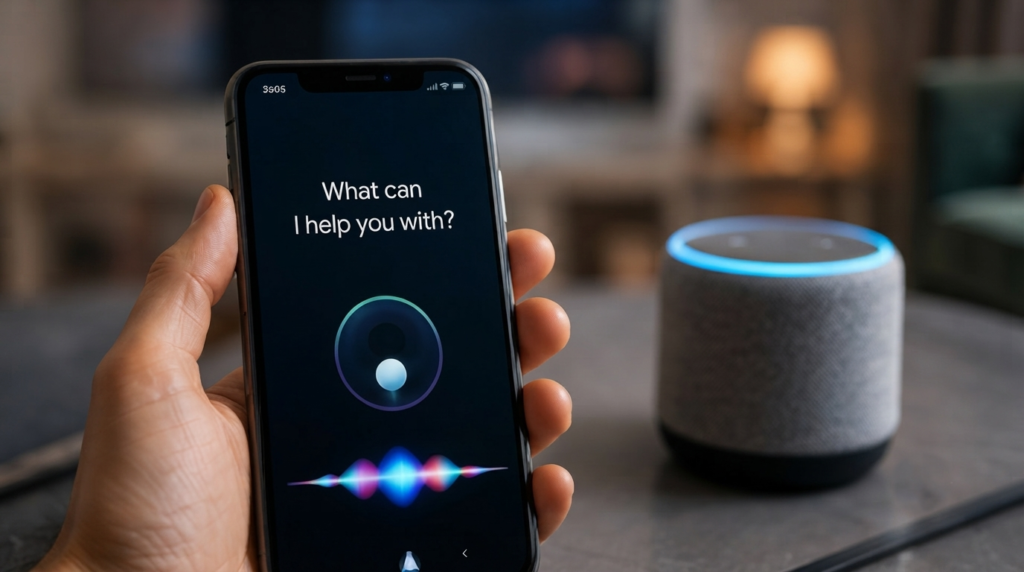
Voice assistants like Siri, Google Assistant, and Alexa can answer questions, set reminders, control smart home devices, and even help manage your schedule using artificial intelligence.
AI also improves smartphone features by:
- Enhancing photo quality
- Recognizing faces for secure unlocking
- Filtering spam calls
- Predicting text while typing
- Translating languages instantly
These smart features save time and make everyday tasks far more convenient.
Smarter Online Shopping
Have you ever noticed how online stores seem to know exactly what you’re looking for?
That’s AI at work.
Artificial intelligence analyzes browsing history, purchase behavior, and preferences to recommend products you’re most likely to buy.
AI also improves online shopping by:
- Providing personalized product suggestions
- Detecting fraudulent transactions
- Managing inventory efficiently
- Powering customer service chatbots
- Predicting delivery times
For businesses, AI improves customer satisfaction. For shoppers, it creates a faster and more personalized experience.

AI in Healthcare
Healthcare has become one of the biggest beneficiaries of artificial intelligence.
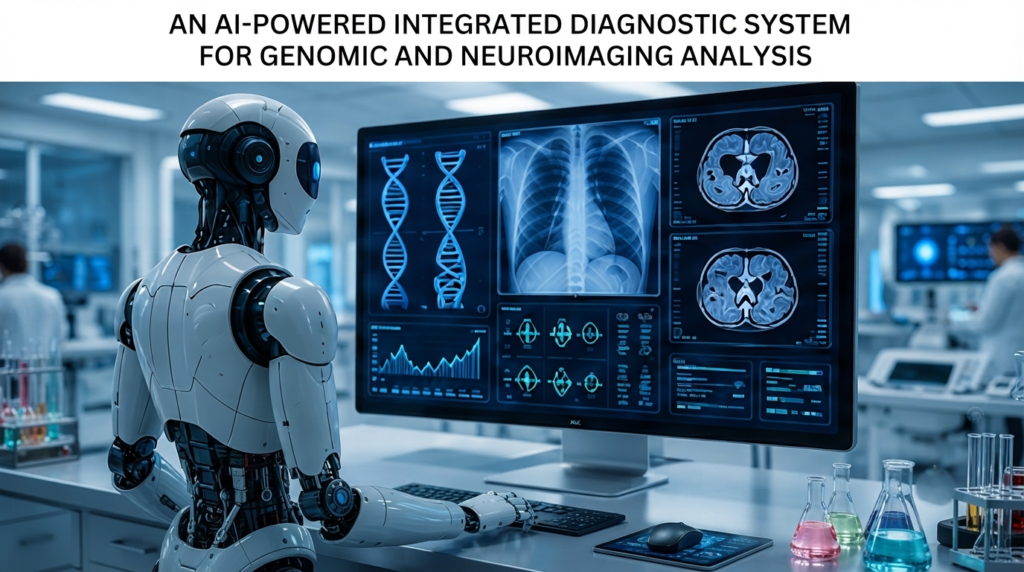
Doctors and hospitals now use AI to help diagnose diseases, analyze medical images, monitor patient health, and recommend treatment plans more quickly and accurately.
Examples include:
- Early detection of certain cancers
- AI-assisted X-ray and MRI analysis
- Wearable health monitoring devices
- Virtual healthcare assistants
- Faster drug research
While AI doesn’t replace medical professionals, it helps them make more informed decisions and improve patient care.
AI in Education
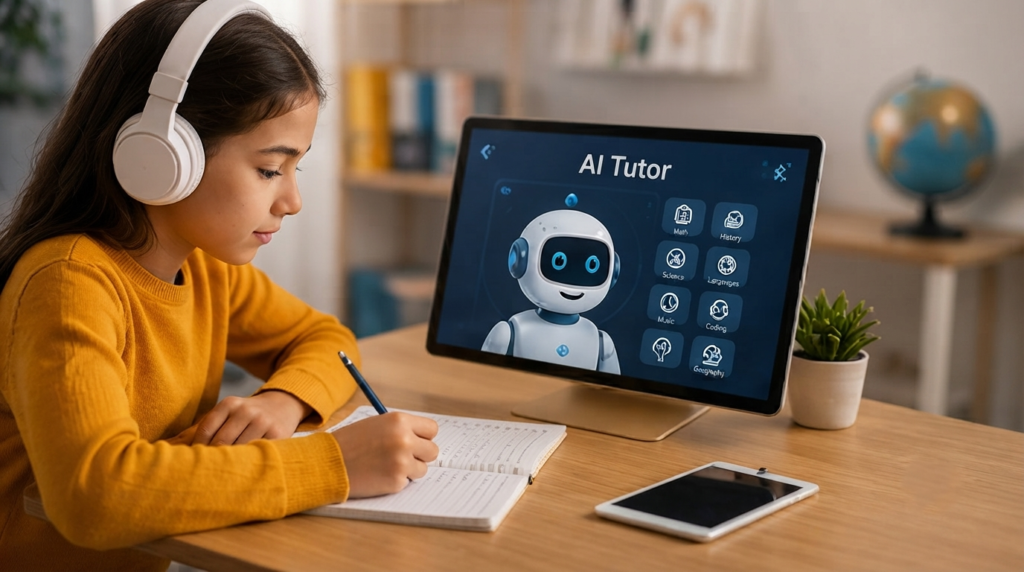
Artificial intelligence is changing how students learn and how teachers deliver education.
Modern learning platforms use AI to personalize lessons based on a student’s strengths and weaknesses. Instead of following the same learning path, students receive customized recommendations that help them progress at their own pace.
AI-powered educational tools can:
- Create personalized study plans
- Provide instant feedback
- Translate learning materials
- Automate grading
- Support students with disabilities
As technology continues to evolve, AI is making education more accessible and effective for learners around the world.
AI at Work
Businesses across nearly every industry now rely on artificial intelligence to improve productivity and reduce repetitive work.
AI helps employees by automating routine tasks such as scheduling meetings, organizing emails, analyzing large datasets, and generating reports. This allows professionals to focus on creative thinking, problem-solving, and strategic decision-making.
Many companies also use AI for:
- Customer support through intelligent chatbots
- Fraud detection in banking
- Predictive sales forecasting
- Marketing personalization
- Recruitment and resume screening
Rather than replacing every job, AI is increasingly becoming a tool that helps people work smarter and more efficiently.

AI in Transportation
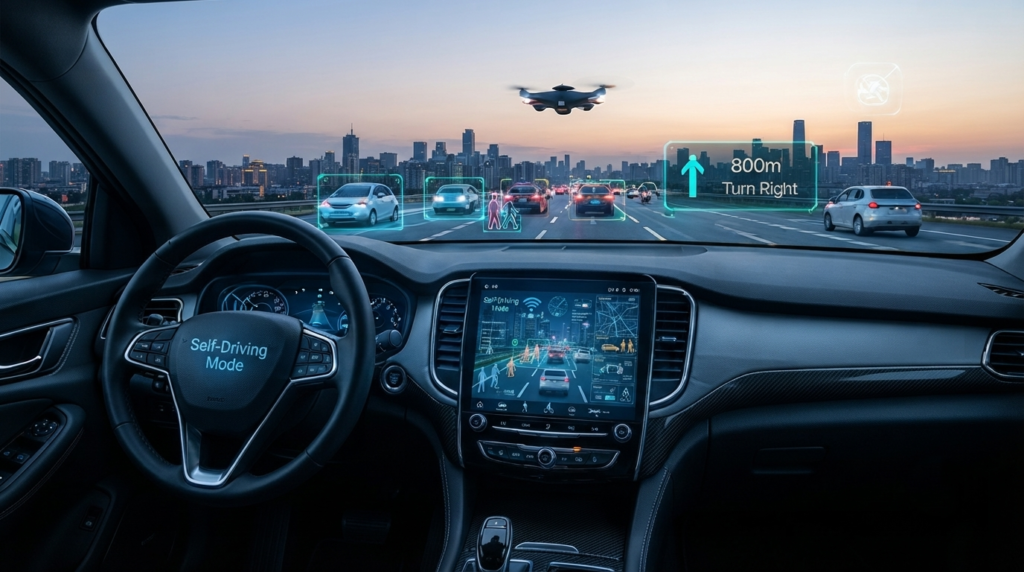
Artificial intelligence is making transportation safer, faster, and more efficient. From navigation apps to self-driving technology, AI helps reduce travel time and improve road safety.
Today, AI is commonly used to:
- Predict traffic conditions in real time
- Suggest the fastest travel routes
- Improve public transportation schedules
- Assist drivers with parking and collision warnings
- Support the development of autonomous vehicles
These innovations not only save time but also help reduce fuel consumption and traffic congestion.
AI for Entertainment
Artificial intelligence has completely changed how we consume entertainment. Streaming platforms, gaming companies, and social media apps all use AI to deliver personalized experiences.
For example, AI can:
- Recommend movies and TV shows based on your viewing history
- Create personalized music playlists
- Improve video game experiences with smarter characters
- Filter content according to user preferences
- Enhance photo and video editing tools
These intelligent recommendations help users discover content they’ll genuinely enjoy while making digital entertainment more engaging.

Benefits and Challenges of AI
How Artificial Intelligence Is Transforming Everyday Life Responsibly
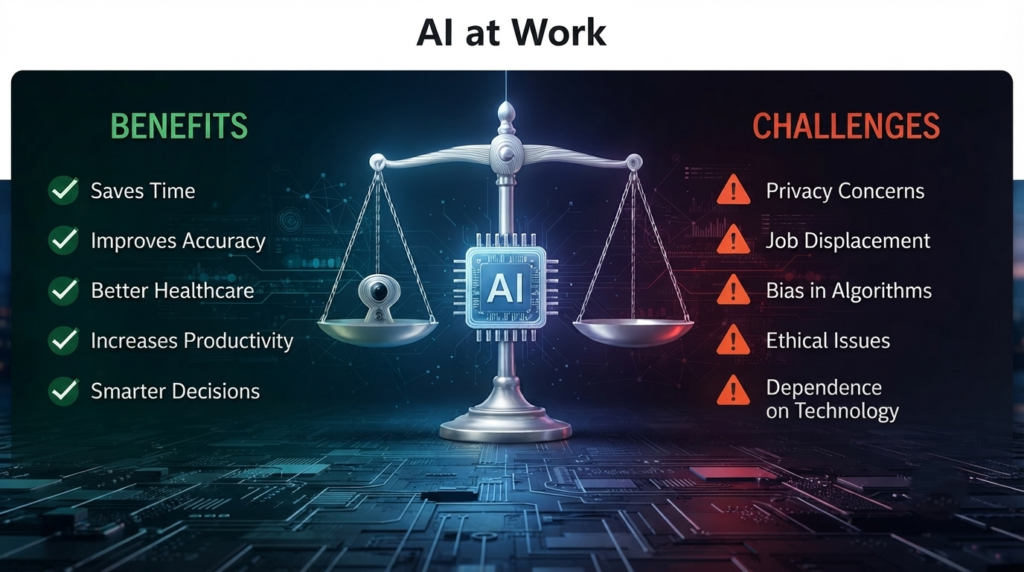
Artificial intelligence offers countless advantages, but it also presents important challenges that society must address.
Benefits
- Saves time by automating routine tasks
- Improves accuracy in data analysis
- Enhances healthcare and education
- Increases workplace productivity
- Delivers personalized user experiences
- Supports smarter decision-making
Challenges
- Privacy and data security concerns
- Potential job displacement in some industries
- Bias in AI algorithms
- Ethical issues surrounding automation
- Dependence on technology
Responsible AI development requires transparency, human oversight, and strong data protection to ensure these technologies benefit everyone.
The Future of Artificial Intelligence
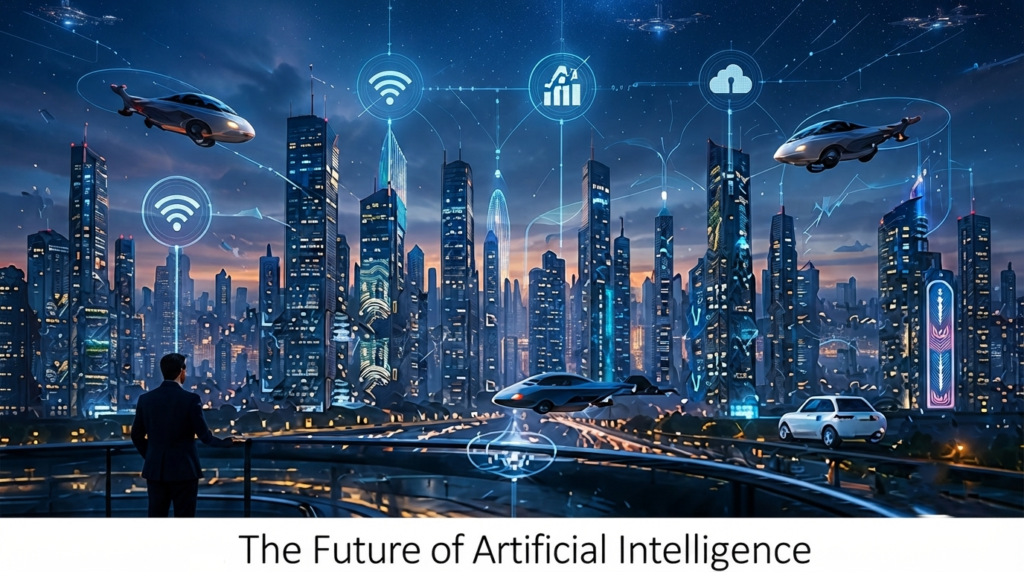
Artificial intelligence is expected to become even more integrated into daily life over the next decade.
Future AI innovations may include:
- More advanced personal assistants
- Smarter homes with fully automated systems
- Improved medical diagnostics
- AI-powered climate solutions
- Personalized education for every student
- Faster scientific research and discoveries
As AI continues to evolve, learning how to use it responsibly will become an essential skill for individuals and businesses alike.
Conclusion
Understanding how artificial intelligence is transforming everyday life helps us appreciate both its opportunities and responsibilities. From healthcare and education to transportation, entertainment, and the workplace, AI is improving convenience, efficiency, and decision-making in ways that were unimaginable just a few years ago.
While challenges such as privacy, ethics, and responsible development remain important, the future of AI is incredibly promising. By staying informed and embracing innovation wisely, we can make the most of this powerful technology. At Read Hub, we’re committed to bringing you clear, practical insights into the latest technological trends that shape our world.
If you have any questions or concerns regarding this topic, feel free to contact us through our Contact Us page or reach out via the WhatsApp button available on Read Hub. We’re always happy to help!
FAQ
1. What is artificial intelligence in simple words?
Artificial intelligence (AI) is technology that enables computers and machines to perform tasks that normally require human intelligence, such as learning, problem-solving, and decision-making.
2. How is AI used in everyday life?
AI is used in smartphones, virtual assistants, online shopping, healthcare, navigation apps, banking, education, entertainment, and smart home devices.
3. Can artificial intelligence replace human jobs?
AI can automate certain repetitive tasks, but it also creates new opportunities and helps people work more efficiently rather than replacing every job.
4. Is artificial intelligence safe?
AI is generally safe when developed and used responsibly. Strong privacy protections, ethical guidelines, and human oversight are important for minimizing risks.
5. What industries benefit the most from AI?
Healthcare, finance, education, transportation, retail, manufacturing, and customer service are among the industries benefiting most from artificial intelligence.