
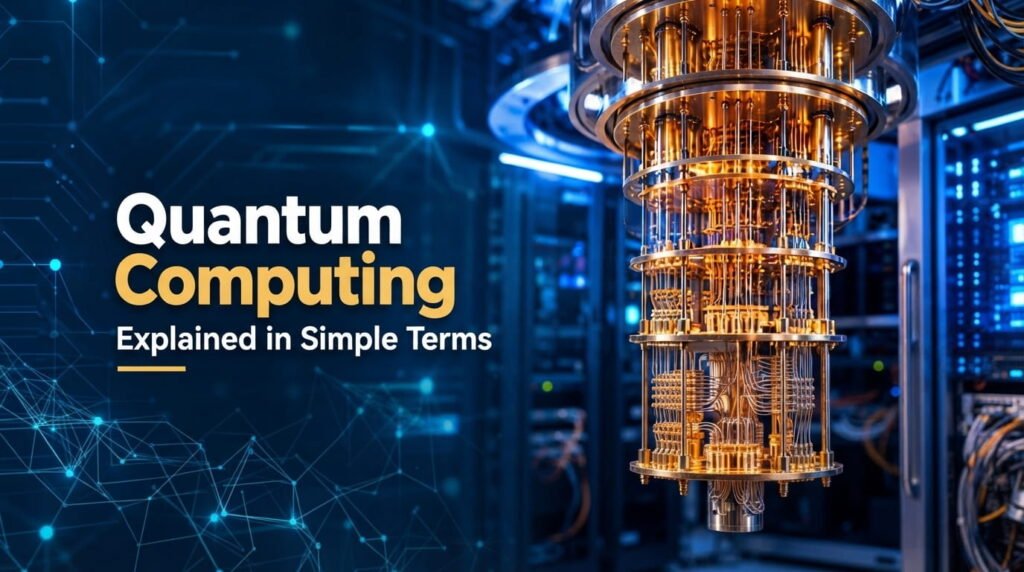
Quantum computing explained in simple terms starts with understanding that quantum computers work differently from traditional computers. Instead of using only regular bits, they use quantum bits, known as qubits, to process information in unique ways. This technology could eventually help with complex problems in science, medicine, cybersecurity, optimization, and other fields. Although quantum computing is still developing, its potential has made it one of the most interesting areas of modern technology.
What Is Quantum Computing?
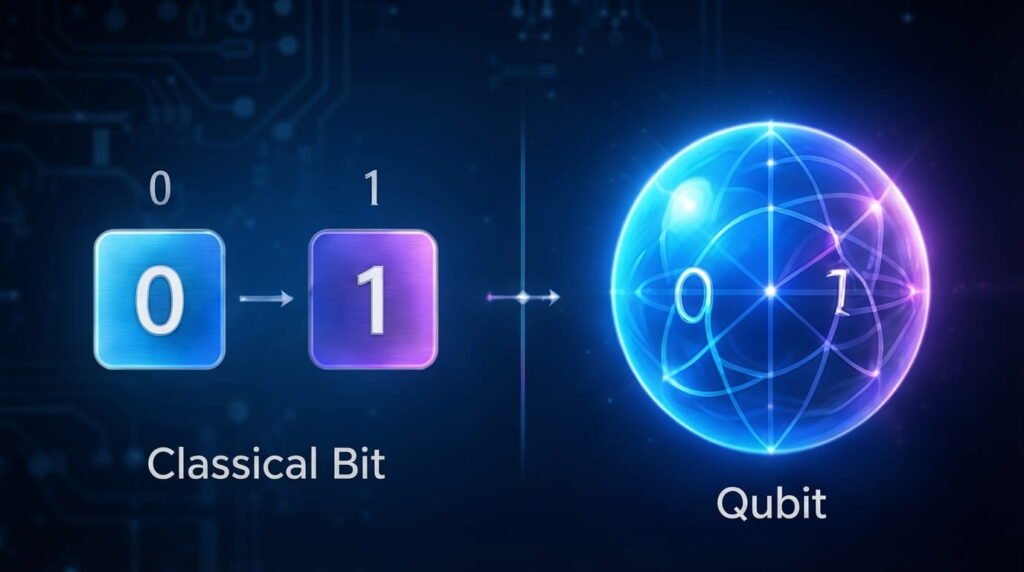
Quantum computing is a type of computing based on principles of quantum physics. Traditional computers process information using bits represented as 0 or 1, while quantum computers use qubits that can exist in quantum states. This gives quantum computers a different approach to solving certain complex problems rather than simply making everyday computers faster.
How Does Quantum Computing Work?
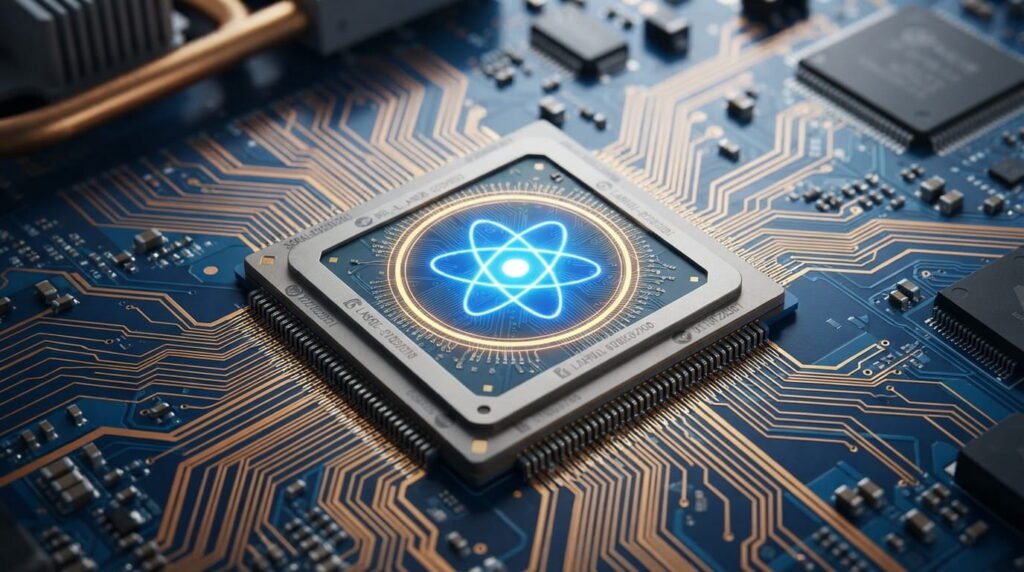
Quantum computers use quantum gates and circuits to manipulate qubits. During a computation, quantum states are carefully controlled and then measured to produce a result. Quantum algorithms also use a property called interference, which can help increase useful outcomes while reducing unwanted ones. Because quantum systems are extremely delicate, operating them requires highly specialized technology.
What Is a Qubit?
A qubit is the basic unit of quantum information. While a traditional bit has a definite value of either 0 or 1, a qubit can represent a quantum combination of possible states before measurement. Qubits can be created using different technologies, including superconducting circuits, trapped ions, and photons, with researchers continuing to improve their reliability and scalability.

Superposition and Entanglement
Two important quantum concepts are superposition and entanglement. Superposition allows a quantum system to be represented by a combination of possible states, while entanglement creates strong correlations between quantum systems. These properties, combined with interference, allow quantum algorithms to approach certain problems differently from classical algorithms.

Quantum vs Classical Computing
Classical computers are excellent for everyday tasks such as browsing the internet, running applications, gaming, and storing information. Quantum computers are being designed for specialized problems that may be difficult for classical systems. Therefore, quantum computing is not expected to replace laptops or smartphones; instead, quantum and classical computers may work together for different types of tasks.

Uses of Quantum Computing
Researchers are exploring quantum computing for drug discovery, chemistry, materials science, optimization, financial modeling, scientific simulation, and cybersecurity. One important cybersecurity area is post-quantum cryptography, which aims to protect digital information against future quantum computers that could threaten some existing encryption methods. Many of these applications are still under research rather than being fully practical today.

Challenges of Quantum Computing
Building useful quantum computers is difficult because qubits are highly sensitive to environmental disturbances and can easily experience errors. Researchers must improve quantum error correction, hardware stability, and scalability while keeping systems controllable. Creating a small experimental quantum computer is very different from building a large, reliable, fault-tolerant system capable of performing useful real-world computations.

Future of Quantum Computing
The future of quantum computing will depend on improvements in hardware, algorithms, error correction, and practical applications. Scientists and technology companies are working toward more reliable and scalable quantum systems. If these challenges can be overcome, quantum computers could become valuable tools for solving certain scientific and industrial problems alongside traditional computers.

How to Learn Quantum Computing
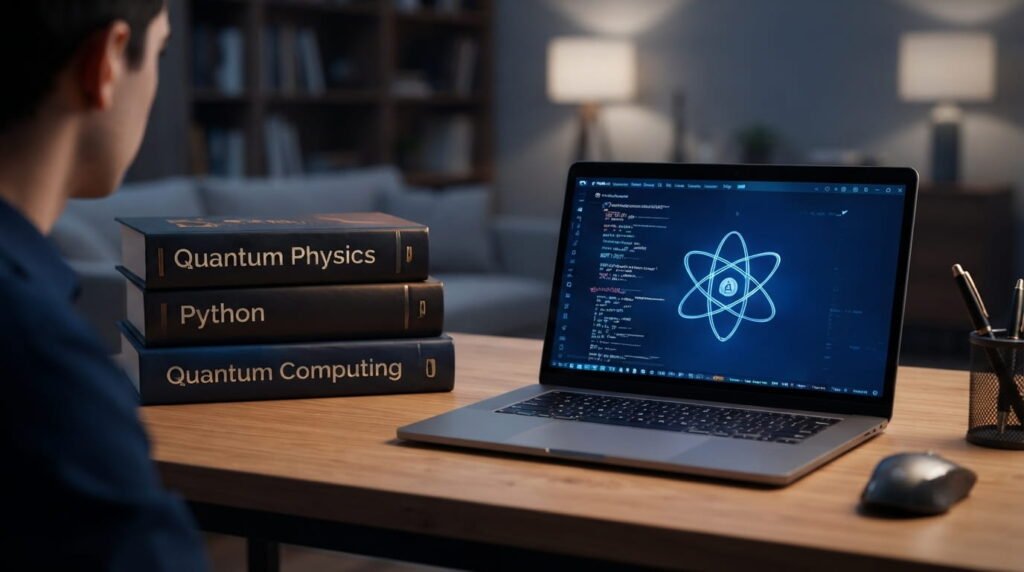
Beginners can start by learning basic concepts such as bits, qubits, superposition, entanglement, quantum gates, circuits, and measurement. After understanding these fundamentals, you can explore introductory quantum programming and gradually learn the mathematics behind quantum states and algorithms. Reliable educational resources are the best way to build a clear understanding without getting overwhelmed by complicated terminology.
Conclusion
Quantum computing explained in simple terms is essentially about using quantum properties to process information in a different way from traditional computers. Qubits, superposition, entanglement, and quantum algorithms could eventually help solve certain difficult problems, although major technical challenges remain. As this technology develops, it may become an important part of the future computing landscape. Read Hub aims to make complex technology topics easier to understand so readers can keep up with emerging innovations.
If you have any questions or concerns regarding this topic, feel free to contact us through our Contact Us page or reach out via the WhatsApp button available on Read Hub. We’re always happy to help!
FAQ
What is quantum computing?
Quantum computing is a type of computing that uses quantum-mechanical properties to process information using qubits.
What is a qubit?
A qubit is the basic unit of quantum information and can exist in quantum states involving possible 0 and 1 outcomes before measurement.
Is quantum computing faster than normal computing?
Not for every task. Quantum computers are designed to provide potential advantages for specific types of complex problems.
What are quantum computers used for?
Potential applications include scientific research, drug discovery, optimization, materials science, cybersecurity, and financial modeling.
Will quantum computers replace regular computers?
No. Quantum computers are expected to complement classical computers by handling specialized problems rather than replacing everyday devices.