

Bringing home a new puppy is exciting, but it also comes with responsibilities. Training your puppy from an early age helps build trust, prevents unwanted behaviors, and creates a happier relationship between you and your furry companion. The good news is that you don’t need to be a professional dog trainer to raise a well-behaved puppy. With patience, consistency, and positive reinforcement, you can teach essential skills that last a lifetime.
In this complete guide, Read Hub shares practical, expert-backed puppy training techniques that are easy for beginners and effective for every breed.
Why Early Puppy Training Matters
Puppies learn quickly during their first few months. Starting early helps them develop good habits before unwanted behaviors become routine. Training also builds confidence, improves communication, and strengthens the bond between you and your dog.
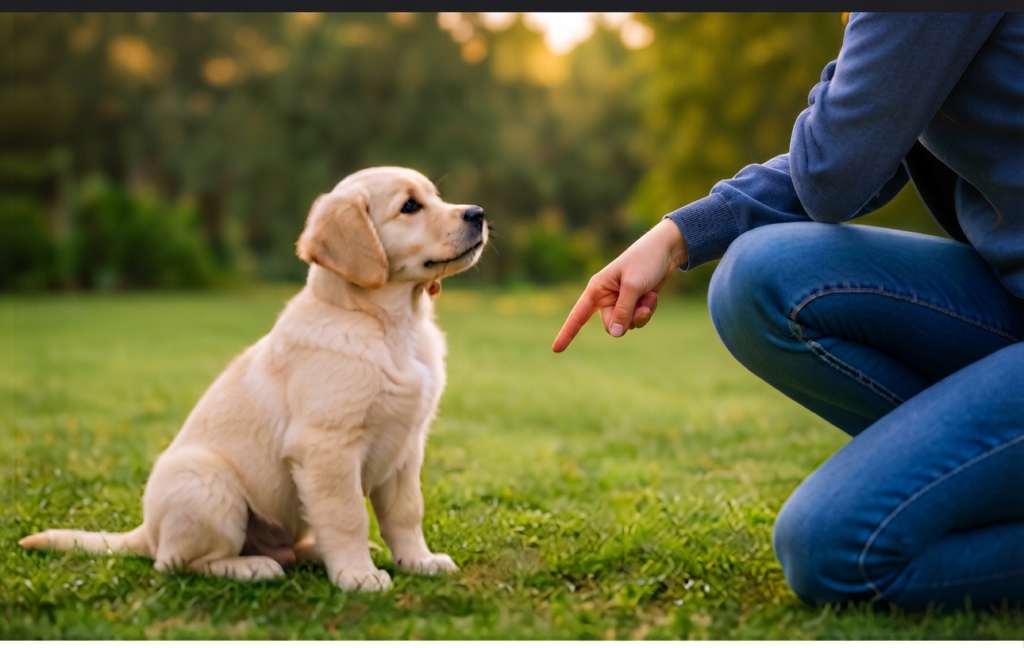
Prepare the Right Training Environment
Choose a quiet place with minimal distractions for training sessions. Keep treats, toys, and a leash nearby so you can reward good behavior immediately.
Pro Tip: Keep training sessions between 5–10 minutes. Short sessions are more effective than long ones.
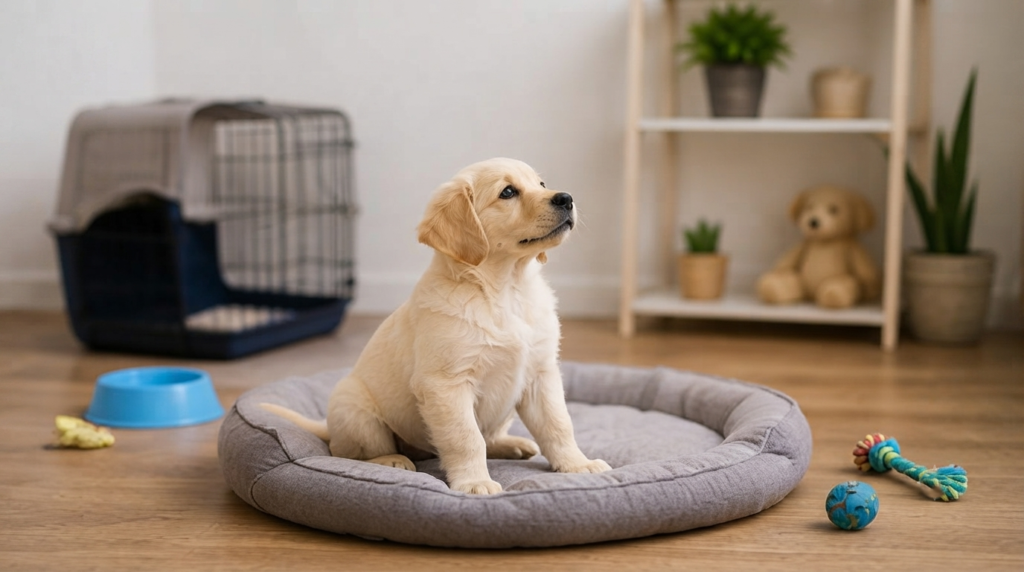
Use Positive Reinforcement
Professional trainers reward desired behaviors instead of punishing mistakes. Every time your puppy follows a command, reward them with:
- Healthy treats
- Praise
- Gentle petting
- Favorite toys
Positive experiences encourage your puppy to repeat good behavior.
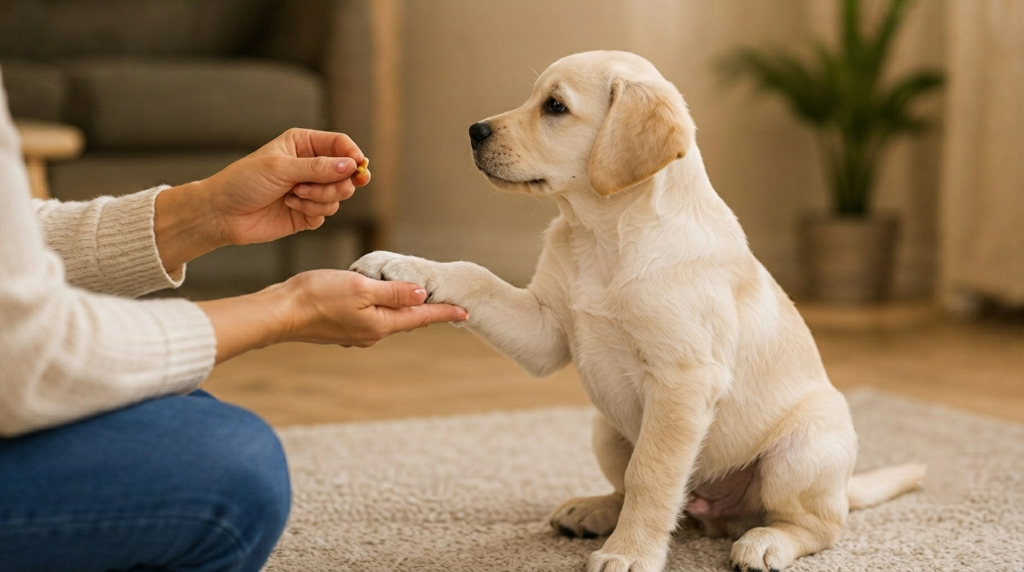
Teach Basic Commands
Start with simple commands that every puppy should know:
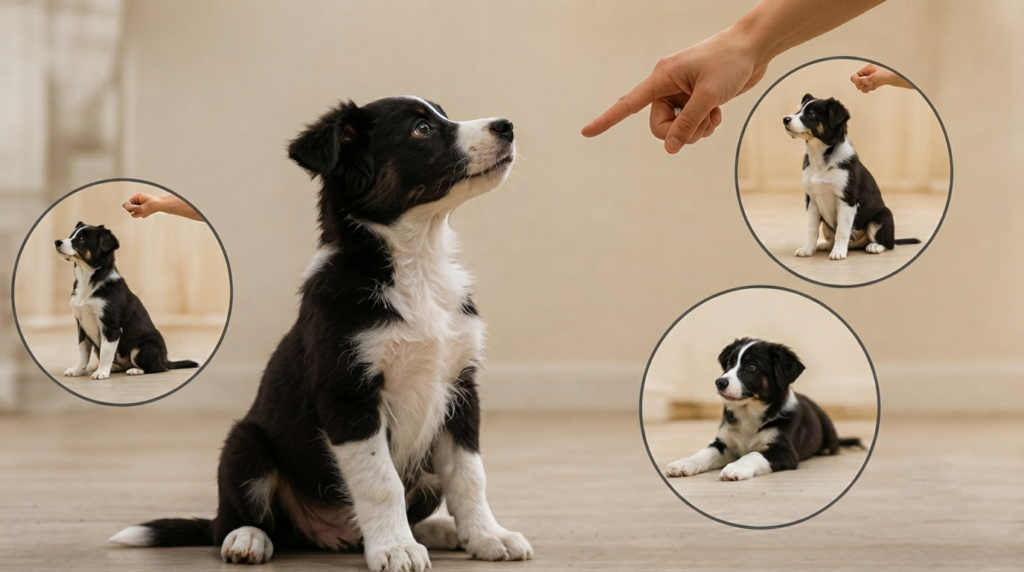
Sit
Hold a treat above your puppy’s head until they naturally sit, then reward them.
Stay
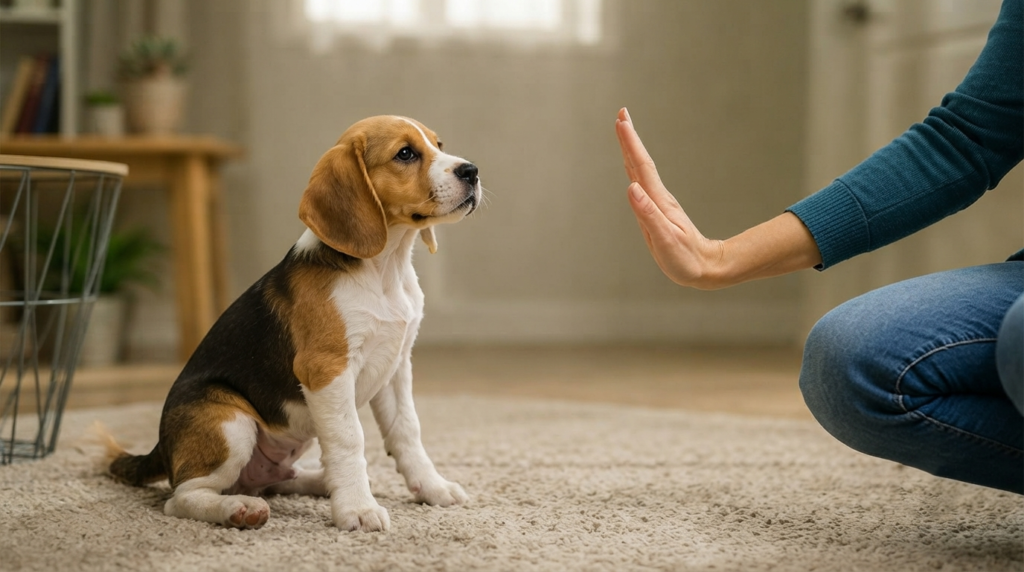
Ask your puppy to stay for a few seconds before giving the reward.
Come
Call your puppy happily and reward them every time they come.
Leave It
Teach them to ignore unsafe objects or food.
Mastering these commands creates a strong foundation for future training.
Potty Train Your Puppy
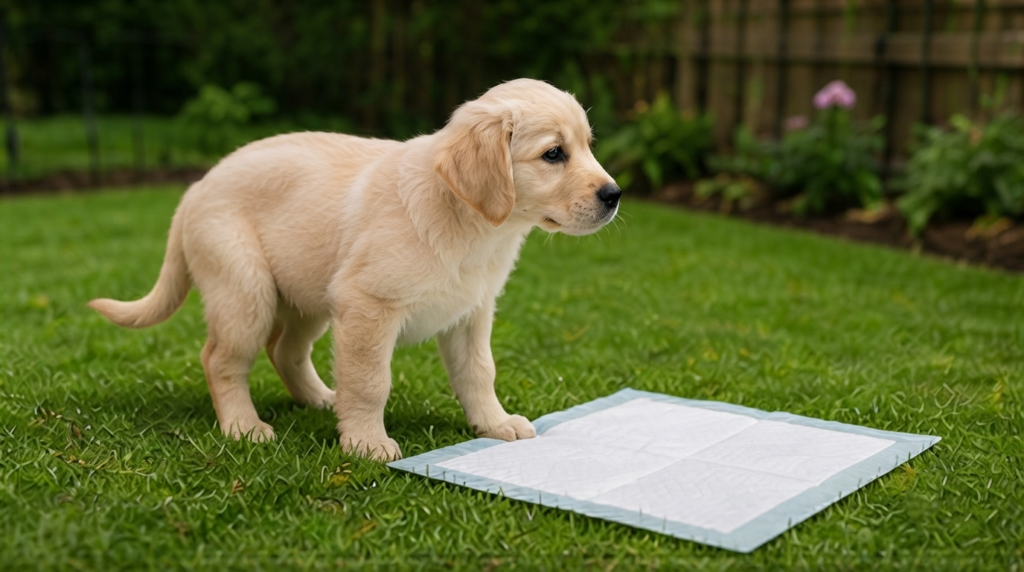
Successful potty training depends on consistency.
Take your puppy outside:
- After waking up
- After eating
- After playing
- Before bedtime
Always reward successful bathroom trips immediately. Avoid punishment for accidents, as it can create fear and confusion.
Stop Biting and Chewing
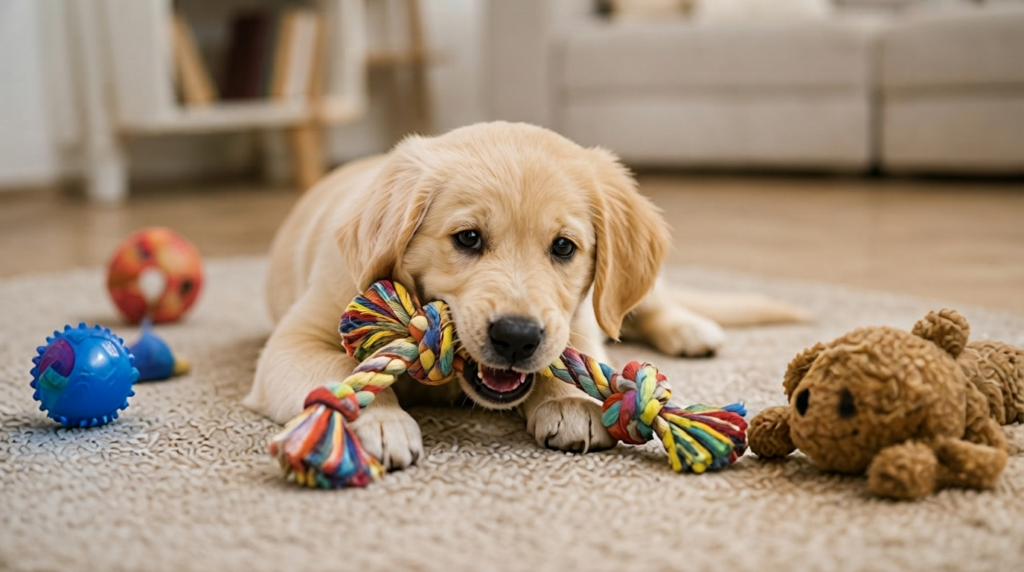
Puppies naturally explore with their mouths, but excessive biting should be redirected.
Offer chew toys instead of allowing them to bite hands, shoes, or furniture.
If your puppy bites during play:
- Stop playing immediately.
- Ignore them for a few seconds.
- Resume play calmly.
Your puppy will quickly learn that biting ends the fun.
Socialize Your Puppy Properly
Socialization is one of the most important parts of puppy training.
Safely introduce your puppy to:
- New people
- Friendly dogs
- Different sounds
- Various environments
- Car rides
- Grooming sessions
Positive experiences help prevent fear and anxiety later in life.
Train with Consistency
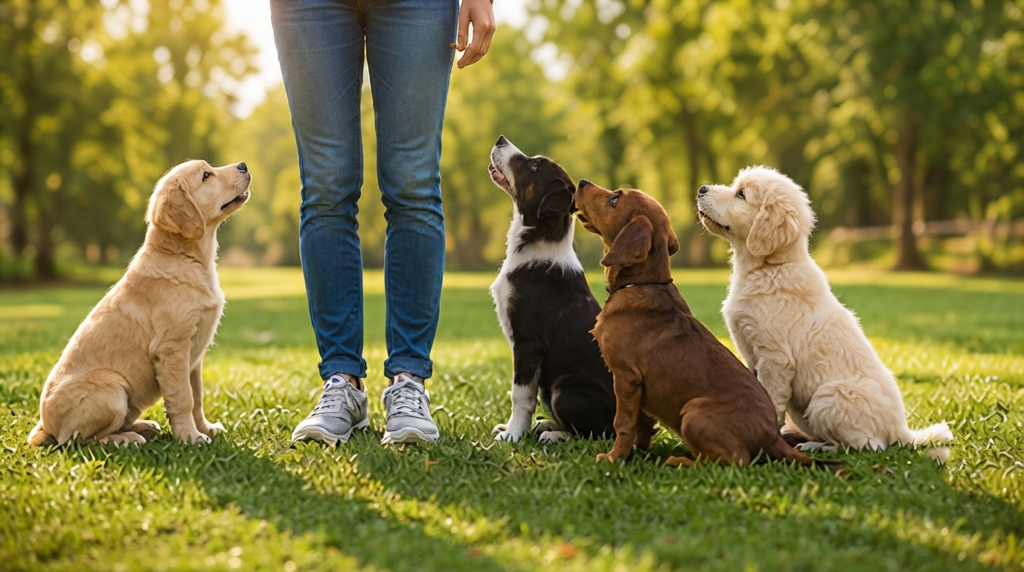
Every family member should use the same commands and rules.
For example, if one person allows the puppy on the couch while another doesn’t, your puppy becomes confused.
Consistency speeds up learning and creates reliable behavior.
Correct Bad Behavior the Right Way
Avoid yelling or physical punishment.
Instead:
- Redirect unwanted behavior.
- Reward the correct behavior.
- Stay calm.
- Repeat the lesson consistently.
Dogs respond much better to guidance than fear.
Advanced Training Tips
Once your puppy masters the basics, gradually introduce more advanced skills like:
- Loose leash walking
- Recall in busy places
- Waiting at doors
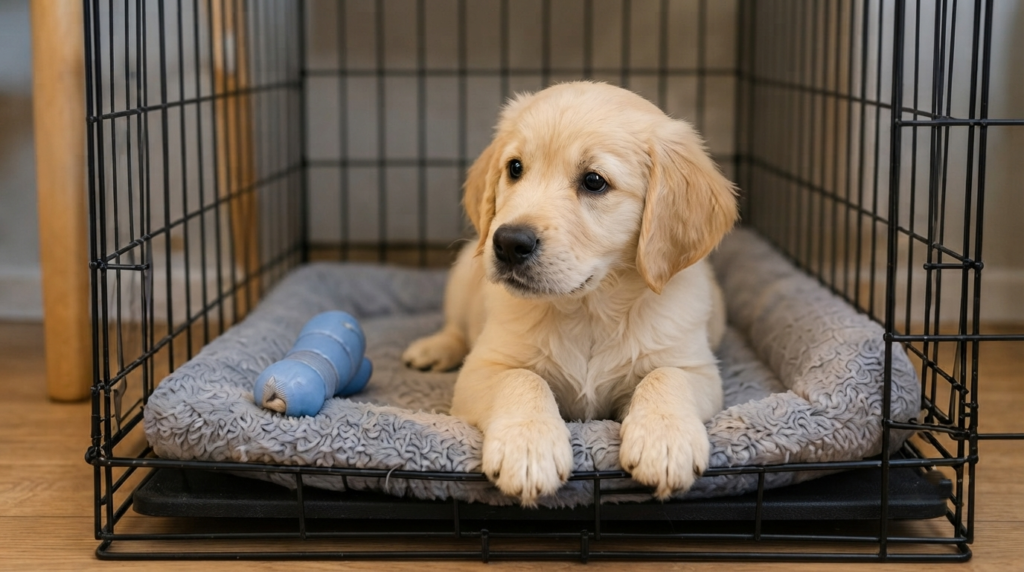
- Crate training
- Hand signals
- Simple tricks
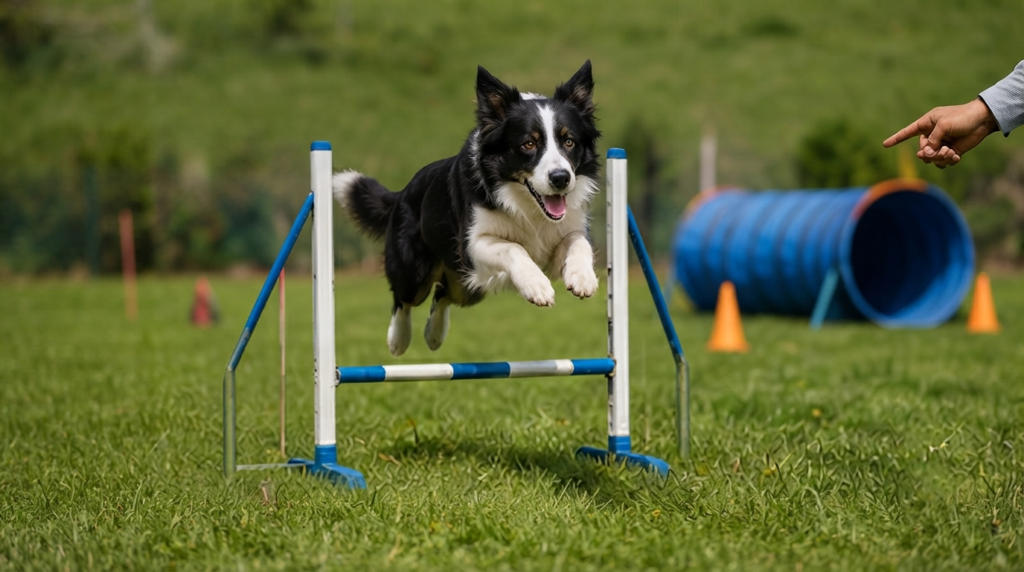
Continue practicing regularly, even after your puppy learns the commands. Ongoing training keeps your dog mentally stimulated and reinforces good habits.
Conclusion
Learning how to train your puppy like a professional isn’t about perfection—it’s about patience, consistency, and building trust every day. By using positive reinforcement, teaching basic commands, encouraging socialization, and staying consistent, you’ll raise a confident, obedient, and happy dog.
At Read Hub, we believe every puppy deserves a great start in life, and every owner can become a successful trainer with the right knowledge and dedication.
If you have any questions or concerns regarding this topic, feel free to contact us through our Contact Us page or reach out via the WhatsApp button available on Read Hub. We’re always happy to help!
FAQ
1. At what age should I start training my puppy?
You can begin basic training as early as 8 weeks old using simple commands and positive reinforcement.
2. How long should puppy training sessions be?
Keep sessions short—around 5 to 10 minutes—to maintain your puppy’s attention and enthusiasm.
3. What is the best reward for puppy training?
Healthy treats, praise, toys, and affection are excellent rewards that motivate puppies to learn.
4. How long does potty training take?
Most puppies become reliably potty trained within 4–6 months, depending on consistency and routine.
5. Should I punish my puppy for accidents?
No. Punishment can create fear. Instead, redirect your puppy and reward the correct behavior.
6. Can older puppies still be trained?
Absolutely. While younger puppies learn faster, dogs of any age can learn new commands with patience and consistent practice.