
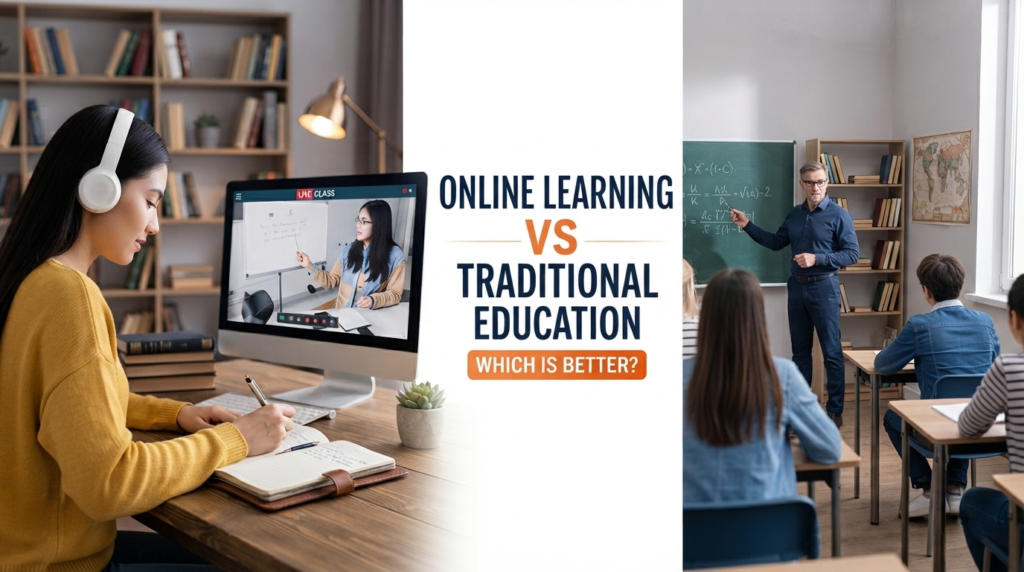
Choosing between online learning vs traditional education is no longer a simple decision. Students today can attend classes in a physical classroom or learn from almost anywhere with an internet connection. Both options have clear advantages, but they also come with challenges.
Traditional education offers face-to-face interaction, structured schedules, and a familiar classroom environment. Online learning, meanwhile, provides flexibility, convenience, and access to courses that may not be available locally. The better choice depends on your learning style, schedule, budget, goals, and personal circumstances. Let’s compare both options to help you make a confident decision.
Flexibility and Convenience
One of the biggest advantages of online education is flexibility. You can often study from home, work, or another comfortable location without traveling to a campus every day.
This can be especially useful for working professionals, parents, or students with busy schedules. Traditional education generally follows fixed class times, making it easier to maintain a routine but harder to accommodate other responsibilities.
If your schedule changes frequently, online learning may offer the greater advantage.

Cost and Affordability
The cost of education depends heavily on the institution and program, but online learning can reduce several additional expenses. Students may save money on transportation, accommodation, meals, and printed materials.
Traditional education can involve tuition as well as commuting or living expenses, particularly when attending a college or university away from home.
However, don’t choose an online course simply because it looks cheaper. Consider accreditation, course quality, instructor experience, technology requirements, and the value of the qualification before enrolling.

Learning Environment
Traditional classrooms provide a structured environment where students attend lectures, participate in discussions, and follow a regular timetable. For people who learn best through routine and direct supervision, this setup can be highly effective.
Online learning provides greater freedom but requires you to create your own productive environment. A quiet room, reliable internet connection, and dedicated study schedule can make a major difference.
Your personality and preferred learning style should therefore play a major role in the decision.

Student-Teacher Interaction
Face-to-face education makes it easy to ask questions immediately, participate in classroom discussions, and build personal relationships with teachers and classmates.
Online education has improved significantly in this area. Live classes, video calls, discussion boards, messaging, and virtual meetings can provide meaningful interaction. Still, the experience varies from one course to another.
If personal interaction is extremely important to you, traditional education may feel more natural. If you’re comfortable communicating digitally, online learning can work very well.

Course Variety and Accessibility
Online education has opened the door to an enormous range of learning opportunities. Students can study subjects from institutions and instructors located far beyond their local area.
This is particularly useful when a specialized course isn’t available nearby. Online platforms can also offer short courses, professional certifications, skill-based programs, and flexible degree options.
Traditional institutions may provide fewer choices geographically, but they often offer campus facilities, laboratories, libraries, and hands-on experiences that online programs may not fully replicate.
Self-Discipline and Time Management
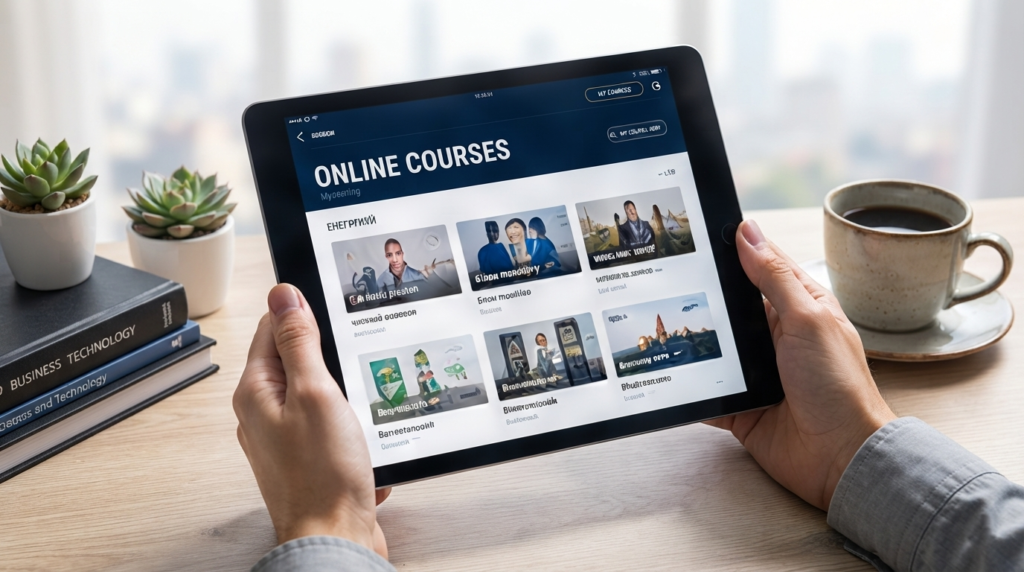
Online learning requires a strong level of self-motivation. Without a teacher physically present, it’s easier to postpone a lesson, miss a deadline, or become distracted by social media.
Successful online students usually create a schedule, set specific study goals, and keep track of assignments.
Traditional education provides more external structure. Regular classes and attendance requirements can help students stay accountable. For someone who struggles with time management, that structure can be a significant benefit.

Which Option Is Better for You?
There isn’t one universal answer to the question of online learning vs traditional education. The right choice depends on what you need from your education.
Online learning may be better if you:
- Need a flexible schedule.
- Work while studying.
- Prefer learning at your own pace.
- Want access to courses outside your local area.
- Are comfortable studying independently.
Traditional education may be better if you:
- Prefer face-to-face teaching.
- Learn well in structured environments.
- Want regular interaction with classmates.
- Need access to physical facilities or practical training.
- Benefit from direct supervision.
For some students, a combination of both can be ideal. Hybrid education brings online resources together with in-person classes, offering flexibility without completely removing the traditional classroom experience.
At Read Hub, we believe the best educational choice is the one that fits your goals rather than simply following what everyone else is doing.

Conclusion
The debate over online learning vs traditional education doesn’t have a single winner. Online learning offers flexibility, accessibility, and convenience, while traditional education provides structure, personal interaction, and valuable hands-on experiences.
Before making your decision, consider your budget, learning style, schedule, career goals, and the type of course you want to study. Most importantly, research the institution and qualification carefully. The quality of the education matters far more than whether the classroom is physical or virtual.
With the right approach, both online and traditional education can help you build valuable knowledge and move closer to your career goals. Read Hub is here to help you make smarter, better-informed choices about education and learning.
If you have any questions or concerns regarding this topic, feel free to contact us through our Contact Us page or reach out via the WhatsApp button available on Read Hub. We’re always happy to help!
FAQ
Is online learning better than traditional education?
Not necessarily. Online learning is better for students who value flexibility and independent study, while traditional education can be better for those who prefer structure and face-to-face interaction.
Is online education cheaper than traditional education?
Online programs can reduce expenses such as transportation and accommodation, but costs vary widely. Always compare tuition, technology requirements, accreditation, and overall program value before enrolling.
Do employers accept online degrees?
Many employers accept qualifications earned through reputable, properly accredited institutions. However, recognition can vary by employer, industry, country, and specific program, so research the qualification before enrolling.
What are the main disadvantages of online learning?
Common challenges include distractions, limited face-to-face interaction, technical problems, and the need for strong self-discipline. Students who need regular supervision may find online study more difficult.
Which is better for students who work?
Online learning is often more convenient for working students because many programs provide flexible schedules. However, evening or weekend traditional programs can also work well depending on the institution.