

If you are injured because of someone else’s negligence, you may wonder whether you have the right to seek compensation. Personal injury claims can arise from car accidents, slip-and-fall incidents, defective products, workplace-related incidents, and other situations where another party may be legally responsible. The rules are not identical across the United States, so the process and deadlines can vary by state. This guide from Read Hub explains the basic process in simple terms and highlights what injured people should know before deciding what to do next.
What Is a Personal Injury Claim?
A personal injury claim is generally a legal request for compensation after someone suffers physical, emotional, or financial harm because another party may be responsible.
Depending on the circumstances, a claim may be handled through an insurance company or become part of a lawsuit. Establishing responsibility usually requires evidence showing what happened and how the other party contributed to the injury.

Common Types of Personal Injury Cases
Personal injury cases can involve many different situations. Common examples include car accidents, motorcycle crashes, pedestrian accidents, slip-and-fall injuries, medical negligence, defective products, and dog bites.
The legal requirements can differ significantly depending on the type of accident and the state where it occurred. That’s why circumstances should be reviewed carefully rather than relying on a one-size-fits-all approach.

What Evidence Should You Collect?
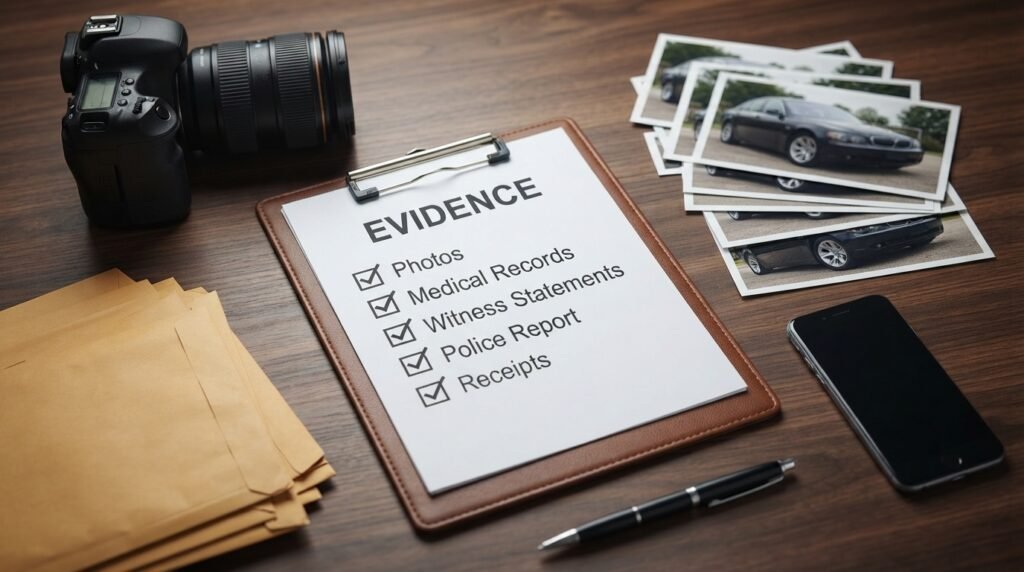
Good documentation can make a major difference. If possible, keep medical records, accident reports, photographs, receipts, insurance correspondence, and information about witnesses.
Write down what happened while the details are still fresh. Avoid deleting relevant messages or documents, and keep copies of important communications with insurers or other parties.
How the Claims Process Works
A typical claim may begin by reporting the incident and notifying the relevant insurance company. The parties then investigate the circumstances and evaluate the potential damages.
Some claims settle through negotiation. Others may proceed to court if the parties cannot reach an agreement. The exact process depends on the facts and applicable state law.

Understanding Compensation
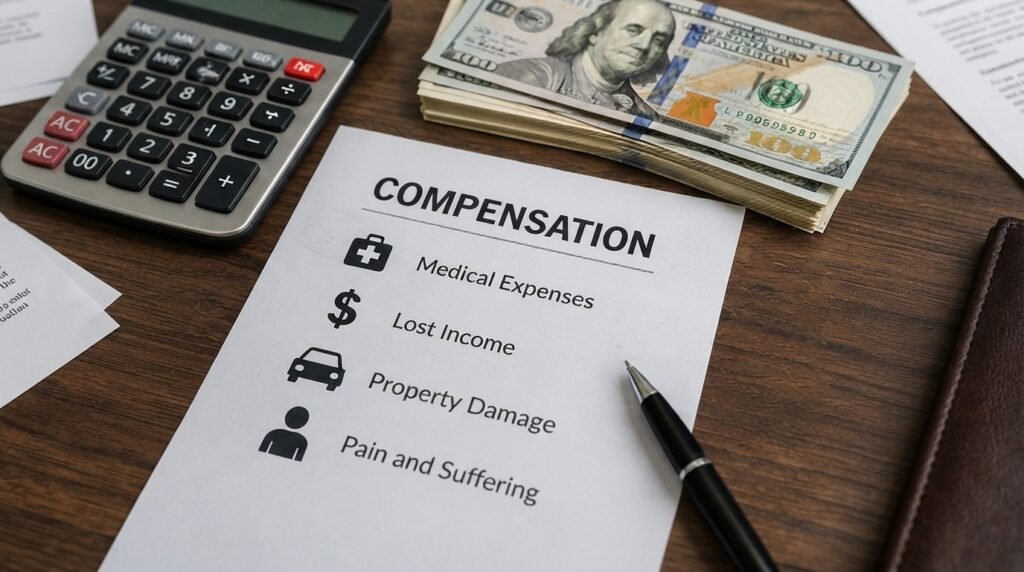
Compensation may cover different types of losses depending on the case and local law. Potential damages can include medical expenses, lost income, property damage, and certain forms of non-economic harm.
The amount is never guaranteed. Factors such as the severity of the injury, evidence of fault, financial losses, insurance coverage, and state law can all affect the outcome.
Why State Laws Matter
One of the most important things to understand is that personal injury law varies across the United States. States have different rules concerning negligence, liability, damages, and the amount of time available to bring a lawsuit.
Because deadlines can be strict, someone with a potential claim should check the law applicable to their specific location as soon as reasonably possible.

Conclusion
Understanding personal injury claims can help U.S. residents make more informed decisions after an accident or injury. Keep detailed records, preserve relevant evidence, understand your insurance coverage, and pay attention to applicable deadlines.
Because personal injury law is state-specific and individual cases can be complicated, this article is general educational information rather than legal advice. For a situation involving significant injuries or potential litigation, consider speaking with a qualified attorney in the relevant state.
For more practical guides on important topics, keep following Read Hub.
If you have any questions or concerns regarding this topic, feel free to contact us through our Contact Us page or reach out via the WhatsApp button available on Read Hub. We’re always happy to help!
FAQ
What is a personal injury claim?
It is generally a legal claim seeking compensation for harm caused by another party’s negligence or wrongful conduct.
What are common personal injury cases?
Common examples include car accidents, slip-and-fall incidents, defective products, dog bites, and certain medical negligence cases.
What evidence is useful in a personal injury claim?
Medical records, photographs, accident reports, witness information, receipts, insurance documents, and relevant communications can be useful.
How long do I have to file a personal injury lawsuit?
The deadline, often called the statute of limitations, depends on the state and circumstances of the claim. Check the applicable state law promptly.
Should I hire a personal injury lawyer?
It depends on the circumstances. Professional legal advice may be especially useful when injuries are serious, liability is disputed, or significant compensation is involved.