

Getting a call from a debt collector can be stressful, especially when you’re unsure whether the debt is legitimate or what you’re legally required to do. The good news is that consumers have important protections under U.S. federal law. Knowing how to handle debt collection calls can help you avoid scams, protect your personal information, and respond appropriately when a collector contacts you. The Fair Debt Collection Practices Act (FDCPA) restricts certain collection practices and gives consumers specific rights when dealing with covered debts.
1. Verify the Debt and Collector
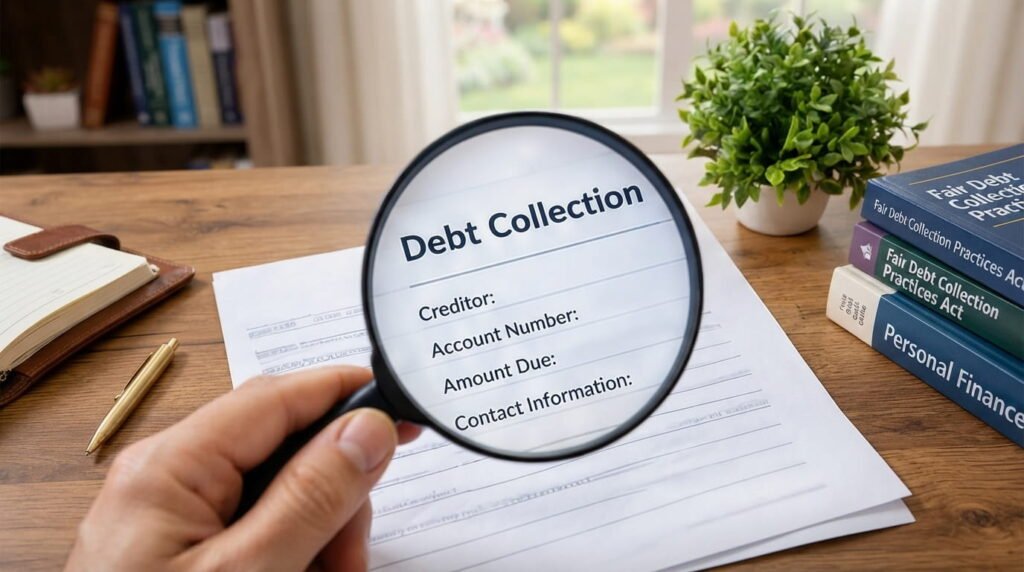
Before discussing payment or sharing sensitive financial information, make sure you’re dealing with a legitimate debt collector and that the debt actually belongs to you. Generally, collectors must provide validation information identifying the creditor, the amount owed, information about the debt, and instructions for disputing it. If you don’t recognize the debt, don’t simply assume the caller is legitimate; ask for the required validation information and independently verify the collector before providing sensitive details.
2. Know Your Right to Dispute the Debt
If you believe the debt isn’t yours, the amount is incorrect, or you’ve already paid it, you can dispute it in writing. Generally, if you send a written dispute within the 30-day validation period, the collector must stop collection activity on the disputed debt until it provides verification. Your validation notice should identify the applicable deadline, so read it carefully rather than ignoring it.

3. Understand When a Collector Can Call
Federal rules place limits on certain debt-collection communications. For covered debts, collectors generally cannot call before 8 a.m. or after 9 p.m. in your local time unless you have agreed otherwise. The rules also create a presumption that a collector violates the law if it calls more than seven times within seven days about a particular debt, or calls within seven days after speaking with you by phone about that debt. State laws may provide additional protections.
4. Ask the Collector to Stop Contacting You
If you don’t want further communications, you can send the debt collector a written request to stop contacting you. After receiving that request, the collector generally must stop communicating about the debt, although the law allows limited communications, such as confirming that contact will stop or notifying you about a specific legal remedy it intends to pursue. Importantly, asking a collector to stop contacting you does not erase the debt or prevent other legally permitted collection actions, including a possible lawsuit.

5. Keep Records of Every Interaction
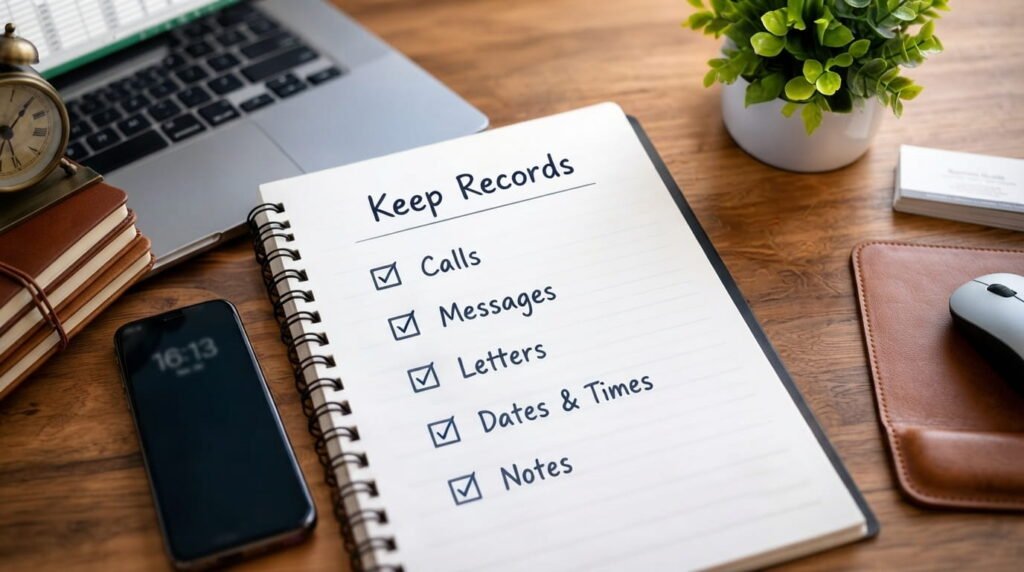
Save letters, emails, text messages, voicemails, and other communications from the collector, and keep copies of anything you send. It can also help to record the date, time, phone number, and basic details of each call. If you send a written request, keep a copy and consider using a delivery method that provides proof of receipt. Good records can become important if you need to dispute the debt, file a complaint, or speak with an attorney.
6. Report Possible Violations
Debt collectors cannot use abusive, unfair, or deceptive practices when collecting covered consumer debts. If you believe a collector is violating your rights, you can submit a complaint to the Consumer Financial Protection Bureau (CFPB) and consider contacting your state attorney general or a qualified attorney. The FDCPA generally covers household consumer debts such as credit cards, medical bills, car loans, and certain other personal debts, while business debts generally aren’t covered by the FDCPA.
Conclusion
Knowing how to handle debt collection calls can make an uncomfortable situation much easier to manage. Verify the debt before sharing sensitive information, carefully review the validation notice, dispute inaccurate debts in writing, understand communication limits, and keep detailed records. If you believe your rights have been violated, official consumer-protection agencies and qualified legal professionals can help you understand your options. Read Hub aims to make complicated financial topics easier to understand, but individual legal situations can vary, so consider professional legal advice when your circumstances require it.
If you have any questions or concerns regarding this topic, feel free to contact us through our Contact Us page or reach out via the WhatsApp button available on Read Hub. We’re always happy to help!
FAQ
Can I tell a debt collector to stop calling me?
Yes. You can generally send a written request telling a debt collector to stop contacting you. After receiving it, the collector is generally limited to certain communications permitted by federal law.
What should I do if I don’t recognize the debt?
Don’t provide sensitive financial information until you’ve verified the collector and debt. Review the validation information and, if you don’t believe the debt is yours, send a written dispute within the applicable 30-day validation period.
Can a debt collector call me repeatedly?
Federal rules limit certain repeated calls. A collector is presumed to violate the law if it calls more than seven times within seven days about a particular debt or calls within seven days after a phone conversation about that debt.
Does telling a collector to stop calling erase the debt?
No. A request to stop communications does not eliminate a valid debt and does not necessarily prevent other legally permitted actions, such as a lawsuit.
Where can I get help with a debt collection problem?
You can submit a complaint to the CFPB or contact your state attorney general. If the situation is complicated or you believe your legal rights have been violated, consider speaking with a qualified attorney.