

A workplace injury can create two problems at once: you may need medical treatment while also worrying about how you will pay your bills if you cannot work. Workers’ compensation benefits are designed to help eligible employees deal with the financial and medical consequences of a work-related injury or illness. Depending on the applicable system, benefits may include medical care, partial wage replacement, rehabilitation, and benefits for eligible survivors. However, the exact rules, deadlines, and payment amounts vary by state and by the type of employment.
If you have recently been injured at work, understanding the process can help you protect your claim and avoid unnecessary delays.

What Is Workers’ Compensation?
Workers’ compensation is a system that provides benefits to eligible employees who suffer work-related injuries or occupational illnesses. In most cases, state workers’ compensation systems handle private-sector and state or local government employees, while certain federal employees and specific worker groups fall under federal programs administered by the U.S. Department of Labor.
One important feature is that workers’ compensation generally focuses on providing benefits for qualifying workplace injuries without requiring the employee to prove employer fault through an ordinary personal-injury lawsuit.

Types of Workers’ Compensation Benefits
The benefits available depend on the applicable law and circumstances of the injury. Common categories include medical benefits, which may cover reasonable treatment related to the workplace injury, and wage replacement benefits when an injury prevents you from working or reduces your earning ability. Some systems also provide vocational rehabilitation to help an injured employee return to work or prepare for other employment.
In cases involving a work-related death, eligible family members or dependents may receive survivor benefits. These can include financial support and, depending on the applicable law, certain funeral or related expenses.

Who May Qualify?
Eligibility is not determined simply by having an injury. The injury or illness generally needs to meet the requirements of the applicable workers’ compensation system and be connected to employment.
Coverage also varies. States have their own rules concerning covered employers, employees, injuries, waiting periods, reporting requirements, and benefit calculations. That is why checking your state workers’ compensation agency is an important step rather than relying on a general rule found online.

How to Report a Workplace Injury
If you are injured at work, report the incident to your employer as soon as reasonably possible and follow your workplace’s reporting procedure. Even when an injury initially seems minor, documenting it can become important if symptoms develop later.
Keep copies of incident reports, medical records, prescriptions, bills, correspondence, and other claim-related documents. Also write down when and where the injury happened, what you were doing, who witnessed it, and how it affected your ability to work.
Do not assume that your employer or insurer will automatically complete every step for you. Workers’ compensation deadlines can vary by jurisdiction, so check the applicable state agency promptly. The U.S. Department of Labor maintains a directory of state workers’ compensation officials.

How the Claims Process Works
After an injury is reported, the claim may be reviewed to determine whether it qualifies under the applicable workers’ compensation rules. Medical documentation, employment information, accident details, and other evidence may be relevant.
If the claim is accepted, eligible benefits may begin according to the applicable rules. If there is a dispute, the employee may have options to challenge or appeal the decision. USA.gov confirms that workers whose claims are denied can appeal.
Because procedures differ considerably between states, keep track of every deadline and communication connected with your claim.

What to Do If Your Claim Is Denied
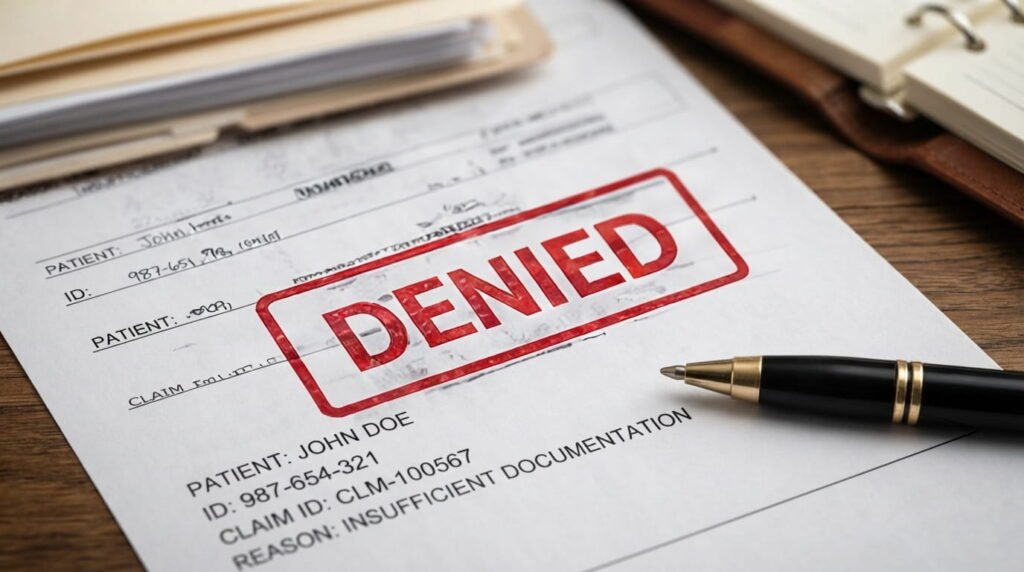
A denied claim does not necessarily mean the matter is finished. Read the denial notice carefully and identify the stated reason for the decision and any deadline for requesting a review or appeal.
Gather supporting records, including medical documentation, accident reports, witness information, wage records, and correspondence with your employer or insurer. Depending on the complexity and value of the claim, consulting a workers’ compensation attorney or an appropriate legal aid/resource organization may also be useful.
For state-specific assistance, start with your state workers’ compensation agency. The U.S. Department of Labor provides a state-by-state directory.
Common Mistakes to Avoid
One of the biggest mistakes is waiting too long to report an injury. Another is failing to attend medical appointments or ignoring work restrictions provided by a healthcare professional.
You should also avoid exaggerating symptoms, guessing about facts you do not remember, or discarding documents connected with your claim. Keep your records organized and communicate consistently.
Finally, remember that workers’ compensation is not governed by one nationwide set of rules for every employee. A rule that applies in one state may be different in another, so verify important deadlines and eligibility requirements with the relevant authority.

Conclusion
Understanding workers’ compensation benefits can make an already difficult workplace injury easier to navigate. Medical treatment, wage replacement, rehabilitation, and survivor benefits may be available depending on your circumstances and the applicable workers’ compensation system.
The most practical approach is to report the injury promptly, preserve your records, follow medical instructions, monitor claim deadlines, and check the rules that apply in your state. Read Hub aims to make complicated topics easier to understand, but individual claims can involve legal details that require professional advice.
If you have any questions or concerns regarding this topic, feel free to contact us through our Contact Us page or reach out via the WhatsApp button available on Read Hub. We’re always happy to help!
FAQ
What are workers’ compensation benefits?
Workers’ compensation benefits may provide medical care, wage replacement, rehabilitation, and other support for eligible work-related injuries or illnesses. The exact benefits depend on the applicable state or federal program.
Does workers’ compensation cover medical expenses?
Generally, workers’ compensation systems provide medical benefits for qualifying work-related injuries and illnesses. The treatments covered and authorization requirements can vary by jurisdiction and claim.
Can I receive workers’ compensation if I cannot work?
Depending on the applicable rules and the nature of your injury, you may qualify for wage-replacement benefits when a work-related condition prevents you from working or affects your earning ability.
What happens if my workers’ compensation claim is denied?
You may have the right to appeal or request a review. The process and deadlines vary by state, so carefully check the denial notice and contact the appropriate workers’ compensation agency.
Where can I find my state’s workers’ compensation office?
The U.S. Department of Labor provides a directory of workers’ compensation officials for states and territories, making it a useful starting point for finding the appropriate agency.