

Taking notes is more than writing down everything a teacher says or copying paragraphs from a textbook. The best note-taking methods help you process information, identify important ideas, and make future revision much easier. Research on learning and memory suggests that actively working with information can be more useful than simply recording it word for word. That means the way you take notes can influence how well you understand and remember what you study. Whether you’re a student preparing for exams, a professional learning a new skill, or simply trying to remember more from what you read, the right system can make studying more effective and less stressful.

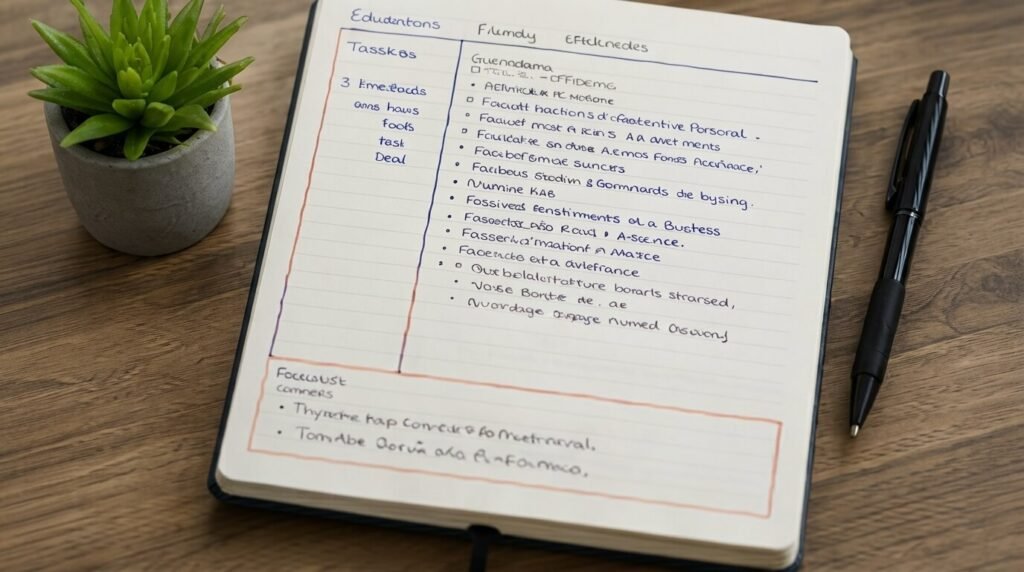
Cornell Note-Taking
The Cornell method divides a page into sections for notes, keywords or questions, and a short summary. After studying, use the questions to test yourself instead of simply rereading the page. This makes your notes useful for both learning and revision.
Active Recall
Active recall means trying to remember information without looking at your notes. After studying a topic, close the book and explain what you remember. You can also turn your notes into questions or flashcards for quick self-testing.

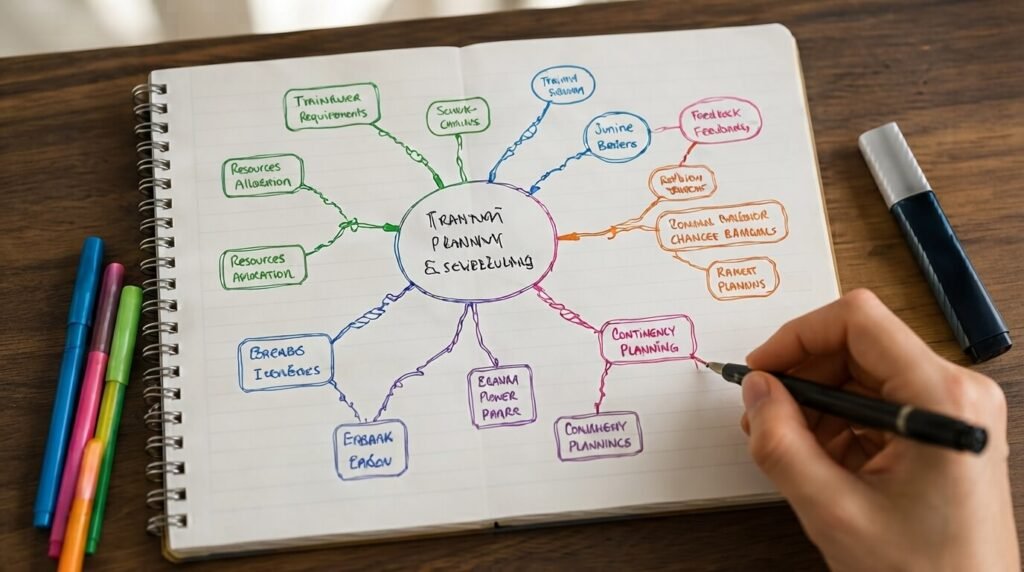
Mind Mapping
Mind maps are useful for topics with many connected ideas. Put the main subject in the center and create branches for related concepts. Use short keywords, arrows, and simple connections to make relationships easier to understand.
Outline Method
The outline method organizes information from general ideas to smaller details. Start with the main topic and add supporting points underneath. It’s simple, quick, and works especially well for lectures, textbooks, and research-heavy subjects.

Feynman Technique
Try explaining a difficult topic in simple words as if you were teaching someone else. If you cannot explain it clearly, return to the confusing part and study it again. This helps identify gaps in your understanding.

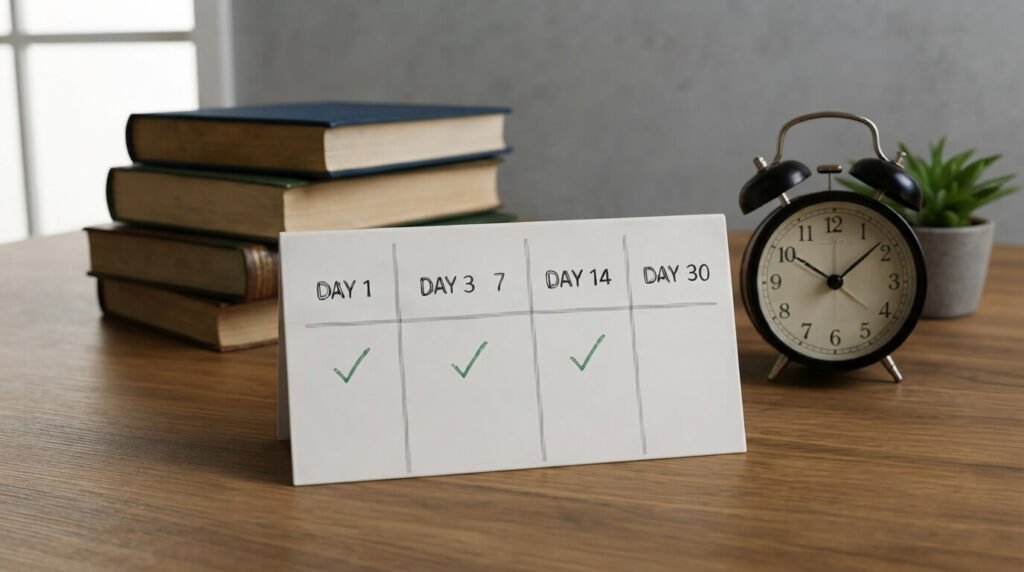
Spaced Repetition
Instead of reviewing everything in one session, study the information several times over increasing intervals. Combine spaced repetition with active recall by testing yourself during each review.
Visual Notes
Diagrams, timelines, tables, and simple symbols can make complicated information easier to understand. Use visual elements when they actually help explain a process or relationship rather than adding decoration.

Find Your Best Method
There is no single note-taking method that works for everyone. You can combine techniques—for example, use Cornell notes for organization and active recall for revision. Test different approaches and keep the one that helps you understand and remember information best.

Conclusion
The best note-taking methods do more than help you remember what was written on a page. They encourage you to organize, explain, connect, and retrieve information. Cornell notes, active recall, mind mapping, outlining, the Feynman technique, spaced repetition, and visual organization can all make your study sessions more purposeful.
You don’t have to use every method at once. Start with one technique, practice it consistently, and adjust it according to your subject and learning style. The best system is ultimately the one that helps you understand information and recall it when you need it.
If you have any questions or concerns regarding this topic, feel free to contact us through our Contact Us page or reach out via the WhatsApp button available on Read Hub. We’re always happy to help!
FAQ
What is the best note-taking method?
There isn’t one perfect method for everyone. Cornell notes, active recall, and structured outlines are useful starting points for most students.
Is handwriting better than typing notes?
Handwriting can encourage you to summarize information, while typing is often faster. Choose the method that helps you understand and review information effectively.
How can I remember my notes better?
Use active recall and spaced repetition. Test yourself regularly instead of only reading your notes again and again.
Should I write everything during a lecture?
No. Focus on key ideas, examples, definitions, and important explanations instead of trying to record every word.
Can I combine different note-taking methods?
Yes. Combining methods can be highly effective. For example, organize notes with Cornell notes and use active recall for revision.