

Knowing how to keep your cat happy and healthy is about more than providing food and a comfortable place to sleep. Cats need proper nutrition, regular activity, mental stimulation, grooming, a clean environment, and plenty of attention. Even small changes to their daily routine can make a noticeable difference in their well-being. Whether you have a playful kitten or an older cat, understanding their basic needs helps you build a healthier and happier life together. At Read Hub, we believe good pet care starts with simple habits that are easy to follow every day.
1. Feed a Balanced Diet
Good nutrition is one of the foundations of a healthy cat. Choose a complete and balanced cat food that matches your cat’s age and nutritional needs. Kittens, adults, and senior cats may require different diets.
Avoid making human food a regular part of your cat’s meals, especially foods that can be harmful to cats. Treats are fine in moderation, but they should not replace nutritious meals.

2. Encourage Daily Exercise
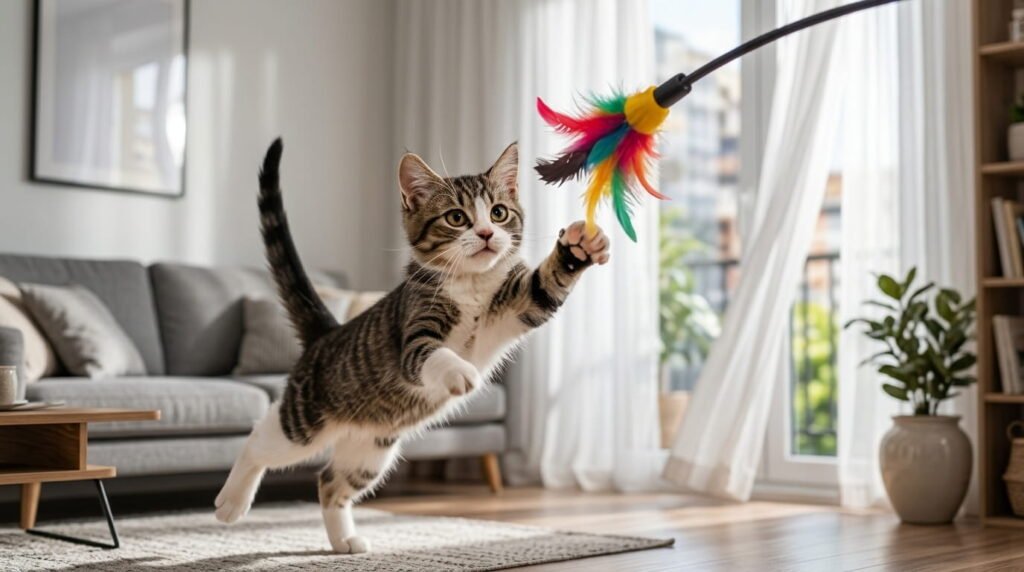
Cats need regular movement to maintain a healthy weight and stay active. Interactive toys, feather wands, balls, and short play sessions can encourage natural hunting behaviors.
Try setting aside a few minutes each day for active play. Indoor cats especially benefit from activities that keep them moving rather than sleeping all day.
3. Provide Mental Stimulation
A happy cat needs mental stimulation as well as physical exercise. Boredom can sometimes lead to unwanted behaviors such as excessive scratching or attention-seeking.
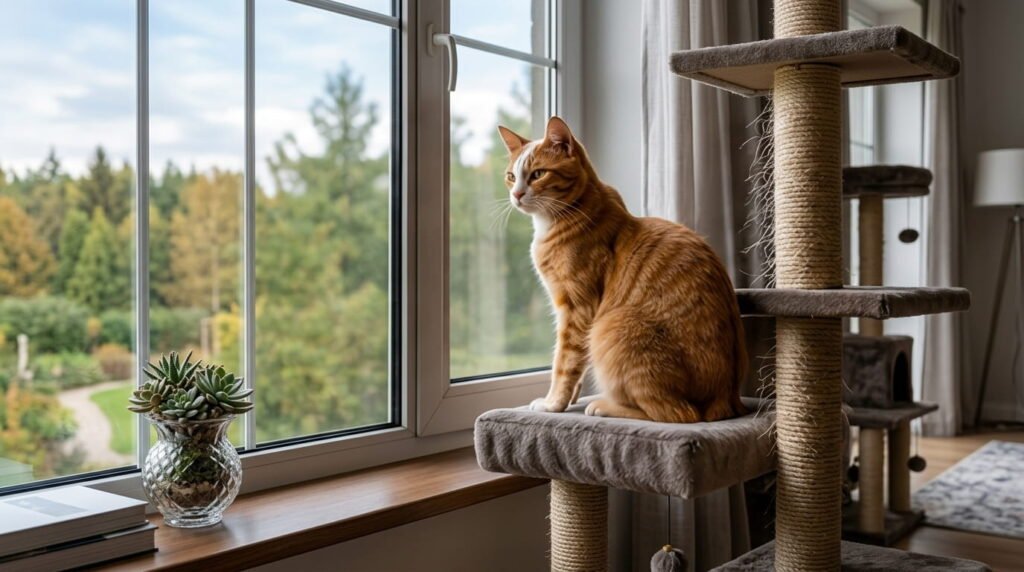
Puzzle feeders, climbing areas, window perches, and rotating toys can keep your cat interested. Changing toys occasionally can make familiar items feel new again.

4. Keep Grooming on Track
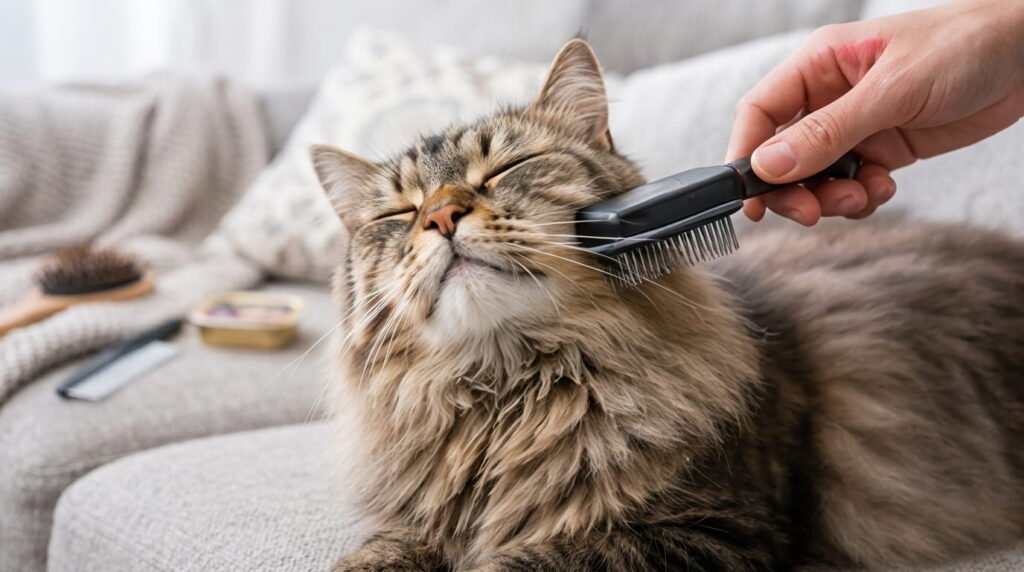
Regular grooming helps keep your cat’s coat clean and gives you an opportunity to notice changes in their skin, fur, ears, or paws.
Long-haired cats usually need more frequent brushing to prevent mats and tangles. Even short-haired cats can benefit from occasional brushing. Keep nail trimming gentle and avoid forcing your cat if they become frightened.
5. Maintain a Clean Environment
Cats are naturally clean animals. A dirty litter box can make them uncomfortable and may even cause them to avoid it.
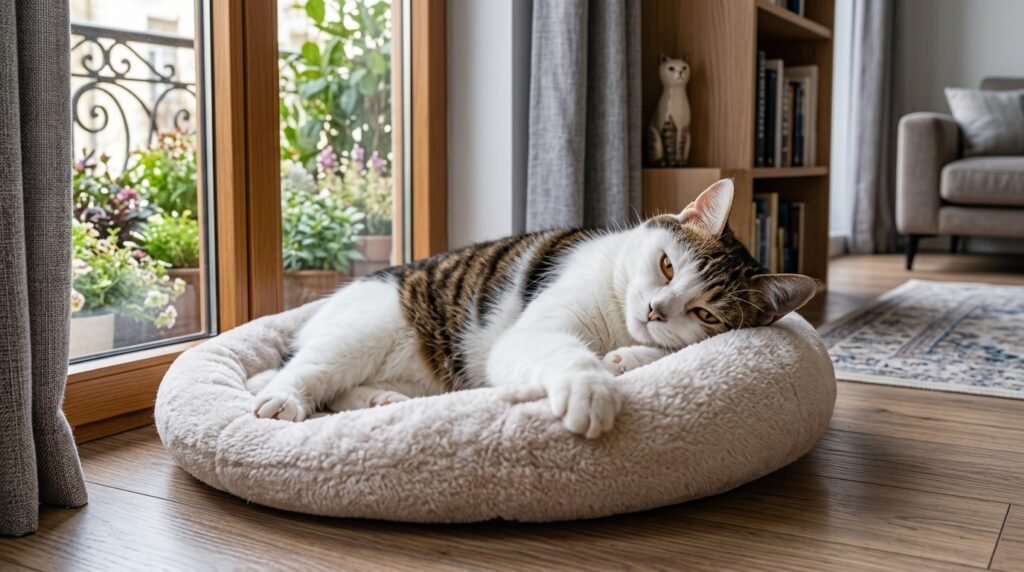
Scoop the litter box regularly and keep food and water areas clean. Give your cat a quiet, comfortable place to sleep and make sure their living area is free from dangerous objects or substances.

6. Schedule Regular Veterinary Care
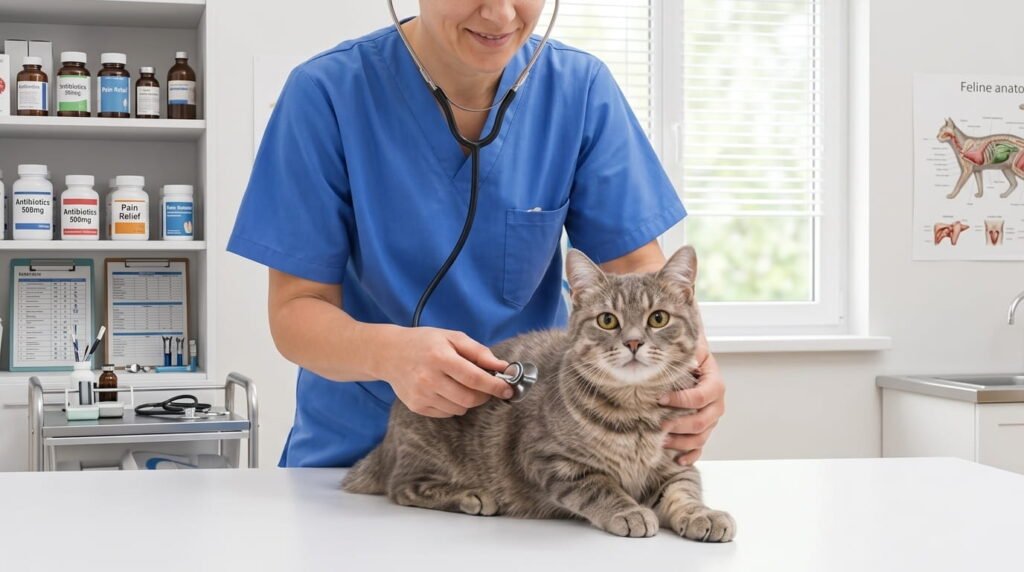
Regular veterinary checkups can help detect health problems before they become serious. Vaccinations, parasite prevention, dental care, and weight monitoring are important parts of responsible cat ownership.
You should also contact a veterinarian if you notice major changes in appetite, drinking, energy, bathroom habits, breathing, or behavior.
7. Give Your Cat a Safe Home
Your home should be a place where your cat can explore without unnecessary risks. Keep toxic plants, chemicals, medications, and small dangerous objects out of reach.
Secure windows and balconies, and be careful with electrical cords. If your cat spends time outdoors, consider ways to reduce exposure to traffic, fights, parasites, and other hazards.
8. Pay Attention to Behavior
Cats often communicate through subtle changes in behavior. Hiding more than usual, becoming unusually aggressive, losing interest in play, or suddenly changing eating habits can sometimes indicate stress or illness.
Instead of ignoring these changes, observe your cat closely and seek professional advice when necessary. Knowing your cat’s normal routine makes unusual behavior easier to recognize.
9. Show Affection and Respect Their Space
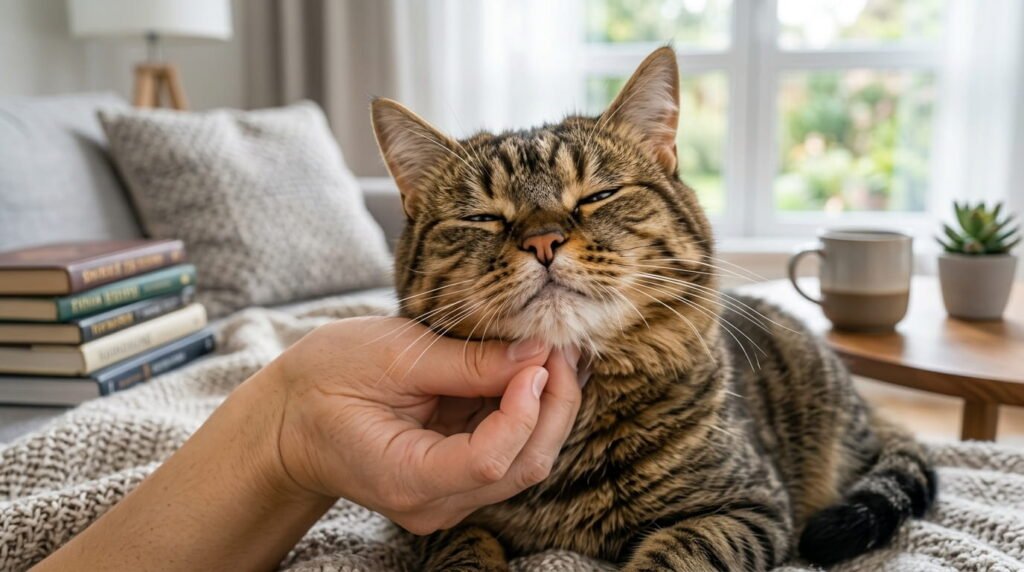
Cats have different personalities. Some enjoy being held and cuddled, while others prefer sitting nearby without being touched.
Spend time with your cat through gentle play, talking, brushing, or simply sitting together. Let your cat approach you when possible. Respecting their boundaries can build trust and make them feel secure.
10. Keep Fresh Water Available
Fresh water should always be available. Some cats do not drink enough on their own, so keeping multiple clean water bowls around the home can encourage better hydration.
You can also ask your veterinarian whether wet food may be appropriate for your cat’s individual needs. Wash water bowls regularly and replace stale water with fresh water each day.

Conclusion
Learning how to keep your cat happy and healthy does not require complicated routines. A nutritious diet, daily play, proper grooming, fresh water, a clean home, veterinary care, and plenty of patience can make a major difference.
Most importantly, get to know your cat’s normal habits and personality. When you notice changes early and respond with proper care, you can help your companion enjoy a healthier and more comfortable life. Read Hub is here to provide practical information that helps pet owners make better everyday decisions.
If you have any questions or concerns regarding this topic, feel free to contact us through our Contact Us page or reach out via the WhatsApp button available on Read Hub. We’re always happy to help!
FAQ
How can I keep my cat happy at home?
Provide nutritious food, fresh water, regular playtime, clean litter, safe resting areas, mental stimulation, and affection according to your cat’s personality.
How often should I play with my cat?
Short interactive play sessions every day are a good starting point. Adjust the amount according to your cat’s age, health, and energy level.
What are signs that a cat may be unhealthy?
Changes in appetite, weight, energy, bathroom habits, grooming, breathing, or normal behavior can be warning signs that deserve attention.
Do indoor cats need exercise?
Yes. Indoor cats still need physical activity and mental stimulation to maintain a healthy weight and avoid boredom.
How often should my cat see a veterinarian?
The appropriate schedule depends on your cat’s age, health, and individual needs. Your veterinarian can recommend a suitable checkup and vaccination schedule.