
Starting your first garden can feel overwhelming, but it doesn’t have to be. Whether you have a spacious backyard, a small patio, or just a sunny balcony, gardening is one of the most rewarding hobbies you can enjoy. It provides fresh vegetables, colorful flowers, cleaner air, and a relaxing escape from daily stress. The key is knowing where to begin and choosing plants that suit your climate and experience level.
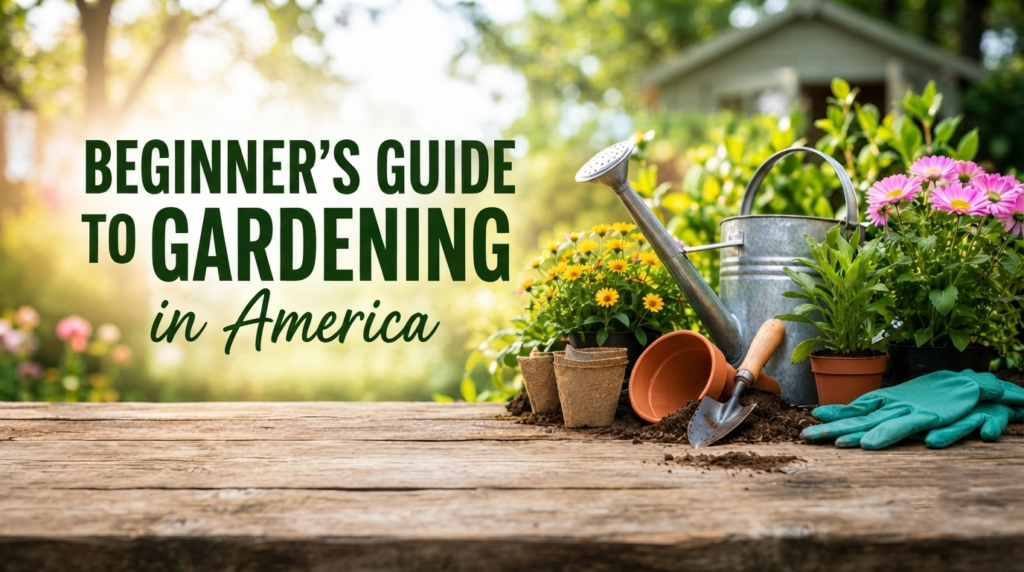
In this Beginner’s Guide to Gardening in America, Read Hub walks you through the essential steps every new gardener should know. From selecting the perfect location to understanding soil and watering, these practical tips will help you grow a healthy, thriving garden with confidence.
Why Gardening Is Worth Starting
Gardening offers far more than beautiful plants. It encourages a healthier lifestyle, reduces stress, supports local wildlife, and even saves money on groceries when growing fruits and vegetables. Spending time outdoors also improves both physical and mental well-being.
For beginners, gardening teaches patience and provides the satisfaction of watching something grow from seed to harvest. Even a few containers filled with herbs can make cooking more enjoyable while boosting your confidence as a new gardener.
Choose the Right Gardening Location
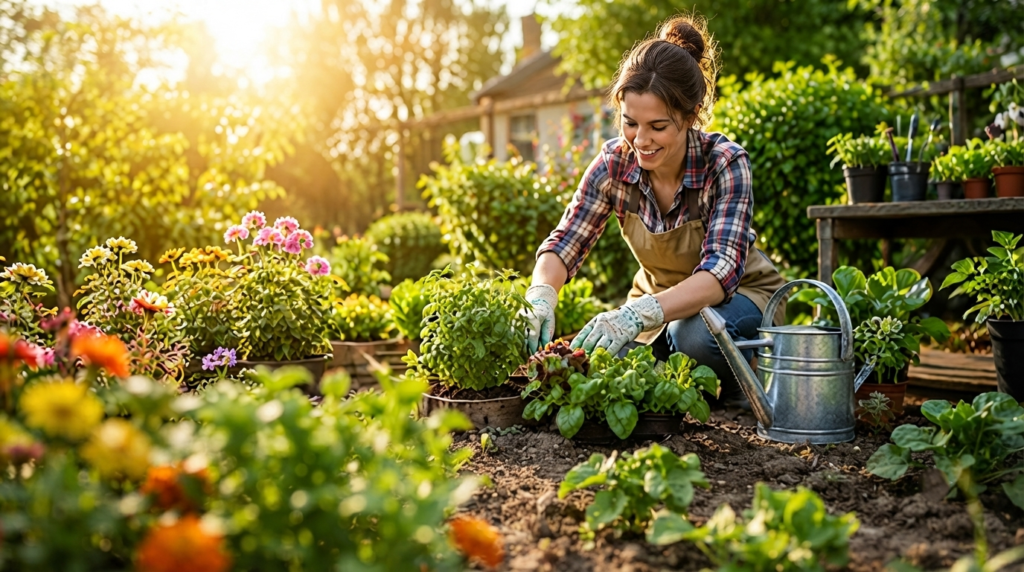
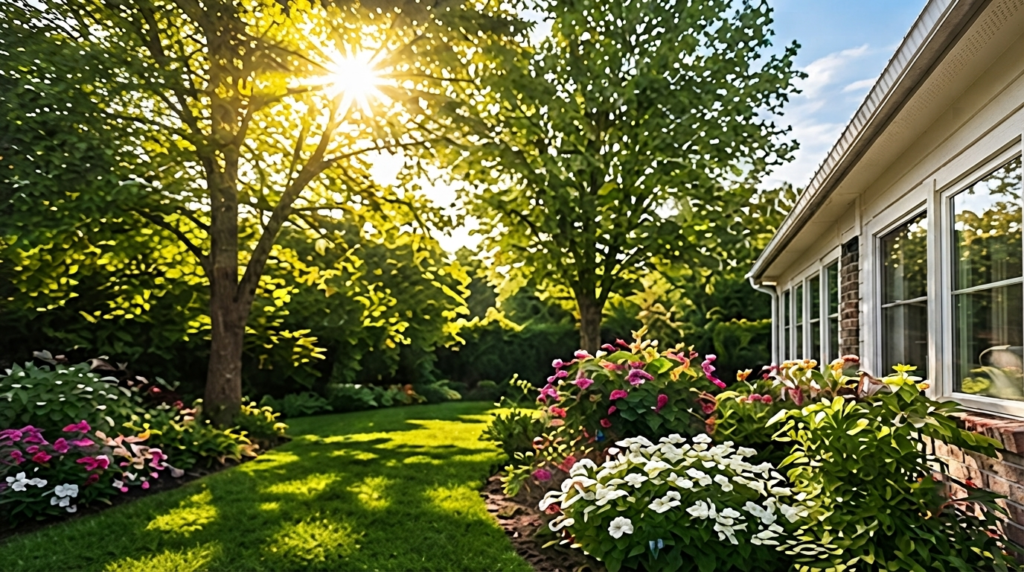
One of the biggest mistakes beginners make is planting in the wrong location. Most vegetables, herbs, and flowering plants need 6–8 hours of direct sunlight each day to grow properly. Before planting anything, spend a few days observing how much sunlight different areas of your yard or balcony receive.
Also, choose a location with good drainage. Standing water can damage plant roots and increase the risk of diseases. If space is limited, container gardening on a balcony or patio is an excellent alternative.
Quick Tip: Start small. A garden with just a few raised beds or containers is much easier to manage than a large plot.
Know Your USDA Hardiness Zone
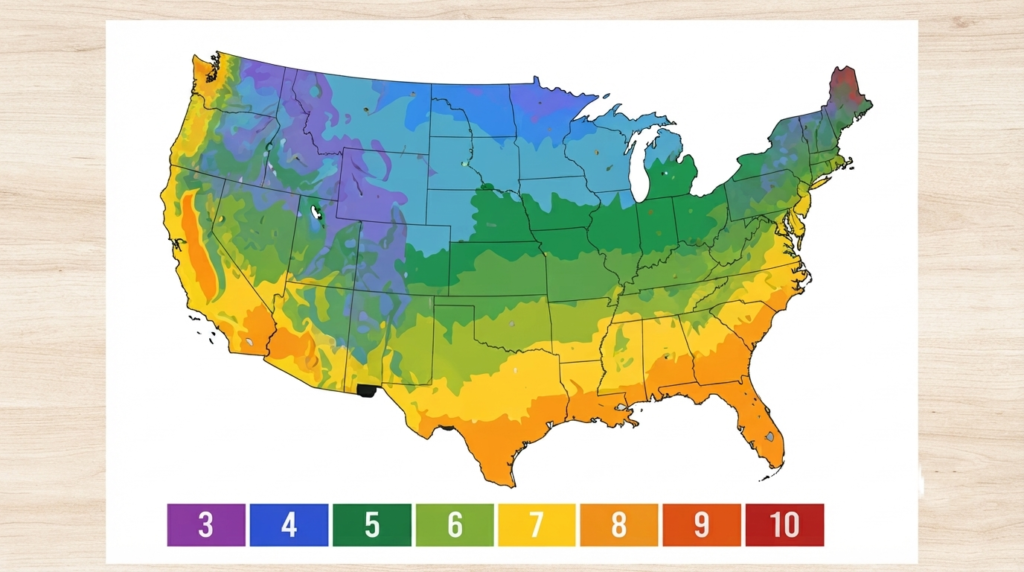
America has a wide range of climates, so understanding your USDA Hardiness Zone is essential before buying plants. These zones indicate which plants are most likely to thrive in your area based on average winter temperatures.
Choosing plants suited to your zone improves their chances of surviving seasonal changes and producing healthy growth. Local garden centers often label plants according to USDA zones, making it easier to select the right varieties.
Popular beginner-friendly plants include:
- Tomatoes
- Lettuce
- Spinach
- Basil
- Mint
- Marigolds
- Zinnias
- Sunflowers
Prepare Healthy Soil
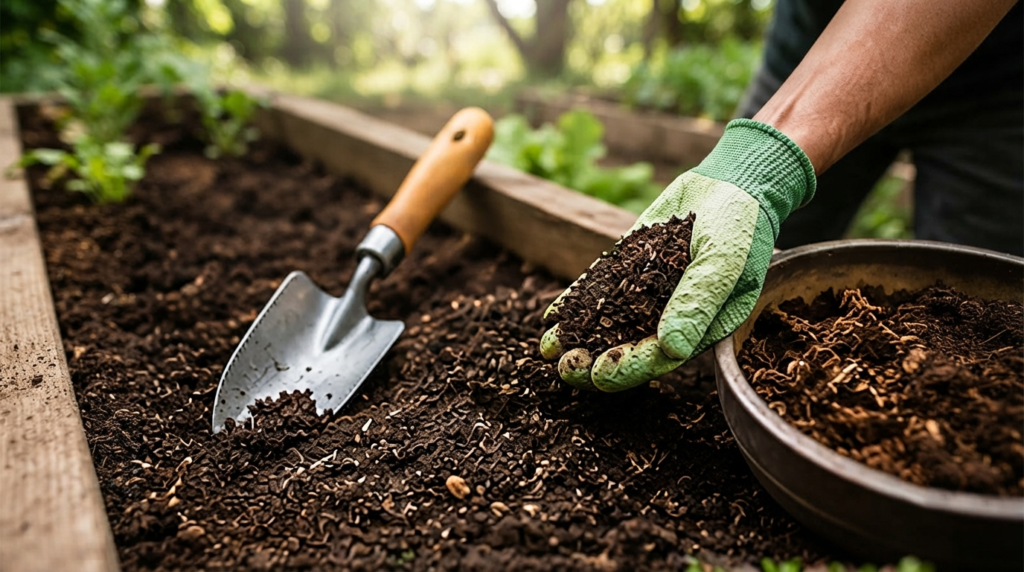
Healthy soil is the foundation of every successful garden. Before planting, loosen the soil and mix in compost or well-rotted organic matter to improve nutrients, drainage, and moisture retention. Rich, healthy soil encourages stronger root development and healthier plants.
If you’re unsure about your soil quality, consider using raised garden beds or high-quality potting mix for containers. Testing your soil’s pH can also help you understand which plants will grow best in your garden.
Soil Preparation Checklist:
- Remove weeds and rocks.
- Add compost or organic fertilizer.
- Improve drainage if necessary.
- Test soil pH when possible.
- Keep soil loose and well-aerated.
Pick Beginner-Friendly Plants
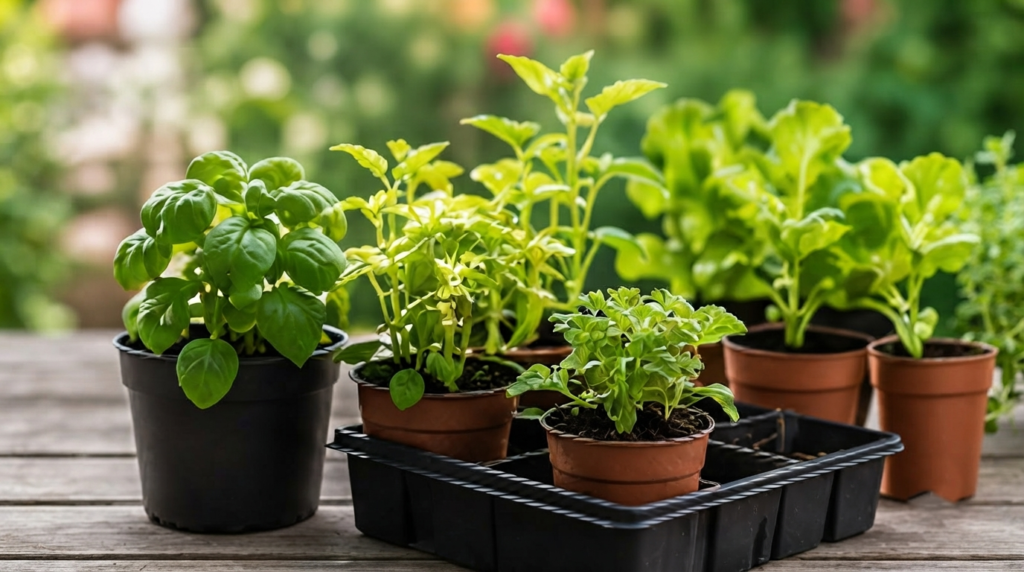
Choosing easy-to-grow plants is one of the best ways to enjoy early gardening success. Hardy vegetables, herbs, and flowers require less maintenance while helping you learn essential gardening skills.
For vegetables, tomatoes, lettuce, radishes, green beans, and cucumbers are excellent choices. Herbs such as basil, parsley, chives, and mint grow quickly and can even thrive in small containers. If you prefer flowers, marigolds, zinnias, and sunflowers add vibrant color while attracting helpful pollinators like bees and butterflies.
Instead of planting a wide variety of plants at once, focus on a handful of reliable plants. As your confidence grows, you can gradually expand your garden with more challenging crops and ornamental plants.
Understand Watering Basics
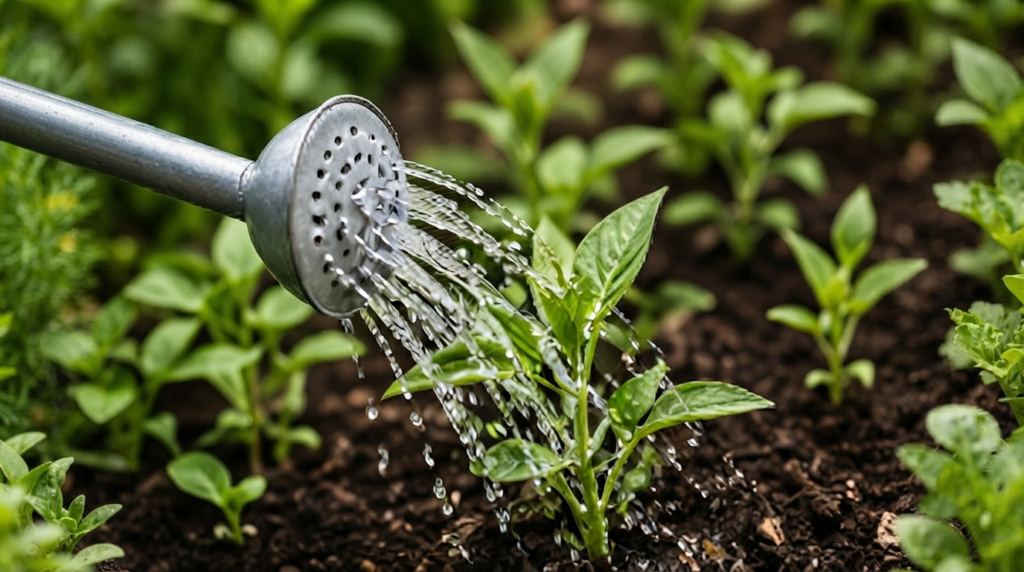
Watering is one of the most important parts of successful gardening, yet it’s also where many beginners make mistakes. Plants grow best when they receive consistent moisture rather than frequent light watering. Water deeply so the roots grow stronger and become more drought-resistant.
The best time to water is early in the morning, allowing excess moisture on the leaves to dry before evening. This helps reduce the risk of fungal diseases while keeping plants healthy during warmer hours.
Watering Tips:
- Water early in the morning.
- Check the soil before watering.
- Avoid overwatering.
- Use mulch to retain moisture.
- Water the roots, not the leaves.
Common Beginner Gardening Mistakes
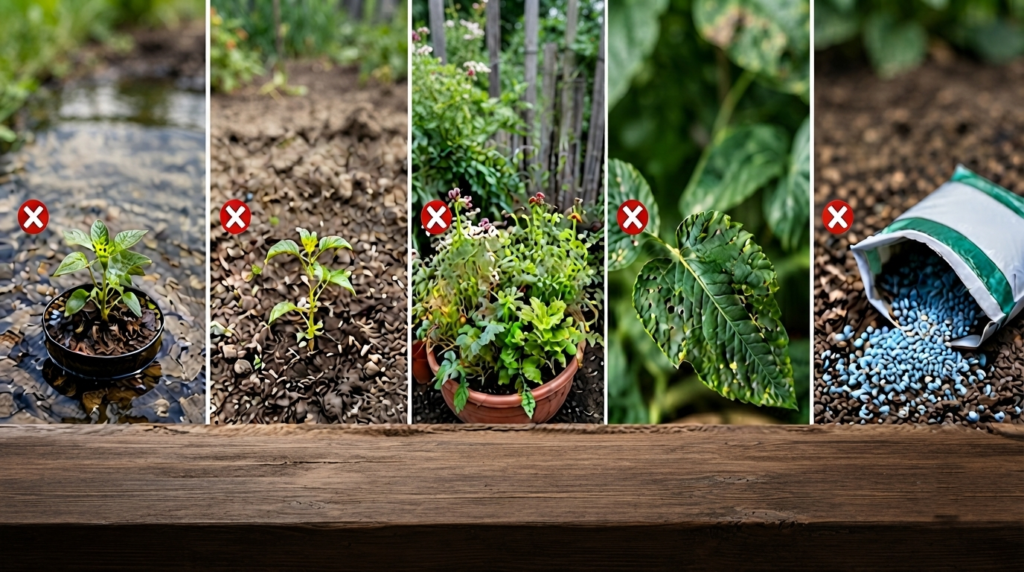
Every gardener makes mistakes, especially when starting out. Fortunately, most are easy to avoid with a little planning. Overwatering, overcrowding plants, and choosing varieties that don’t match your climate are among the most common issues.
Take time to read plant labels, provide enough spacing, and regularly inspect your garden for weeds or pests. Small adjustments early on can prevent bigger problems later and help your plants thrive throughout the season.
Essential Gardening Tools
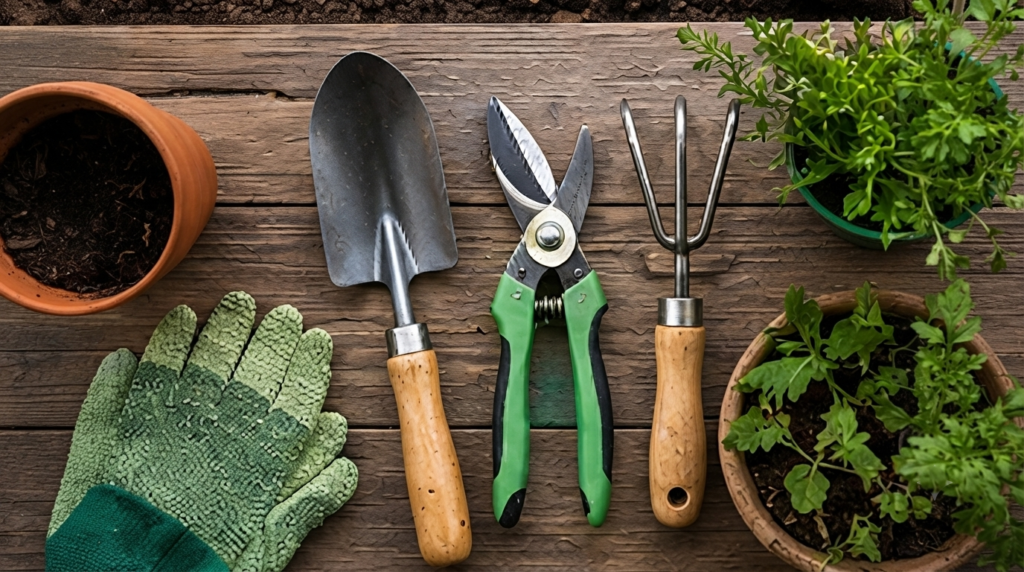
You don’t need expensive equipment to begin gardening. A few reliable tools are enough to handle most everyday tasks and make gardening much more enjoyable.
Must-Have Gardening Tools:
- Hand trowel
- Garden gloves
- Watering can or hose
- Hand pruners
- Garden fork
- Rake
- Wheelbarrow (for larger gardens)
Investing in quality tools will save time and make planting, watering, pruning, and harvesting much easier.
Seasonal Gardening Tips
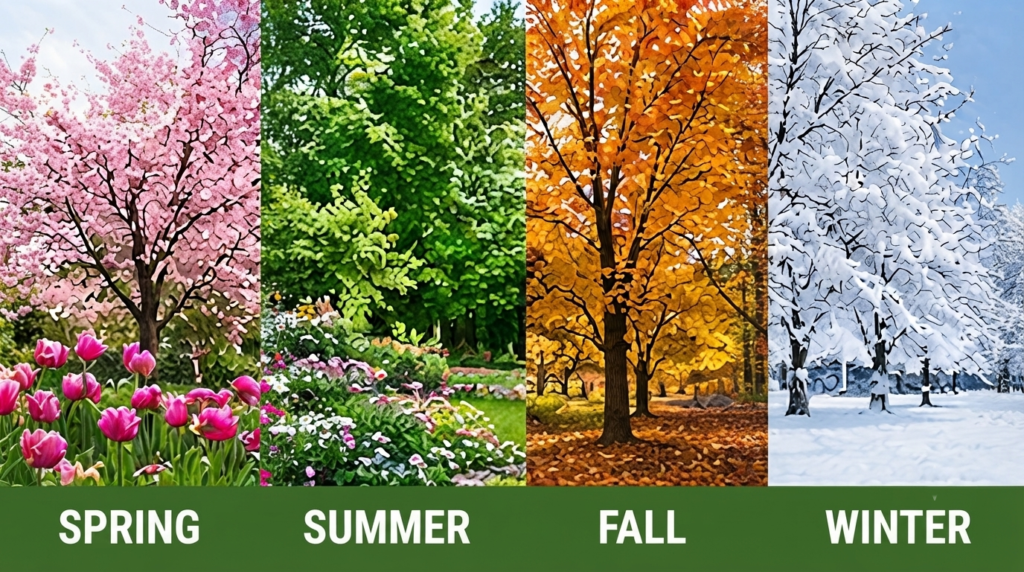
Successful gardening changes with the seasons. Spring is ideal for planting vegetables, herbs, and flowers, while summer focuses on watering, feeding, and pest control. During autumn, harvest remaining crops, add compost, and prepare garden beds for winter. Winter is a great time to clean tools, plan next year’s garden, and start seeds indoors if your climate allows.
Following seasonal tasks helps keep your garden productive all year and prepares your plants for healthy future growth.
Conclusion
Starting a garden doesn’t require years of experience—just the willingness to learn and care for your plants. By choosing the right location, improving your soil, selecting beginner-friendly plants, and following simple watering and maintenance practices, you’ll build a garden that grows stronger each season.
At Read Hub, we believe gardening should be enjoyable, rewarding, and accessible to everyone. With patience and consistency, even first-time gardeners can create a beautiful outdoor space filled with healthy flowers, herbs, and vegetables.
If you have any questions or concerns regarding this topic, feel free to contact us through our Contact Us page or reach out via the WhatsApp button available on Read Hub. We’re always happy to help!
FAQ
1. What is the easiest plant for beginners to grow?
Herbs like basil, mint, and parsley, along with vegetables such as lettuce, radishes, and tomatoes, are excellent choices for beginners. They grow quickly, require simple care, and help new gardeners build confidence.
2. How often should I water my garden?
Most gardens need watering one to three times a week, depending on the weather and soil type. Check the soil regularly and water deeply when the top inch feels dry rather than watering on a fixed schedule.
3. What is the best season to start gardening in America?
Spring is generally the best season to start gardening in most parts of America. The warmer temperatures and longer days create ideal conditions for planting vegetables, herbs, flowers, and many other beginner-friendly plants.
4. Do I need a backyard to start gardening?
No. Many plants grow successfully in containers placed on balconies, patios, or sunny windowsills. Container gardening is a great option for beginners who have limited outdoor space but still want to grow fresh herbs, vegetables, or flowers.
5. Why is knowing my USDA Hardiness Zone important?
Your USDA Hardiness Zone helps you choose plants that are suitable for your local climate. Selecting plants adapted to your zone improves their chances of healthy growth, better yields, and long-term survival throughout the seasons.