

Choosing a family car is about much more than finding enough seats. The best family cars should make everyday life easier while providing strong safety, useful space, comfortable seating, and technology that genuinely helps. Whether you’re driving children to school, heading out for a weekend trip, or simply handling grocery runs, the right vehicle can make every journey less stressful.
Safety should always be the starting point, but comfort, cargo capacity, fuel economy, and ease of use matter too. In this guide, Read Hub looks at what makes a family vehicle a smart choice and highlights several models worth considering in the U.S. market.
1. What Makes a Great Family Car?
A good family car needs to balance several priorities. Safety is naturally at the top of the list, but it shouldn’t be the only consideration.
Parents and caregivers should also think about how easily children can get in and out, whether car seats fit properly, how much luggage the vehicle can carry, and whether passengers have enough room for longer journeys.
Body style also makes a difference. A sedan may be efficient and easy to drive, while an SUV can offer additional cargo room and a higher seating position. Families who regularly carry several passengers may prefer a three-row SUV or minivan.
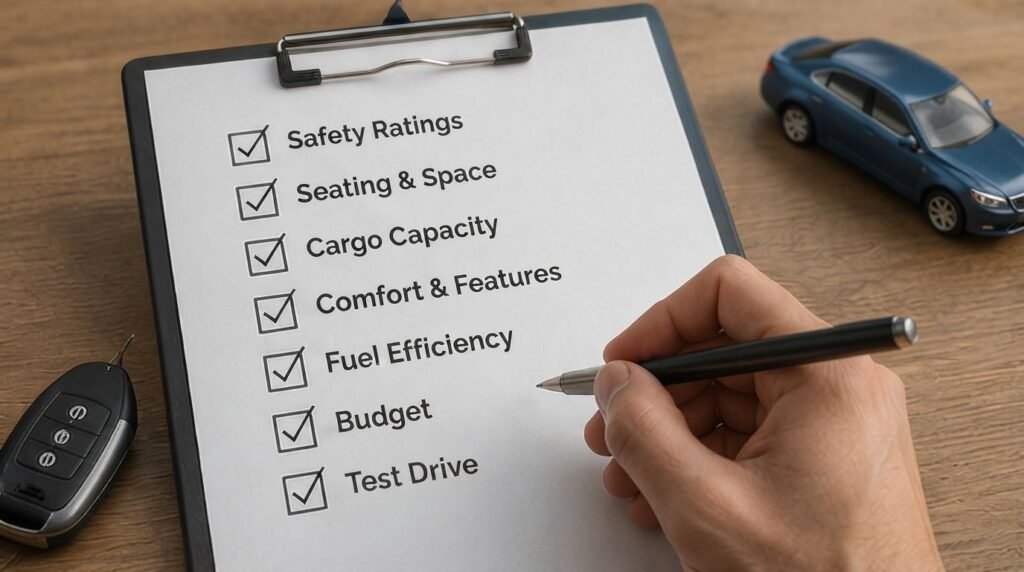
Before buying, make a simple list of your family’s everyday needs. That can quickly narrow down the choices.
2. Best Family Cars for Safety
When comparing the best family cars, look beyond marketing claims and check independent crash-test results.
The Insurance Institute for Highway Safety (IIHS) evaluates vehicles for crashworthiness and crash-avoidance performance. Its 2026 Top Safety Pick+ list includes family-friendly options such as the Honda Passport, Hyundai Palisade, Hyundai Santa Fe, Kia Sorento, Subaru Ascent, and Subaru Outback.
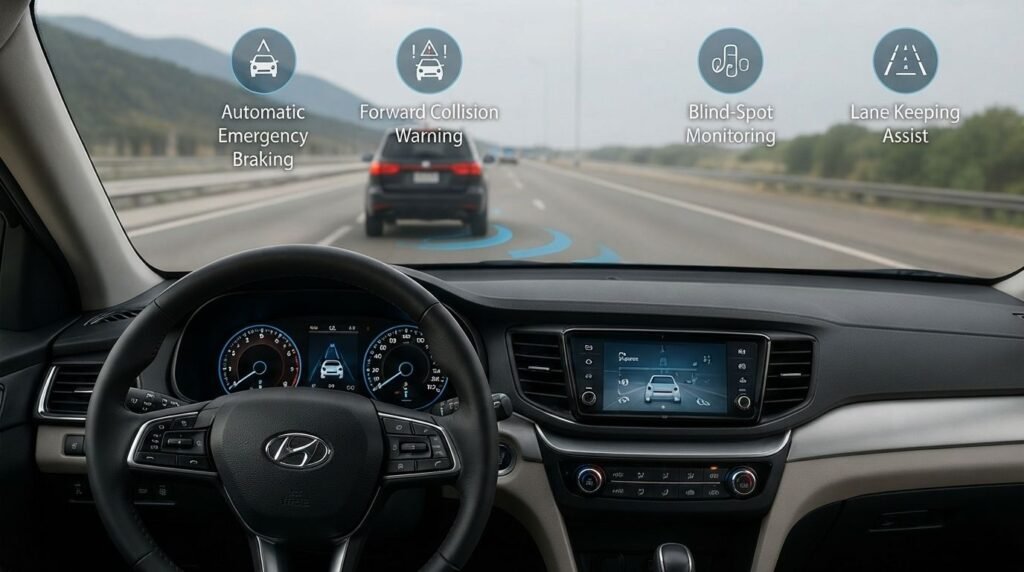
Important safety features to look for include:
- Automatic emergency braking
- Forward collision warning
- Blind-spot monitoring
- Lane-departure or lane-keeping assistance
- Rear cross-traffic alert
- Adaptive cruise control
- Strong headlights
- Good child-seat accessibility
NHTSA’s 5-Star Safety Ratings are another useful resource when researching vehicles. The agency’s 2026 testing program includes numerous SUVs, sedans, and family-oriented vehicles.
Remember that a safety rating is only one part of the decision. Always check the rating for the exact model year and configuration you’re considering.
3. Space and Seating Matter
A family vehicle can have excellent safety technology and still become frustrating if there’s not enough room.
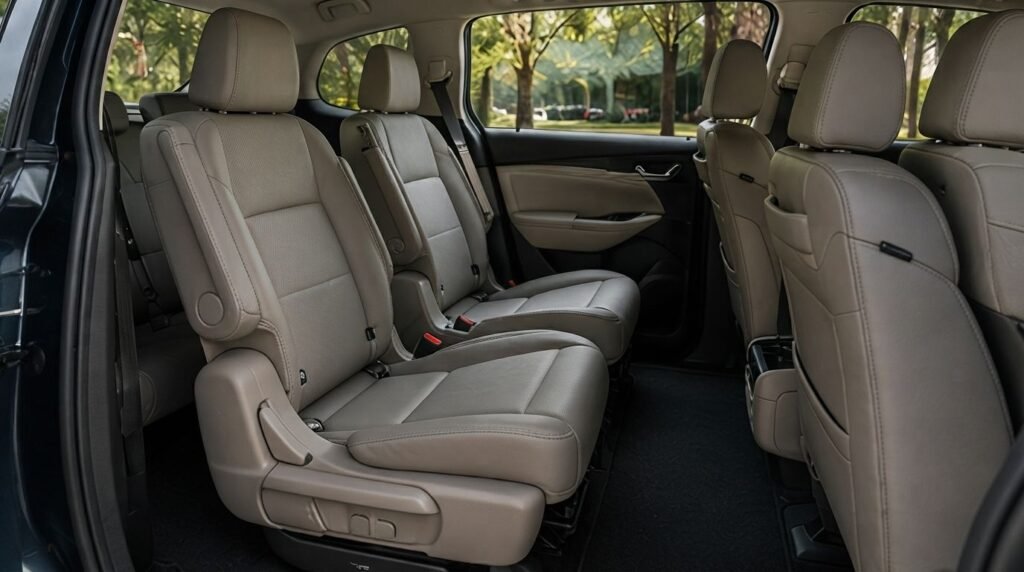
Think about your real-life passenger needs. Two children with car seats may require considerably more rear-seat space than their ages suggest. Families with older children should also check legroom and shoulder room because cramped seating becomes especially noticeable on long trips.
Cargo capacity is equally important. Strollers, backpacks, sports equipment, groceries, and luggage can quickly fill a small trunk.
For larger families, three-row SUVs can provide useful flexibility. Models such as the Hyundai Palisade, Kia Sorento, Subaru Ascent, and Hyundai Ioniq 9 are among the current midsize SUVs receiving strong IIHS safety recognition.
A practical tip: take your car seats, booster seats, or other regularly used equipment with you during a test drive. A vehicle that looks spacious on paper may feel very different in practice.
4. Comfort for Everyday Driving
Comfort becomes especially important when a car is used every day.
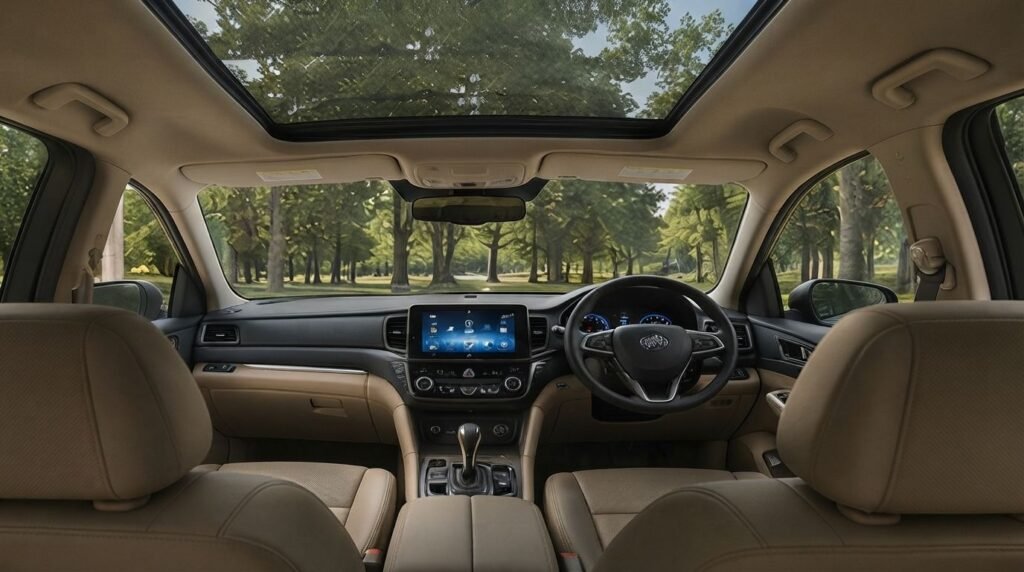
Look for supportive seats, simple controls, good visibility, useful climate controls, and enough storage for small items. Rear passengers may appreciate USB charging ports, adjustable air vents, and comfortable seating.
Ride quality also deserves attention. A family car shouldn’t feel tiring during a long drive or excessively difficult to maneuver around town.
Don’t overlook technology, either. A straightforward infotainment system with smartphone connectivity can be more useful than a complicated setup filled with features nobody uses.
For families choosing between an SUV and sedan, consider where and how you drive. A sedan such as the 2026 Toyota Camry has earned IIHS Top Safety Pick+ recognition, showing that families don’t necessarily need a large SUV to prioritize safety.
5. Choosing the Right Family Car
There isn’t one perfect family car for everyone. The right choice depends on your household, budget, driving habits, and space requirements.
Start by deciding how many passengers you regularly carry. Then consider your typical trips, parking situation, fuel or charging needs, and the amount of cargo you usually transport.
Next, compare independent safety ratings and standard driver-assistance features. It’s worth paying attention to what comes standard rather than assuming every trim level has identical equipment.
Finally, schedule a proper test drive. Check rear-seat access, visibility, cargo space, car-seat fit, driving position, and how easy the controls are to use.
A slightly smaller vehicle that fits your lifestyle may be a better purchase than a large SUV that you rarely need.
Conclusion
The best family cars combine safety, practical space, and everyday comfort rather than focusing on one feature alone. Independent safety ratings from organizations such as IIHS and NHTSA can help you create a shortlist, while a real-world test drive can reveal whether a vehicle actually works for your family.
From well-equipped sedans to spacious SUVs, there are plenty of strong choices available. Take your time, compare the exact model years and trims, and choose the vehicle that fits your family’s daily routine. For more practical buying and lifestyle guides, keep exploring Read Hub.
If you have any questions or concerns regarding this topic, feel free to contact us through our Contact Us page or reach out via the WhatsApp button available on Read Hub. We’re always happy to help!
FAQ
What is the most important feature in a family car?
Safety should be the first priority. Look for strong independent crash-test performance and standard driver-assistance features such as automatic emergency braking and blind-spot monitoring.
Are SUVs better family cars than sedans?
Not necessarily. SUVs often provide more cargo and passenger space, but a well-rated sedan can offer excellent safety, comfort, efficiency, and easier handling.
How many seats should a family car have?
That depends on your household. Families with two or three children may find a five-seat vehicle sufficient, while larger families may benefit from a three-row SUV or minivan.
What should I check during a family-car test drive?
Check passenger space, car-seat fit, cargo capacity, visibility, seating comfort, controls, rear-seat access, and overall driving feel.
Where can I check vehicle safety ratings?
IIHS and NHTSA are two authoritative U.S. sources for researching vehicle safety and crash-test information.