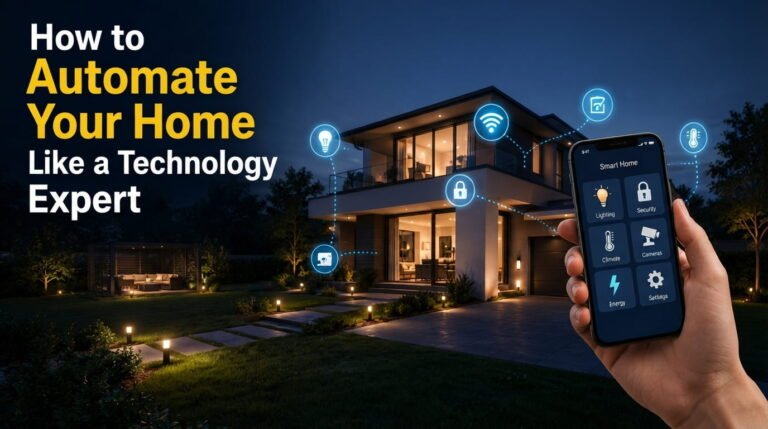

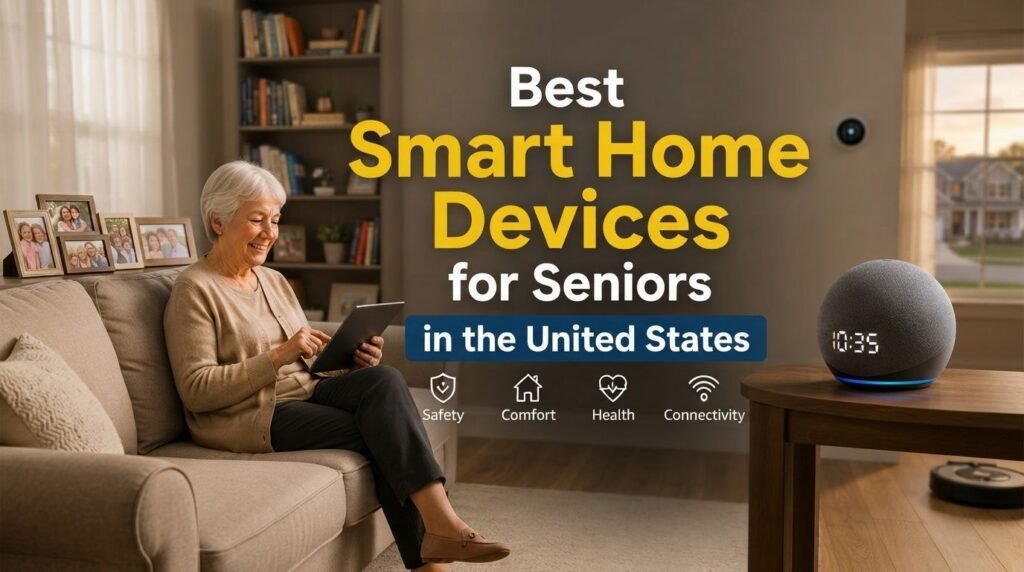
The best smart home devices for seniors aren’t necessarily the most advanced gadgets on the market. The right technology should make everyday life easier, safer, and less complicated. For older adults who want to continue living independently, simple tools such as voice assistants, smart lighting, video doorbells, smart plugs, and emergency devices can remove small daily obstacles.
The goal isn’t to turn a home into a complicated technology lab. Instead, it’s about choosing devices that solve real problems—such as reaching a light switch, answering the door, remembering appointments, or getting help during an emergency. The National Institute on Aging recommends thoughtful planning and home modifications to support safe aging in place, while AARP highlights smart technology as one way technology can support independence.
Smart Speakers and Voice Assistants
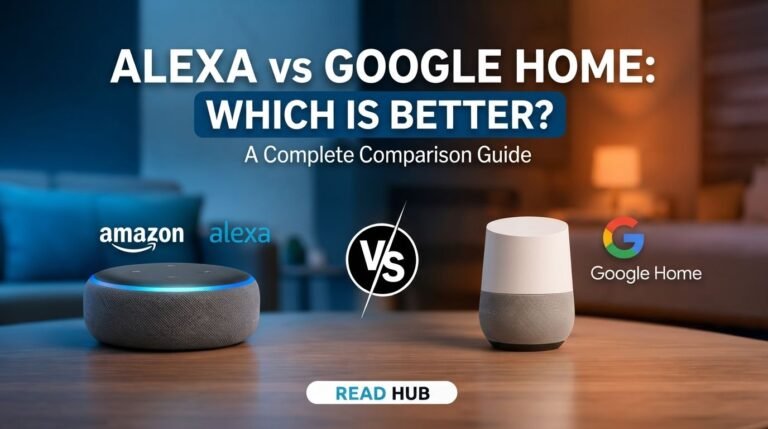
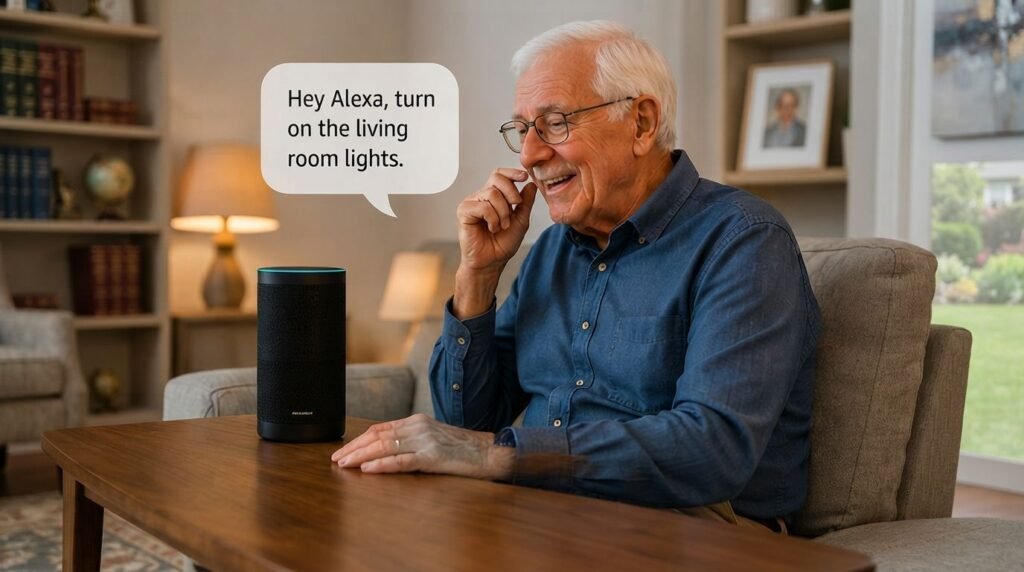
A smart speaker is one of the easiest places to start. Devices such as Amazon Echo with Alexa or Google Nest products allow users to control certain functions with simple voice commands.
For seniors, the biggest advantage is hands-free access. Instead of searching for a phone or walking across the room, a user can ask the assistant to set a reminder, check the weather, play music, or control compatible lights.
Voice assistants can also be useful for staying connected with family members. However, features such as calling and emergency assistance should be configured carefully and tested before relying on them.
Best for: Seniors who want simple, hands-free control.
Smart Lights and Motion Sensors
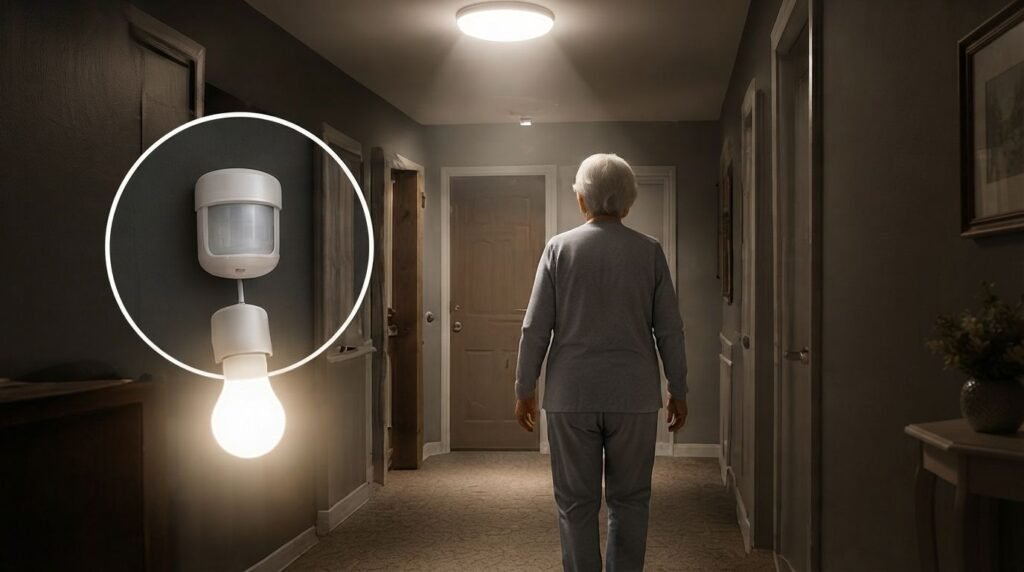
Good lighting can make a major difference in an older person’s home. The National Institute on Aging specifically recommends adequate lighting and reducing fall hazards as part of making homes safer for older adults.
Smart bulbs and motion-activated lights can automatically illuminate hallways, bedrooms, stairways, and bathrooms. This can be especially convenient during nighttime trips when reaching for a switch may be difficult.
Look for bulbs that are easy to control and systems that can operate automatically. A simple setup is often better than a system requiring several different apps.
Best for: Nighttime visibility and convenient lighting control.
Video Doorbells
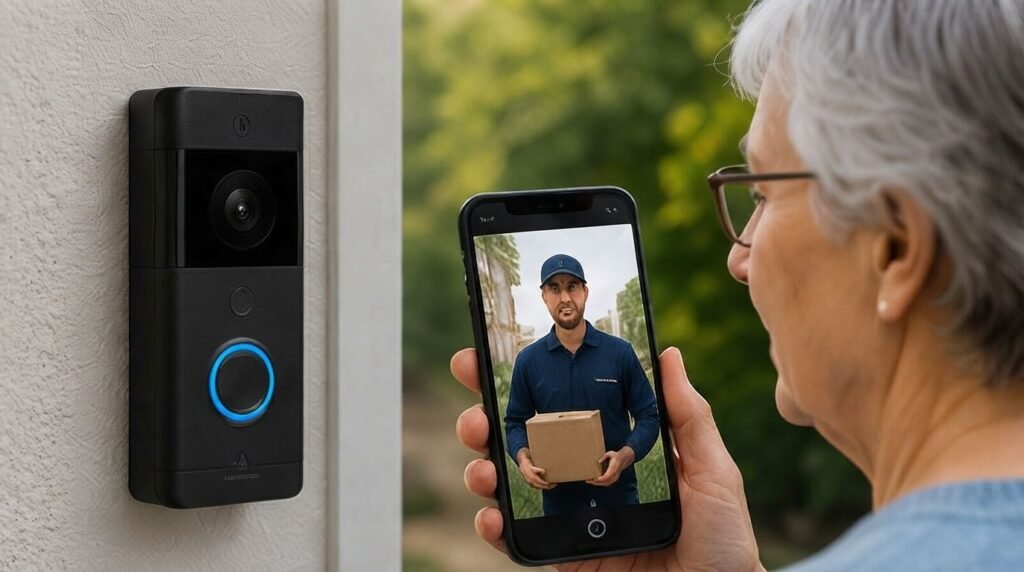
A video doorbell can let a senior see who is outside before opening the door. Many models provide smartphone alerts and two-way communication, allowing users to speak with visitors without immediately going to the entrance.
This can be particularly useful for deliveries and unexpected visitors. AARP includes video doorbells among smart-home technologies that can contribute to convenience and security for older adults.
When choosing one, consider the camera’s viewing angle, notification system, installation method, and whether a subscription is required for important features.
Best for: Front-door awareness and added convenience.
Smart Plugs
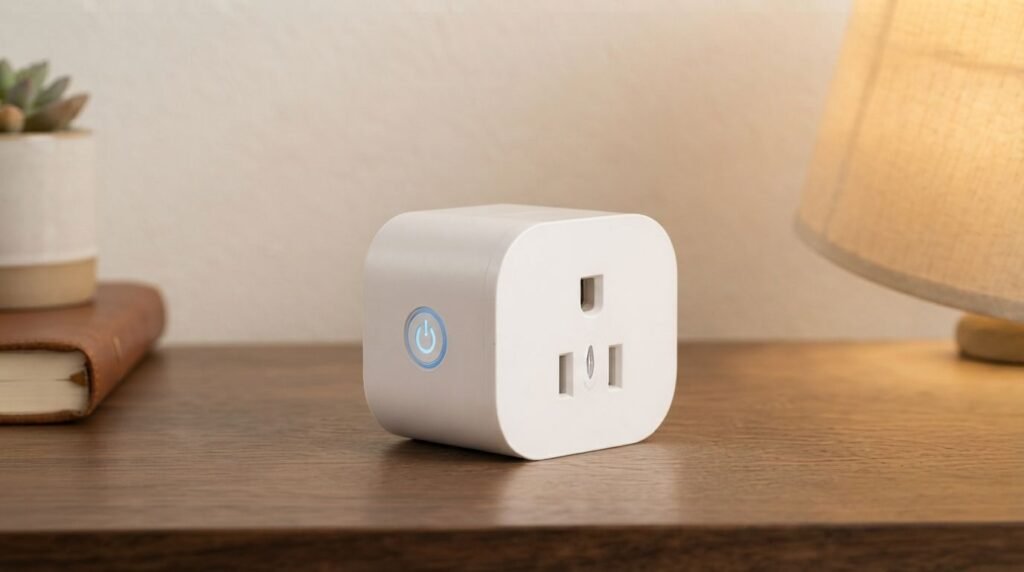
Smart plugs are inexpensive compared with many other smart-home products and can make ordinary appliances easier to control.
For example, a lamp connected to a smart plug can potentially be switched on through an app or compatible voice assistant. A senior can control the lamp without reaching behind furniture or walking across a dark room.
However, smart plugs should be used carefully. Avoid automatically controlling appliances when doing so could create a fire or other safety risk. Always follow the manufacturer’s instructions.
Best for: Lamps and other suitable small household devices.
Smart Locks and Home Security
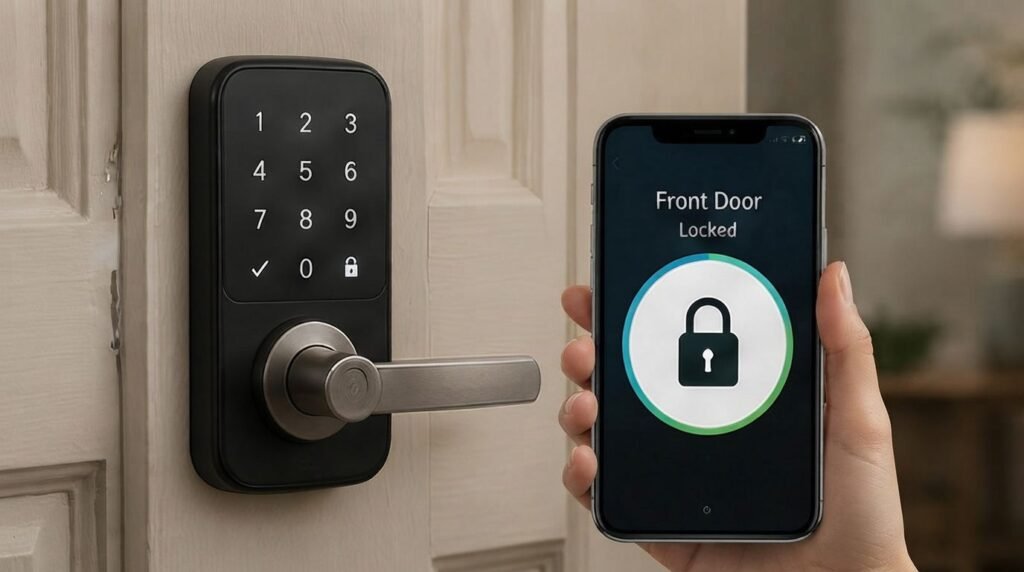
Smart locks can provide keyless entry through methods such as a keypad, smartphone, or other supported access system. This can be convenient for seniors who struggle with traditional keys.
They can also be useful for trusted family members or caregivers when appropriate access needs to be arranged. Some systems allow temporary or individual access codes.
Security cameras and smart alarm systems can provide another layer of awareness. However, privacy should always be considered, especially when cameras are installed inside the home.
AARP notes that smart security technology can help families understand patterns at home, but technology should support—not replace—real human interaction and caregiving.
Best for: Convenient entry and home-security awareness.
Fall Detection and Emergency Devices
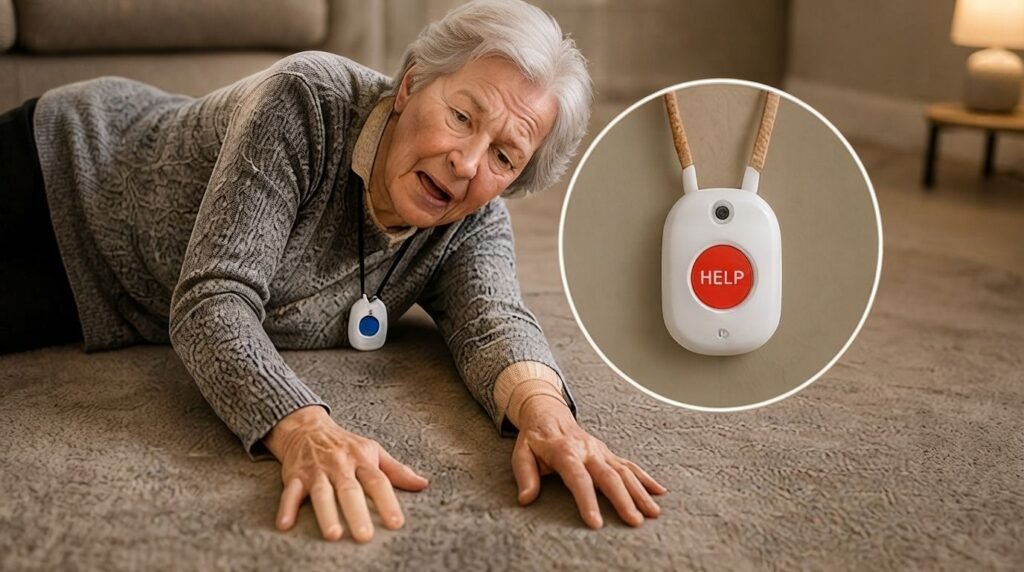
For seniors living alone, emergency technology can provide an additional layer of reassurance. Wearable devices and medical alert systems may include features such as emergency buttons, location sharing, or fall detection, depending on the product.
These devices are different from ordinary smart-home gadgets because reliability is especially important. Before purchasing one, check whether it works inside and outside the home, whether cellular service is required, what happens when the battery is low, and whether there is a monthly monitoring fee.
A fall-detection device should never be treated as a guarantee that every fall will be detected. It is a backup tool, not a replacement for a personal emergency plan or appropriate medical care.
Research supported by the National Institute on Aging has explored in-home technologies that can help monitor safety, mobility, and other changes associated with aging.
Best for: Seniors who live alone or want an additional emergency-safety option.
Smart Thermostats
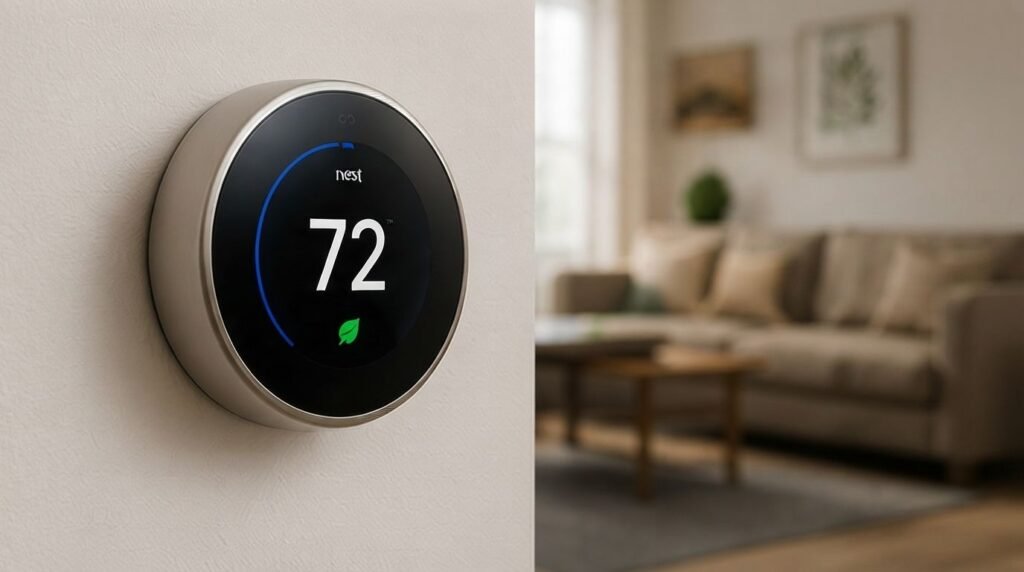
Smart thermostats can make temperature control more convenient. Instead of repeatedly adjusting a traditional thermostat, users can often change settings through an app or voice assistant.
Some models can also follow schedules, helping maintain a comfortable temperature throughout the day.
The important thing is simplicity. A thermostat with an easy-to-read display and straightforward controls may be a better choice for a senior than an advanced model packed with features that will rarely be used.
Best for: Easier temperature management and scheduled heating or cooling.
How to Choose the Right Smart Home Devices
Buying every smart device available isn’t necessary. Start with the problem you actually want to solve.
If reaching switches is difficult, begin with smart lighting. If answering the door is inconvenient, consider a video doorbell. If remembering appointments or controlling devices without touching a screen is the challenge, a voice assistant may be the better starting point.
Also consider ease of setup, privacy, compatibility, subscription fees, Wi-Fi requirements, battery life, and customer support.
Most importantly, involve the senior in the decision. Technology works best when the person using it understands and feels comfortable with it. AARP recommends thinking about smart-home technology as a way to support independence rather than simply adding more gadgets to the home.
A good smart home should feel helpful—not frustrating.
Conclusion
The best smart home devices for seniors are the ones that make everyday tasks simpler without creating unnecessary complexity. Voice assistants can provide hands-free control, smart lights can improve convenience, video doorbells can make visitors easier to manage, and emergency devices can provide an additional layer of safety.
For families supporting an older loved one, the smartest approach is to start small. Choose one or two devices that solve a genuine problem, set them up properly, and expand the system only when there is a clear benefit.
At Read Hub, we believe technology should make life easier, not more complicated. With the right combination of simple devices and thoughtful setup, smart-home technology can help older adults remain comfortable, connected, and independent for longer.
If you have any questions or concerns regarding this topic, feel free to contact us through our Contact Us page or reach out via the WhatsApp button available on Read Hub. We’re always happy to help!
FAQ
What is the easiest smart home device for seniors?
A voice-controlled smart speaker is often a good starting point because it allows users to perform certain tasks without navigating a phone or touchscreen.
Are smart lights useful for older adults?
Yes. Smart and motion-activated lights can make it easier to illuminate hallways, bedrooms, bathrooms, and other areas, particularly at night.
Can a video doorbell help seniors?
Yes. A video doorbell can allow users to see and communicate with visitors before opening the door, depending on the model and its features.
Are smart home devices difficult for seniors to use?
They can be if the system is overly complicated. The best choices generally have simple controls, clear instructions, and minimal setup requirements.
What should families consider before buying smart-home technology?
Consider the senior’s specific needs, ease of use, privacy, compatibility, Wi-Fi requirements, ongoing subscription costs, battery life, and whether family members can help with setup.