
Starting a backyard garden is one of the most rewarding projects you can take on. Whether you want fresh vegetables, colorful flowers, fragrant herbs, or simply a relaxing outdoor space, gardening offers countless benefits. It helps reduce grocery costs, encourages healthier eating, supports local wildlife, and creates an enjoyable hobby for the entire family.
If you’re wondering how to start a backyard garden in the United States, you’re in the right place. Different climates, growing zones, and soil conditions across the U.S. mean that a little planning goes a long way. In this guide from Read Hub, you’ll learn everything you need to confidently create and maintain a successful backyard garden, even if you’ve never planted anything before.
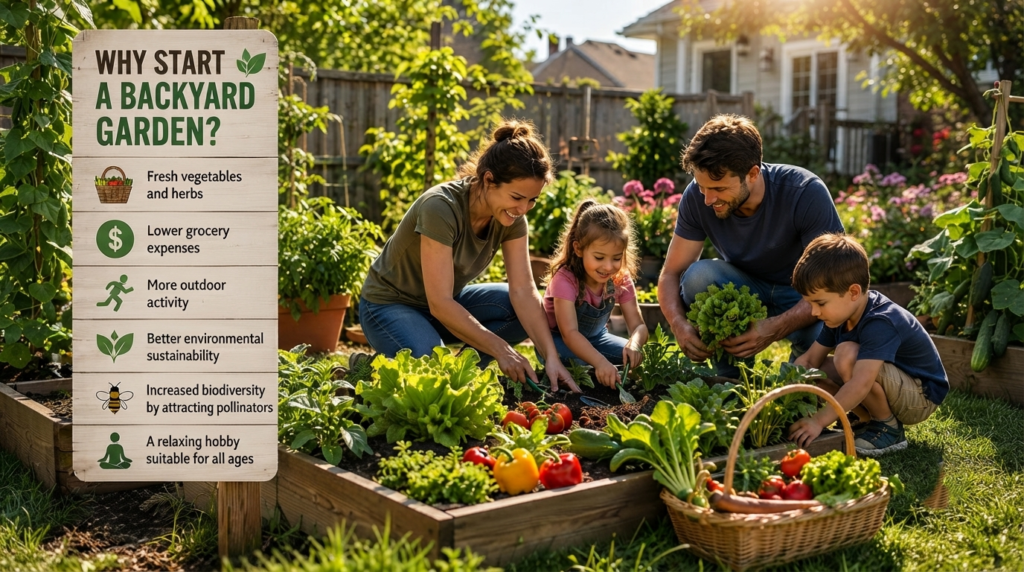
Why Start a Backyard Garden?
A backyard garden provides much more than fresh produce. It can improve your physical and mental well-being while making your home more attractive.
Benefits include:
- Fresh vegetables and herbs
- Lower grocery expenses
- More outdoor activity
- Better environmental sustainability
- Increased biodiversity by attracting pollinators
- A relaxing hobby suitable for all ages
Even a small backyard can produce an impressive harvest with proper planning.
Choose the Right Garden Location
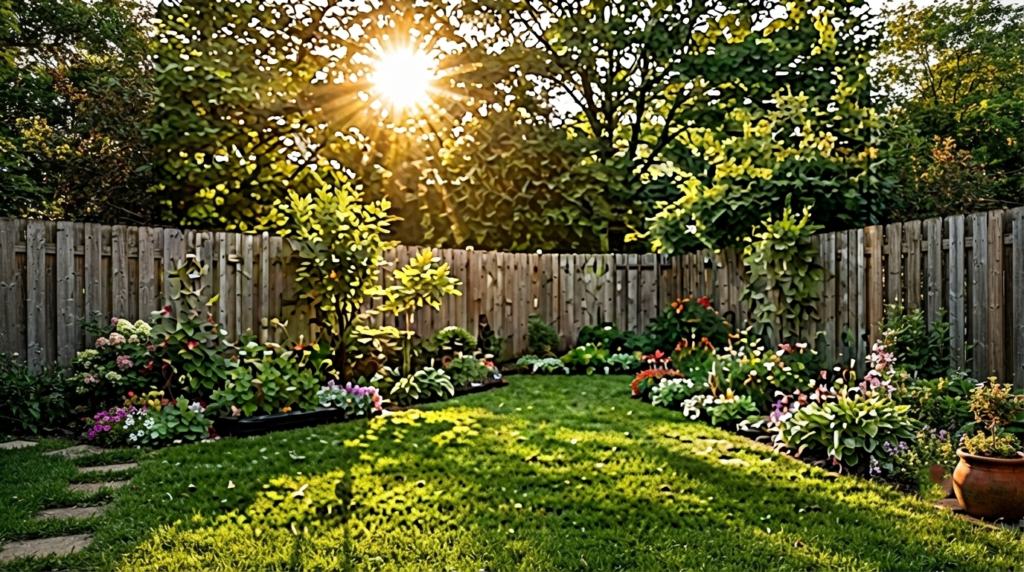
One of the biggest factors in gardening success is choosing the right spot.
Look for an area that receives at least six to eight hours of direct sunlight daily, especially if you’re growing vegetables like tomatoes, peppers, cucumbers, or squash.
Your location should also have:
- Easy access to water
- Good drainage
- Protection from strong winds
- Enough space for future expansion
Avoid planting too close to large trees because their roots compete for nutrients and moisture.
Understand Your USDA Hardiness Zone
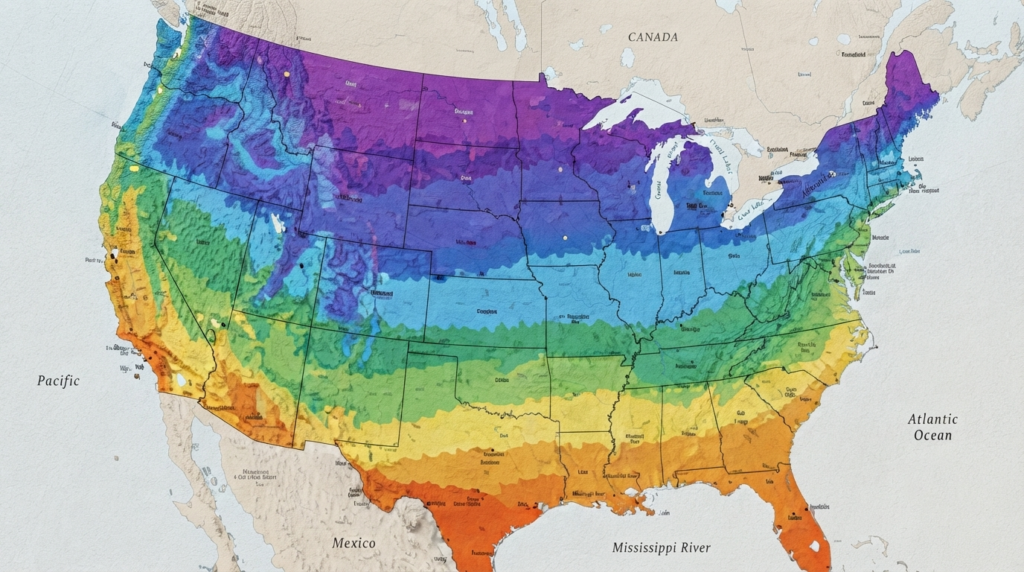
The United States includes multiple climate zones, so plants that thrive in Florida may struggle in Minnesota.
Before buying seeds or plants, identify your USDA Hardiness Zone. This helps you select varieties suited to your local climate and determine the best planting dates.
Understanding your growing season can significantly improve germination rates and overall harvest quality.
Test and Improve Your Soil
Healthy soil is the foundation of every successful garden.
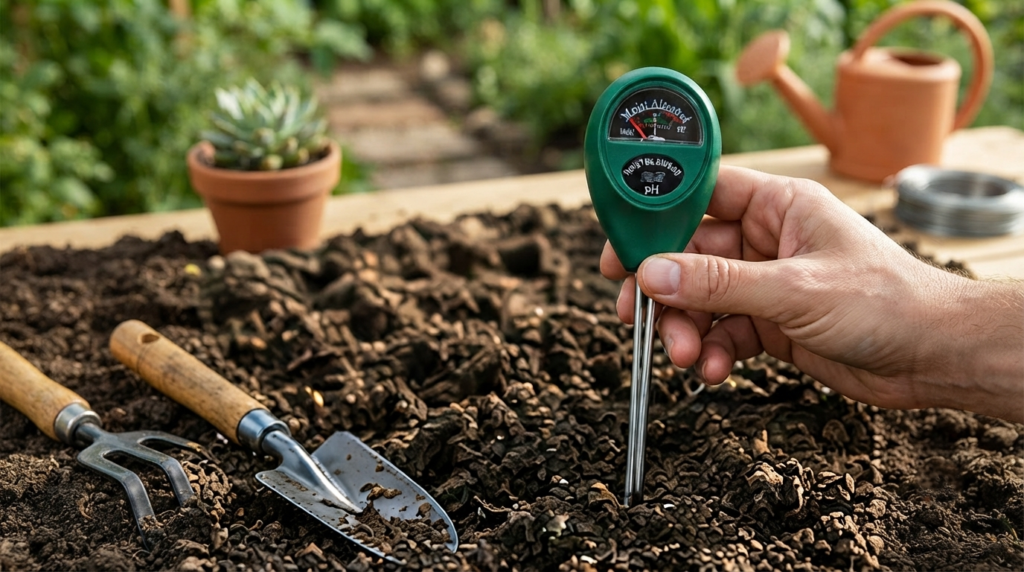
Start by testing your soil’s pH and nutrient levels. Many local extension offices offer affordable soil testing services.
Improve poor soil by adding:
- Compost
- Well-aged manure
- Organic matter
- Mulch
Rich soil retains moisture, encourages beneficial microbes, and supports stronger root development.
Decide What to Grow
Choose plants based on your climate, available space, and family preferences.
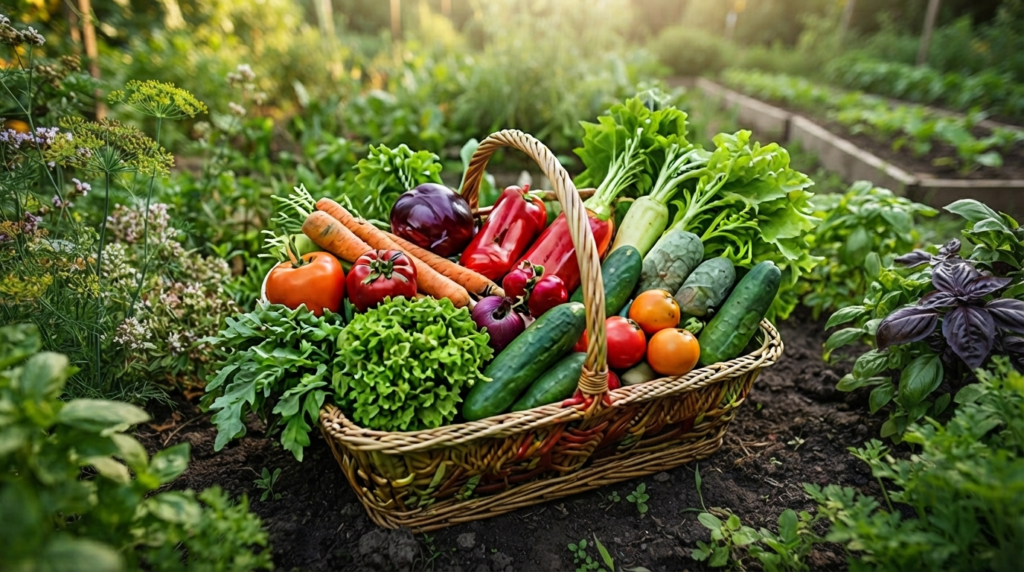
Popular beginner-friendly vegetables include:
- Tomatoes
- Lettuce
- Green beans
- Carrots
- Radishes
- Cucumbers
- Zucchini
Herbs such as basil, parsley, mint, thyme, and rosemary are also excellent choices because they’re easy to maintain and frequently used in cooking.
If you’re interested in flowers, consider marigolds, sunflowers, zinnias, and coneflowers, which also attract bees and butterflies.
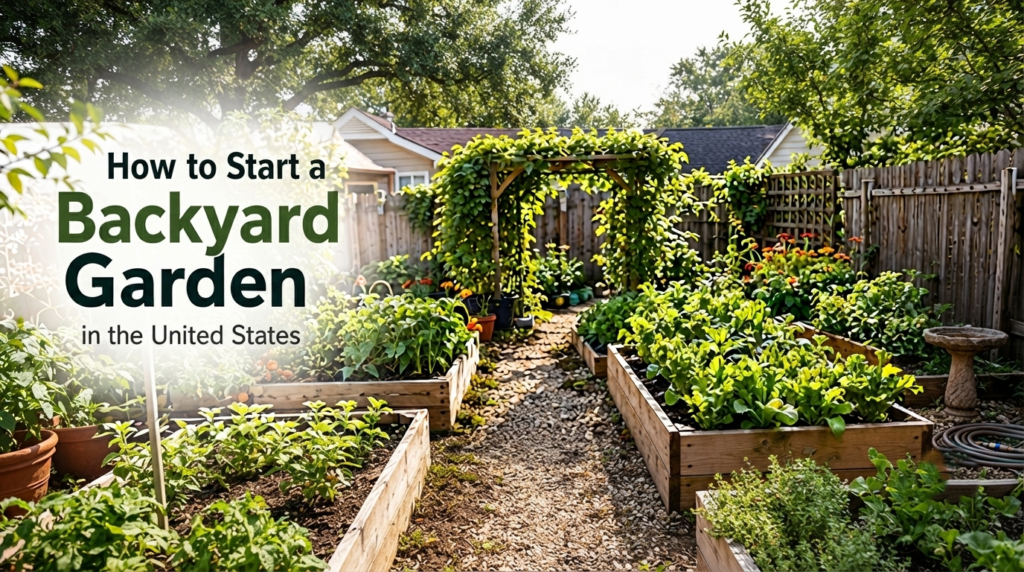
Plan Your Garden Layout
Planning before planting saves time and prevents overcrowding.
Arrange taller plants along the north side of the garden so they don’t shade shorter crops.
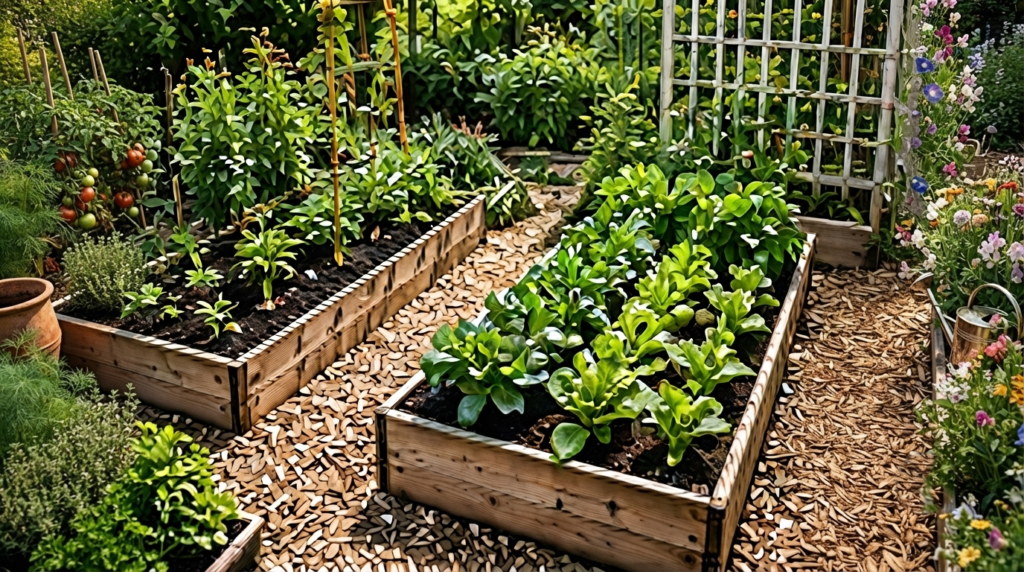
Leave walking paths between rows for easier watering, harvesting, and maintenance.
Raised beds are another excellent option because they improve drainage, warm up faster in spring, and reduce soil compaction.
Plant at the Right Time
Timing is essential.
Cool-season crops such as spinach, peas, and lettuce grow best during spring or fall.
Warm-season vegetables like tomatoes, peppers, pumpkins, and cucumbers should be planted after the final frost date in your region.
Following local planting calendars helps maximize growth and reduce crop failures.

Water Your Garden Properly
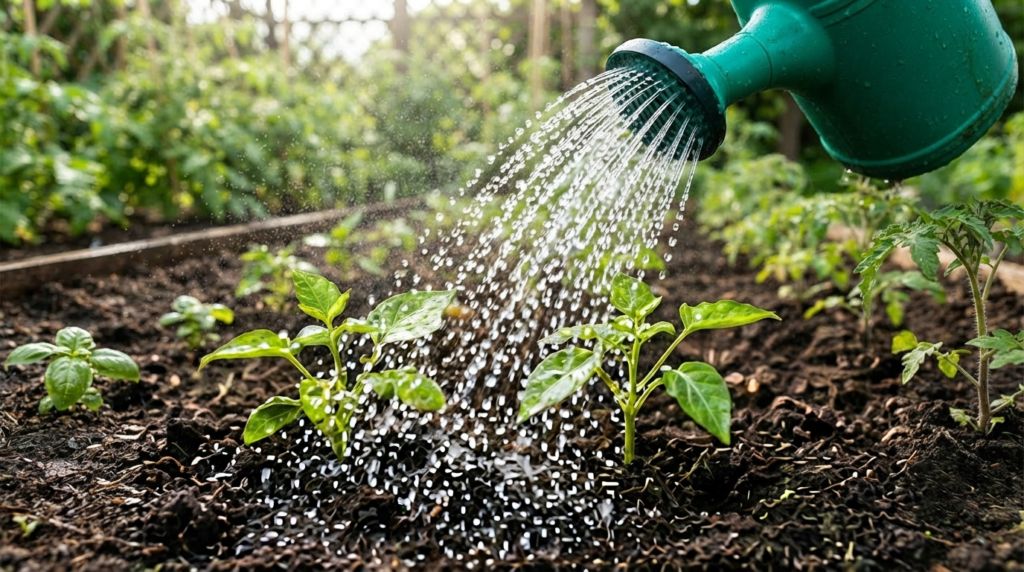
Most gardens require about one inch of water per week, though hot summer weather may increase this need.
Water deeply rather than frequently to encourage deeper root systems.
Morning watering is ideal because it reduces evaporation and helps prevent fungal diseases.
Adding mulch around plants also helps conserve moisture while suppressing weeds.
Control Weeds and Pests Naturally
Healthy gardens don’t always require chemical pesticides.
Natural pest management includes:
- Pulling weeds regularly
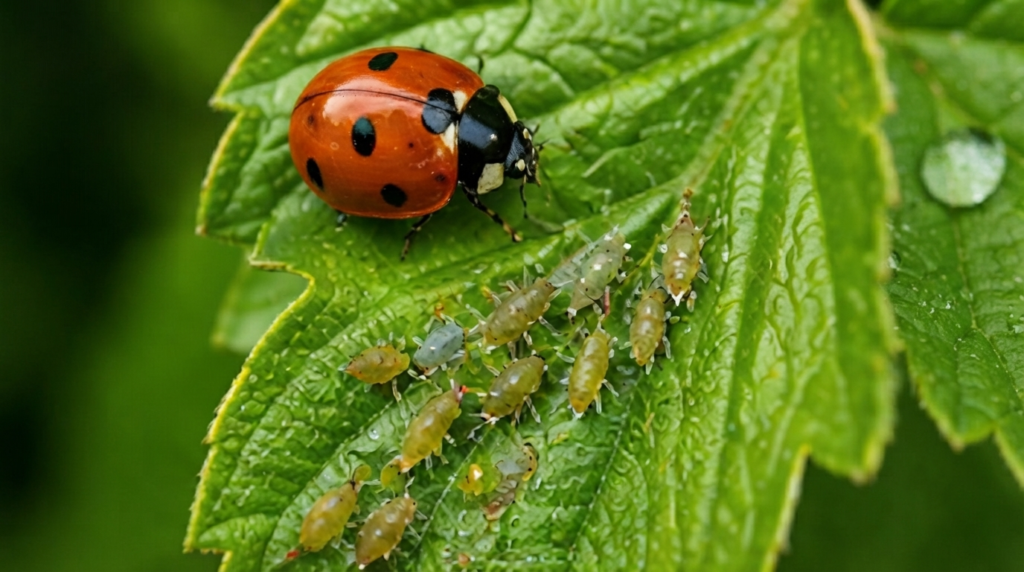
- Encouraging beneficial insects like ladybugs
- Using neem oil when necessary
- Installing row covers
- Practicing crop rotation
- Removing diseased plants promptly
Regular inspection allows you to catch problems before they spread.
Maintain Your Garden Throughout the Season
Gardening is an ongoing process rather than a one-time project.
Keep your garden productive by:
- Harvesting vegetables regularly
- Fertilizing when needed
- Pruning damaged growth
- Monitoring for pests
- Replacing seasonal crops
- Refreshing mulch
Taking just a few minutes each day can keep your backyard garden healthy all season long.
Conclusion
Learning how to start a backyard garden in the United States doesn’t have to be complicated. With the right location, healthy soil, suitable plants, and consistent care, even beginners can enjoy fresh produce and beautiful outdoor spaces.
Gardening is a rewarding investment that continues to pay off throughout the growing season. Whether you’re creating a small vegetable patch or a diverse family garden, the tips in this guide will help you start with confidence.
At Read Hub, we’re committed to providing practical, easy-to-follow guides that help readers make informed decisions and enjoy new skills with confidence.
If you have any questions or concerns regarding this topic, feel free to contact us through our Contact Us page or reach out via the WhatsApp button available on Read Hub. We’re always happy to help!
FAQ
What is the best month to start a backyard garden in the United States?
The best month depends on your location and USDA Hardiness Zone. In most areas, spring is ideal after the last frost, while some southern states can begin planting earlier. Checking your local planting calendar will help you choose the right time for your region.
What vegetables are easiest for beginners to grow?
Tomatoes, lettuce, radishes, green beans, cucumbers, zucchini, and carrots are excellent choices for first-time gardeners. They are relatively easy to maintain and produce satisfying results with basic care.
How much sunlight does a backyard garden need?
Most vegetables require six to eight hours of direct sunlight every day. Leafy greens can tolerate partial shade, but fruit-producing plants perform best in full sun.
Should I use raised garden beds?
Raised beds are an excellent option because they improve drainage, warm up faster in spring, reduce soil compaction, and make gardening more comfortable. They’re especially helpful if your yard has poor soil quality.
How often should I water my backyard garden?
Most gardens need approximately one inch of water each week. Water deeply during the early morning, and adjust the schedule during hot or dry weather to keep the soil consistently moist without becoming waterlogged.