

Knowing when your pet needs a vet immediately can make a critical difference during an emergency. Pets cannot tell us when something is seriously wrong, so sudden changes in breathing, behavior, movement, or appetite deserve attention. Some symptoms can be monitored at home, but others require urgent veterinary care rather than waiting to see if they improve. Emergency warning signs can include difficulty breathing, seizures, loss of consciousness, uncontrolled bleeding, poisoning, and severe weakness.
At Read Hub, we believe every pet owner should know these warning signs before an emergency happens.
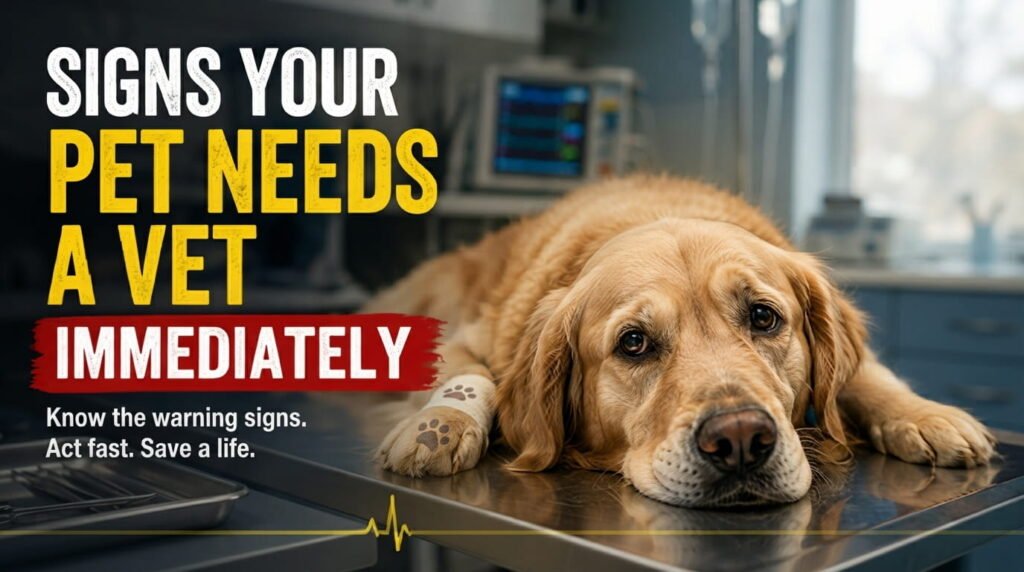
Difficulty Breathing
Breathing problems should always be taken seriously. If your dog or cat is struggling to breathe, breathing unusually fast, choking, or showing blue-tinged lips or tongue, seek emergency veterinary care immediately.
Do not wait for breathing problems to disappear on their own. Keep your pet as calm as possible and contact an emergency veterinary clinic while preparing for transport.

Seizures or Loss of Consciousness
A seizure can be frightening to watch. During one, move furniture and other hazards away from your pet, but do not try to restrain them or put your fingers near their mouth.
If your pet becomes unconscious, has repeated seizures, or does not return to normal afterward, contact an emergency veterinarian immediately. If possible, note how long the seizure lasts and record a video to show the veterinarian.

Severe Bleeding or Serious Injury
Heavy bleeding, major wounds, suspected broken bones, serious falls, or injuries caused by vehicles or other animals can require immediate treatment.
If there is external bleeding, gentle pressure with a clean cloth or gauze may help while you arrange veterinary care. Injured pets may be frightened and unpredictable, so protect yourself from bites while moving them.
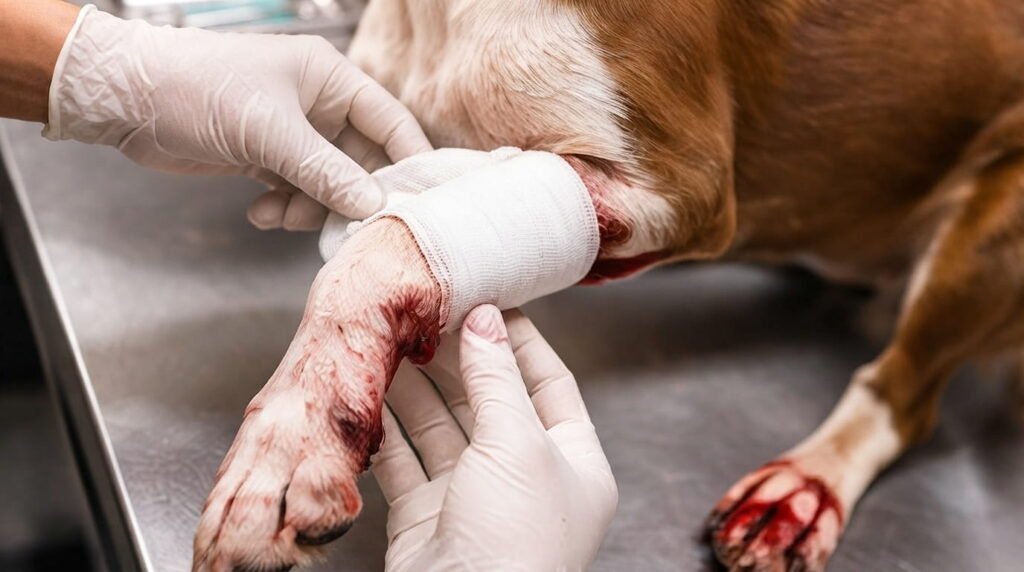
Suspected Poisoning
If your pet may have swallowed medication, chemicals, toxic foods, plants, or another potentially dangerous substance, do not wait for symptoms to become severe.
Contact your veterinarian or an appropriate animal poison-control service for guidance. Keep the product packaging available because information about the substance, amount, and timing can help professionals assess the situation. Do not induce vomiting or give medication unless a veterinary professional specifically tells you to do so.
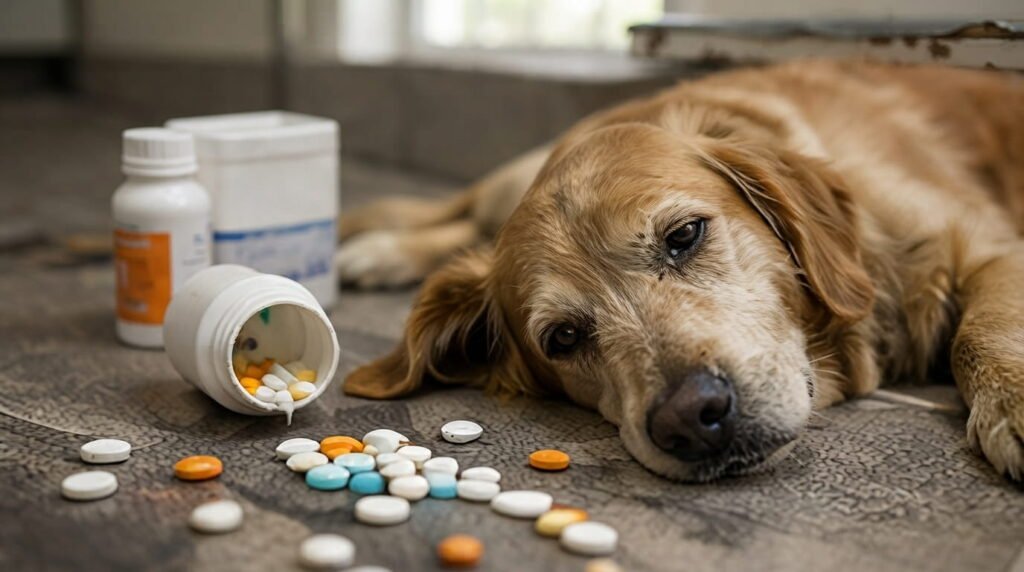
Sudden Weakness or Inability to Stand
A pet that suddenly cannot stand, appears extremely weak, collapses, or seems unable to walk normally may have a serious underlying problem.
Pale gums, rapid breathing, a weak or rapid pulse, difficulty standing, paralysis, and loss of consciousness are among the signs associated with veterinary emergencies.
Even if your pet seems better after a short period, a sudden collapse should not simply be ignored. Contact your veterinarian for advice.
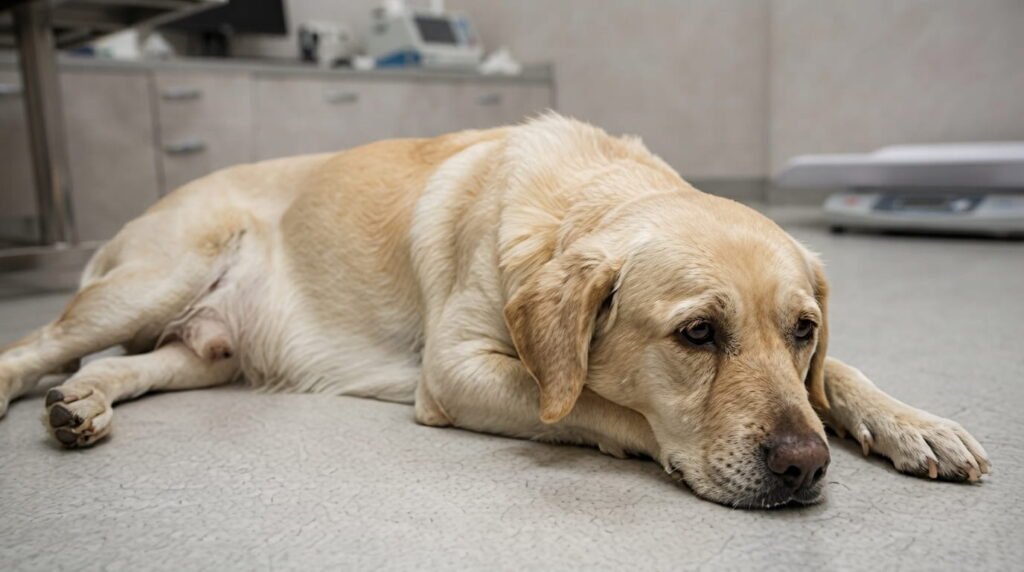
Repeated Vomiting or Severe Diarrhea
Occasional stomach upset may not always be an emergency, but repeated vomiting or severe diarrhea can become dangerous, particularly when accompanied by weakness, blood, pain, dehydration, or unusual behavior.
The situation is especially concerning if you suspect your pet has eaten something toxic or swallowed a foreign object. In those cases, contact a veterinary professional promptly rather than trying random home remedies.

Pale, Blue, or Unusual Gums
Your pet’s gums can provide useful clues about their overall condition. Very pale or blue-tinged gums can be associated with serious problems and should not be dismissed.
If unusual gum color appears together with breathing difficulty, weakness, collapse, or rapid breathing, treat it as an emergency and seek veterinary care immediately.

Severe Pain or Sudden Behavioral Changes
Pets often hide discomfort, so a sudden change can be an important warning. Crying, extreme restlessness, hiding, aggression when touched, a hunched posture, or refusing to move may indicate significant pain.
A pet that suddenly behaves very differently from normal deserves attention, especially when the change is accompanied by vomiting, weakness, breathing problems, or other physical symptoms.

What to Do Before Reaching the Vet
Stay calm and call the veterinary clinic before arriving when possible. Explain what happened, what symptoms you noticed, and how long they have been present.
For suspected poisoning, take the product packaging or relevant information with you. For seizures or unusual episodes, note the duration and, when safe, record a video.
Do not give human medication or attempt treatments recommended by random online sources unless your veterinarian advises you to do so. Veterinary first aid can help stabilize a pet, but it is not a substitute for professional veterinary care.
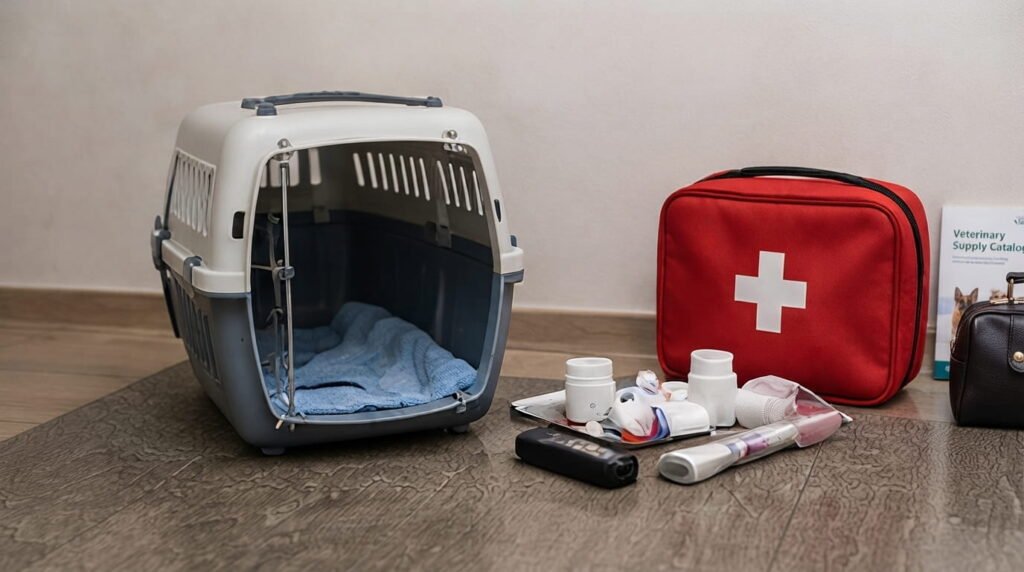
When in Doubt, Call Your Veterinarian
You do not need to diagnose your pet yourself. If something looks seriously wrong or your pet’s condition is changing quickly, contacting a veterinary professional is the safest choice.
It is also smart to prepare before an emergency occurs. Keep your veterinarian’s contact information available and know where the nearest emergency veterinary facility is. ASPCA recommends having an emergency plan and knowing which clinic provides after-hours care.
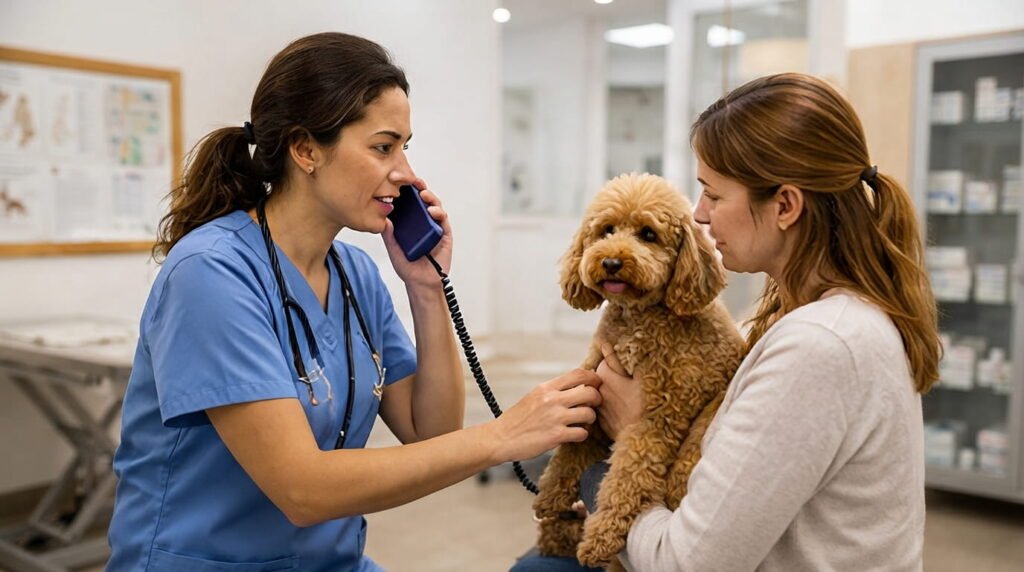
Conclusion
Recognizing when your pet needs a vet immediately can help you act before a potentially serious condition becomes worse. Difficulty breathing, seizures, unconsciousness, severe bleeding, poisoning, collapse, unusual gum color, and serious injuries should never be treated casually.
When you’re unsure, contact a veterinary professional instead of relying on guesswork. A few minutes of appropriate action can matter greatly during an emergency. Read Hub encourages every pet owner to keep an emergency plan and important veterinary contacts readily available.
If you have any questions or concerns regarding this topic, feel free to contact us through our Contact Us page or reach out via the WhatsApp button available on Read Hub. We’re always happy to help!
FAQ
How do I know if my pet needs to go to the vet immediately?
Emergency signs include difficulty breathing, seizures, unconsciousness, severe bleeding, collapse, poisoning, inability to stand, and other sudden life-threatening changes.
Should I wait if my pet seems better after an emergency symptom?
Not necessarily. Some problems can temporarily improve while an underlying condition remains. Contact your veterinarian for advice, especially after collapse, poisoning, breathing problems, or seizures.
What should I do if my pet eats something poisonous?
Remove the pet from further exposure, keep the product packaging or substance information, and immediately contact your veterinarian or an animal poison-control service. Do not induce vomiting unless instructed by a professional.
Should I give my pet human medicine for pain?
Do not give human medication unless a veterinarian specifically instructs you to. Some medications that are safe for people can be dangerous or toxic to pets.
What should I keep ready for a pet emergency?
Keep your veterinarian’s phone number, the nearest emergency clinic’s information, your pet’s medical records, current medication details, and a basic pet first-aid kit readily accessible.