
If your car battery keeps dying, especially after you’ve recently charged or replaced it, there’s usually an underlying problem that needs attention. A battery can fail because of age, a weak alternator, loose connections, electrical components staying on, or simply because the car isn’t driven often enough.
The good news is that you don’t always need an expensive repair immediately. With a few basic checks, you can narrow down the cause and decide whether you need a new battery, an electrical repair, or professional diagnosis. In this Read Hub guide, we’ll walk through the most common reasons and what you can do about them.
Why Your Car Battery Keeps Dying
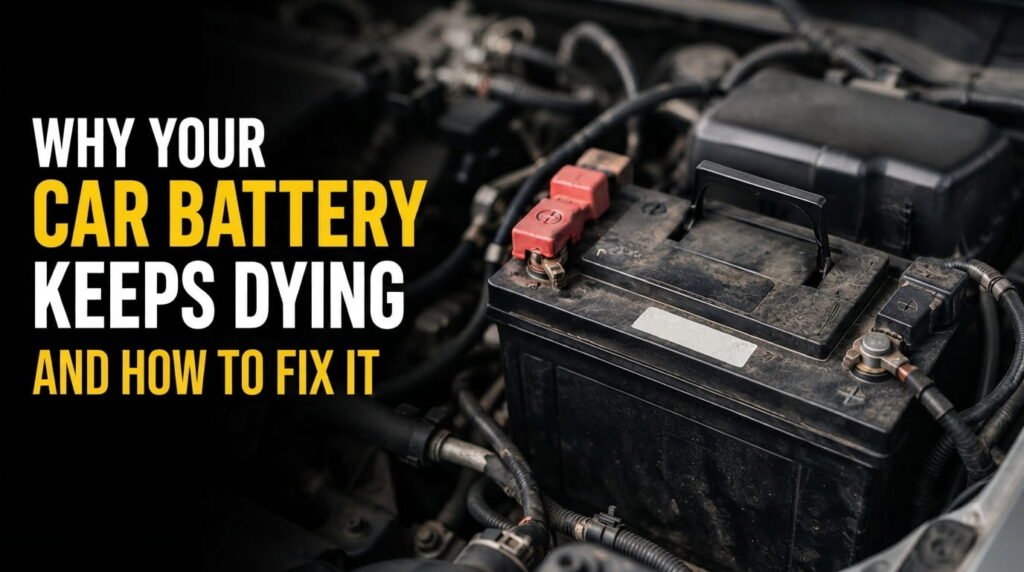
A healthy battery should provide enough power to start your vehicle consistently. If it keeps going flat, the battery may be too old or unable to hold a charge properly. However, the battery isn’t always the real problem. A faulty charging system or another electrical component may be using power when the vehicle is switched off. Identifying the actual cause can save you from replacing a perfectly good battery.
Common Causes of Battery Drain
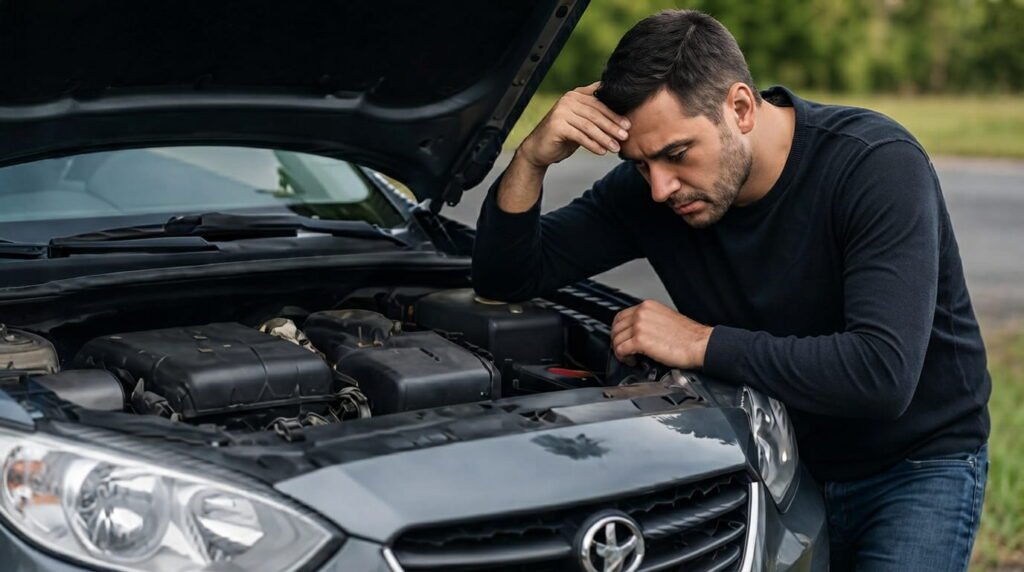
Several everyday problems can drain a car battery. Leaving headlights, interior lights, or accessories switched on is one of the simplest causes, while a faulty alternator can prevent the battery from charging properly. Loose or corroded terminals may also affect the connection between the battery and electrical system. Another possibility is parasitic drain, where an electrical component continues consuming power after the car has been turned off. Frequent short trips can also leave the battery undercharged because the alternator doesn’t have enough time to restore the power used during startup.
How to Check the Battery
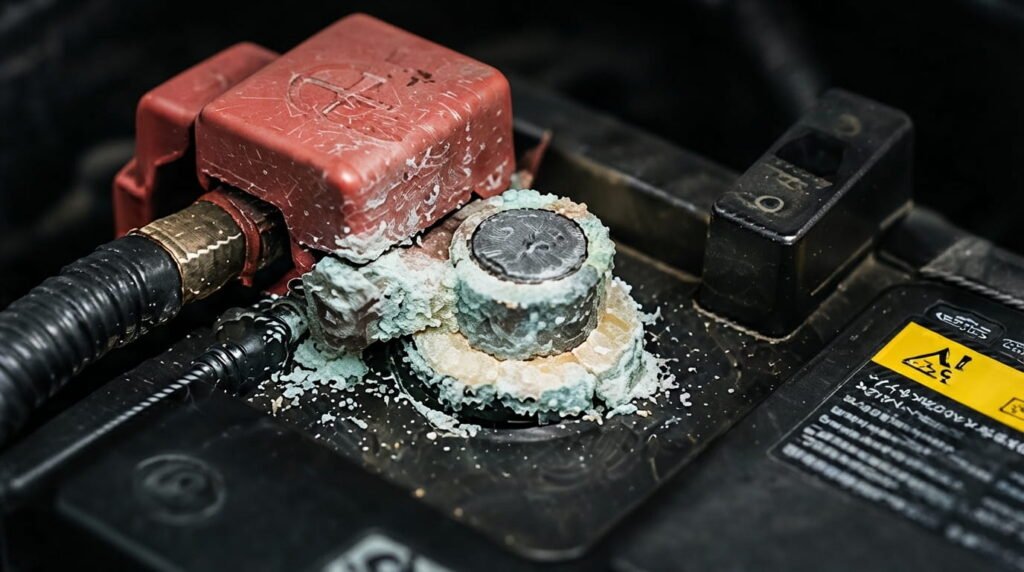
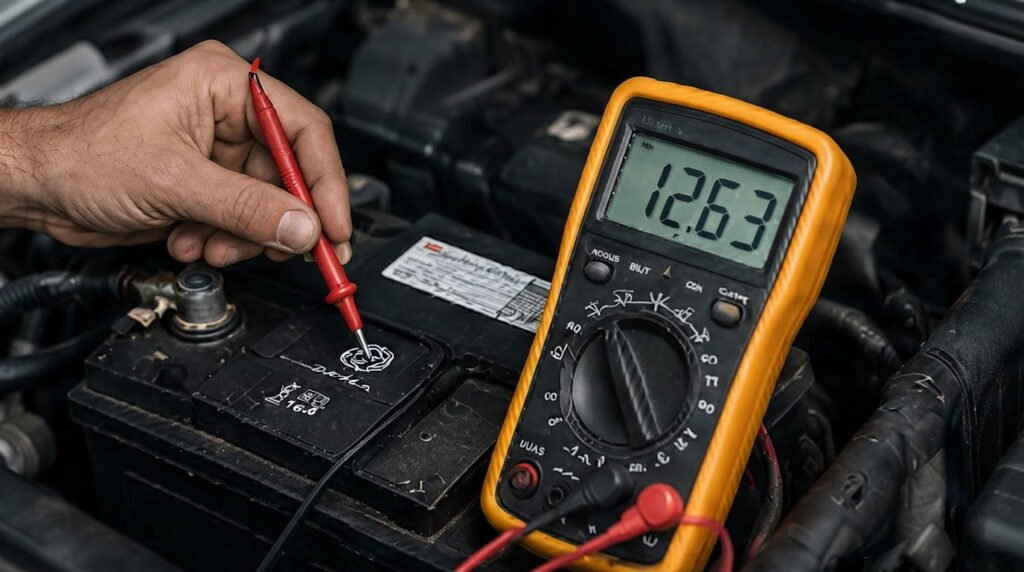
Start by inspecting the battery and its connections. Look for corrosion around the terminals, loose cables, cracks, swelling, or other visible damage. If you have a digital multimeter, you can check the battery voltage with the engine off. A fully charged conventional 12-volt battery generally reads around 12.6 volts, although readings can vary. Because voltage alone doesn’t confirm battery health, a professional load test is a better way to determine whether the battery can still provide enough power to start the engine.
How to Fix the Problem
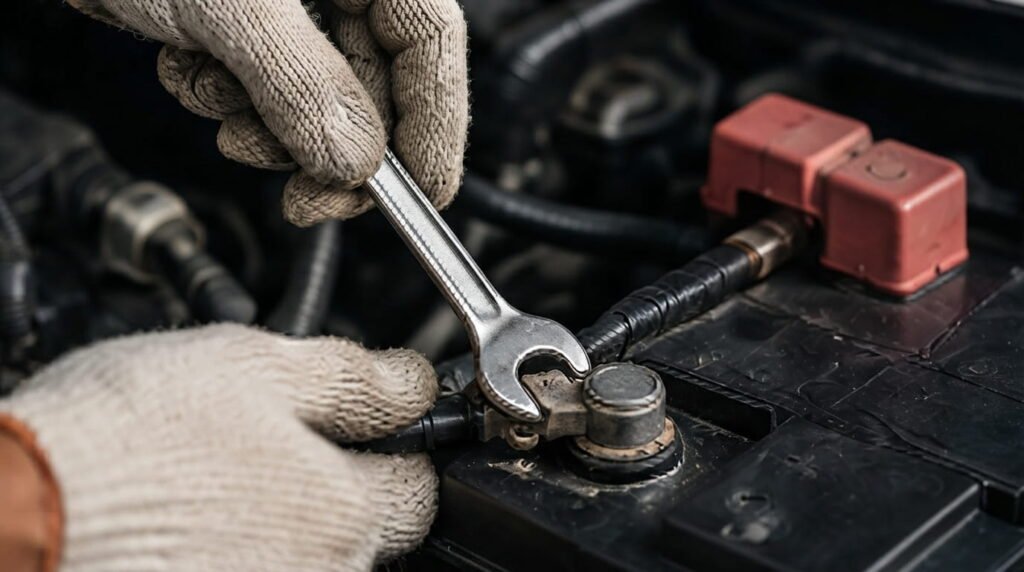
The right solution depends on what’s causing the battery to die. Dirty or loose terminals should be cleaned and tightened properly, while lights and accessories should always be switched off before leaving the vehicle. If the alternator isn’t charging correctly, it may need repair or replacement. When a battery repeatedly dies overnight, a mechanic can perform a parasitic-draw test to identify the electrical component consuming power. Fixing the actual source of the drain is much better than repeatedly jump-starting the car.
When to Replace the Battery
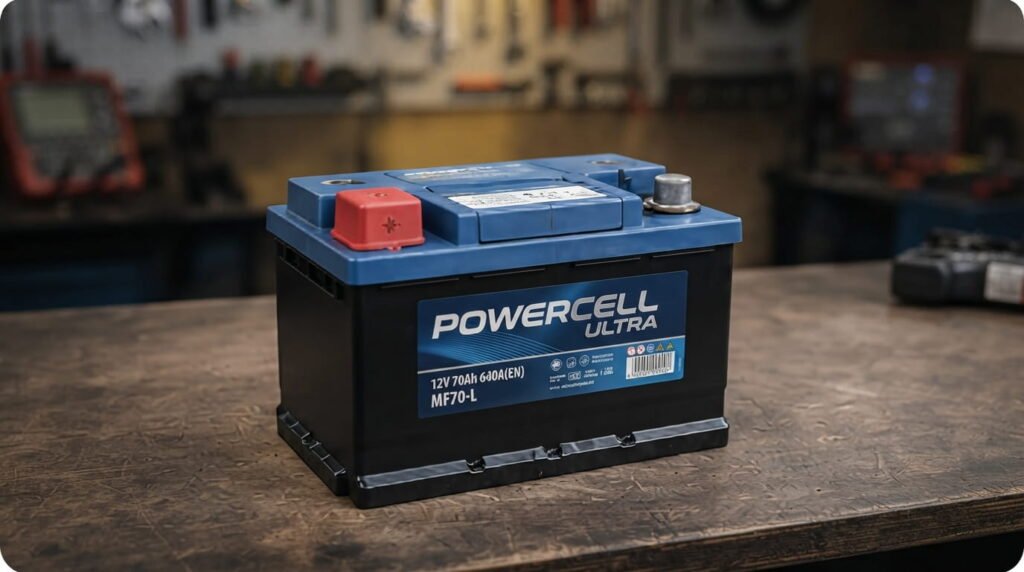
Car batteries commonly last around three to five years, although their lifespan depends on climate, driving habits, maintenance, and battery quality. A battery that repeatedly goes flat, struggles to start the engine, or fails a proper load test may be ready for replacement. Physical damage, swelling, or leakage are also warning signs that shouldn’t be ignored. If a relatively new battery keeps dying, test the alternator and electrical system before purchasing another one because the battery may not be the real cause.
When to See a Mechanic
You should consider professional help when the battery continues dying despite being fairly new or fully charged. Clicking when starting, dim headlights, dashboard warning lights, and unusual electrical behavior can also point to a larger problem. A mechanic can test the battery, alternator, starter circuit, and electrical system to determine exactly where the fault is. Getting the issue diagnosed early can help prevent unexpected breakdowns and unnecessary replacement costs.

Conclusion
When your car battery keeps dying, don’t assume that buying another battery will solve the problem. An aging battery, faulty alternator, poor connection, parasitic drain, or short driving trips could all be responsible. Start with a basic inspection and battery test, then have the charging and electrical systems checked if the problem continues. Understanding the cause can help you fix the issue properly and keep your vehicle reliable. For more practical car and everyday guides, keep reading Read Hub.
If you have any questions or concerns regarding this topic, feel free to contact us through our Contact Us page or reach out via the WhatsApp button available on Read Hub. We’re always happy to help!
FAQ
Why does my car battery keep dying overnight?
A battery may die overnight because of lights being left on, parasitic electrical drain, a weak battery, or an alternator that isn’t charging properly.
How can I tell if my battery or alternator is bad?
Battery and charging-system tests can help identify the problem. A mechanic can check both components and determine which one is failing.
Can short trips cause battery problems?
Yes. Frequent short trips may not give the alternator enough time to replace the energy used when starting the engine.
How long should a car battery last?
Most car batteries last around three to five years, but extreme temperatures, driving habits, and maintenance can affect their lifespan.
Why does my new car battery keep dying?
A new battery that repeatedly dies may indicate an alternator problem, parasitic drain, loose connections, or another electrical issue.