
Finding the right SEO software can make a big difference when you’re running a small business. You don’t need dozens of expensive platforms to improve your visibility—you need tools that solve real problems, from finding valuable keywords to fixing technical issues and tracking rankings. The best SEO tools for small businesses in 2026 combine useful data with simple workflows, helping you make smarter decisions without wasting your budget. In this guide, Read Hub highlights practical options worth considering and explains what each tool is best suited for.
1. Google Search Console
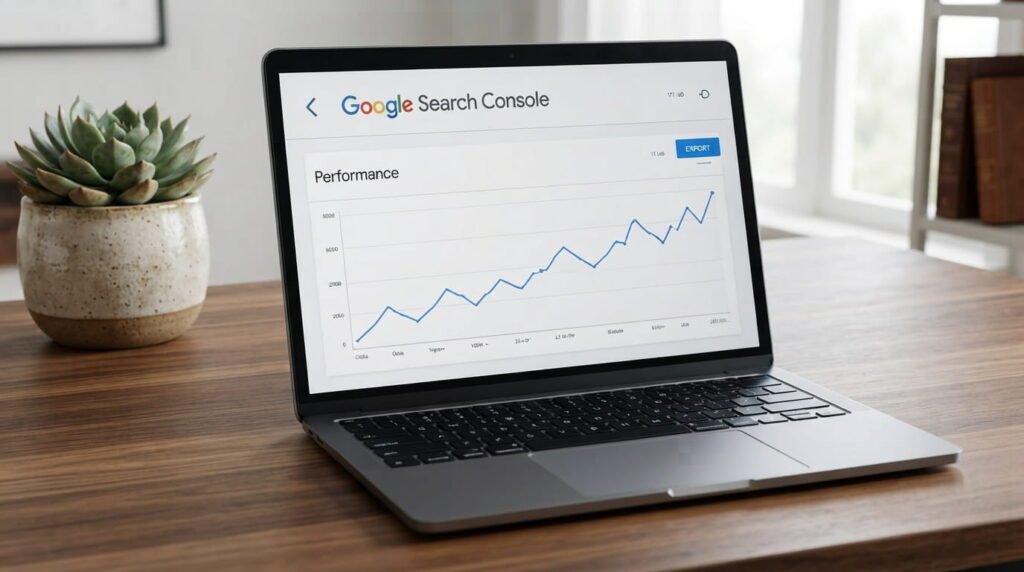
Google Search Console is one of the most useful free SEO tools available. It shows how your website performs in Google Search, including impressions, clicks, search queries, indexing issues, and average positions.
For a small business, this is an excellent starting point because you can identify which pages already receive visibility and improve them before spending money on advanced software.
Best for: Search performance, indexing, and technical monitoring.
2. Semrush
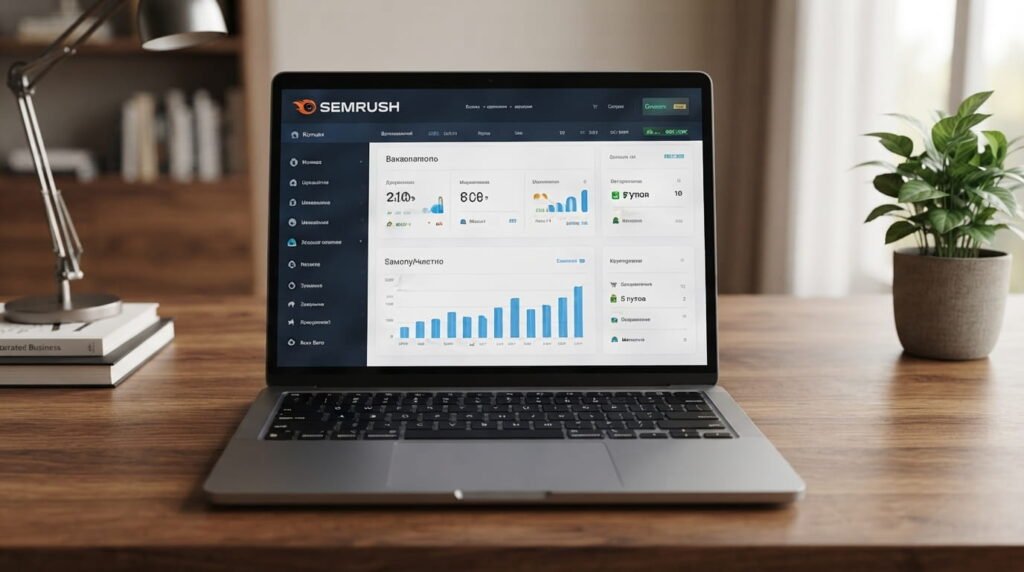
Semrush offers a broad collection of SEO and digital marketing features. You can research keywords, analyze competitors, audit websites, monitor rankings, and explore backlink opportunities from one platform.
It is particularly useful when you want to understand what competitors are doing and build a more organized SEO strategy.
Best for: All-in-one SEO and competitor research.
3. Ahrefs
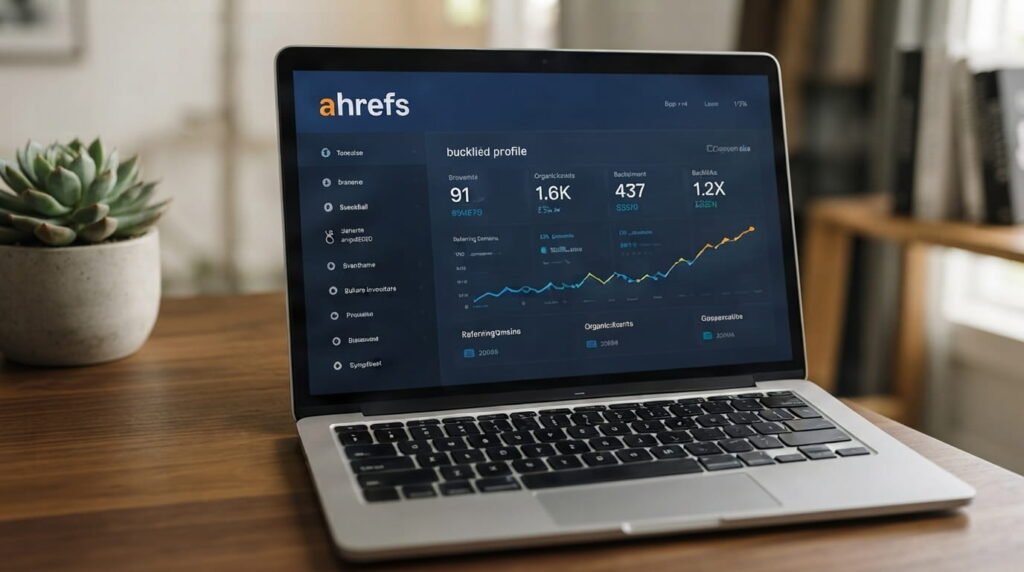
Ahrefs is well known for backlink analysis, but it also provides keyword research, content research, site auditing, and rank tracking.
Small businesses working on content marketing can use it to discover topics people search for and examine which websites are earning links in their industry.
Best for: Backlinks, content research, and competitive analysis.
4. Google Analytics
Google Analytics helps you understand what visitors do after reaching your website. SEO isn’t only about rankings; you also need to know whether organic visitors engage with your pages and complete important actions.
Use analytics data to identify high-performing landing pages, traffic sources, and areas where visitors leave.
Best for: Measuring organic traffic and user behavior.

5. Ubersuggest
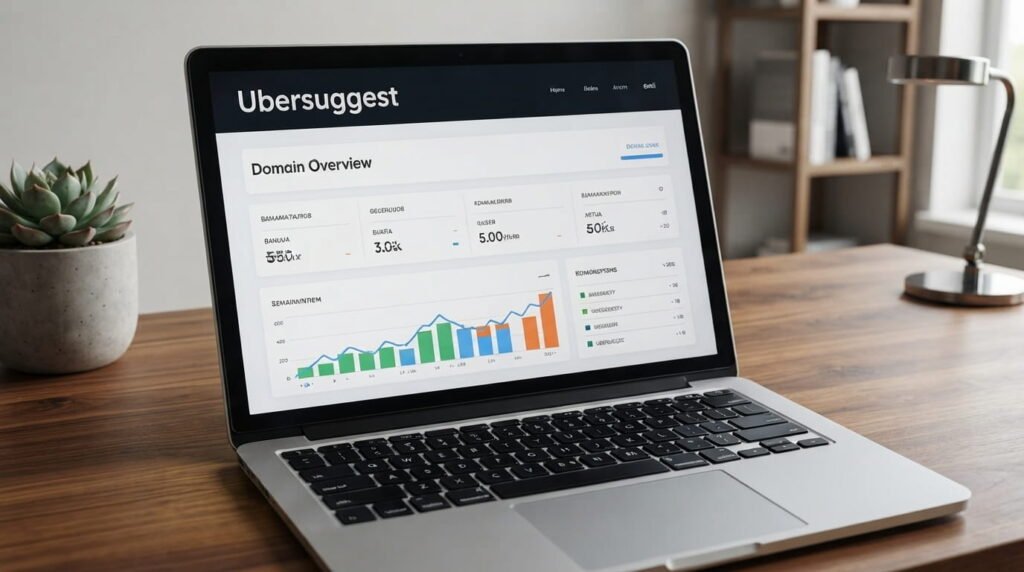
Ubersuggest is designed with simplicity in mind. It can help with keyword ideas, content opportunities, competitor research, and basic site audits.
For businesses with limited SEO experience, its straightforward interface can make keyword research easier without the learning curve of larger platforms.
Best for: Beginners and affordable keyword research.
6. Screaming Frog SEO Spider
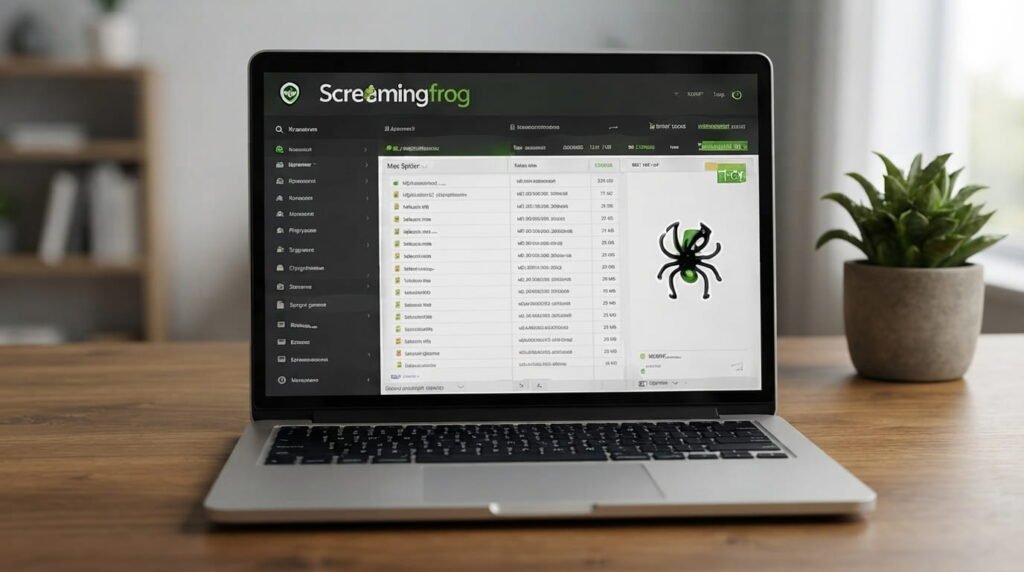
Screaming Frog SEO Spider crawls websites to uncover technical SEO problems. It can identify broken links, missing titles, duplicate content, redirect issues, and other on-page problems.
Even a small website can develop technical errors over time, so periodic crawling is useful for keeping your site healthy.
Best for: Technical SEO audits.
7. BrightLocal
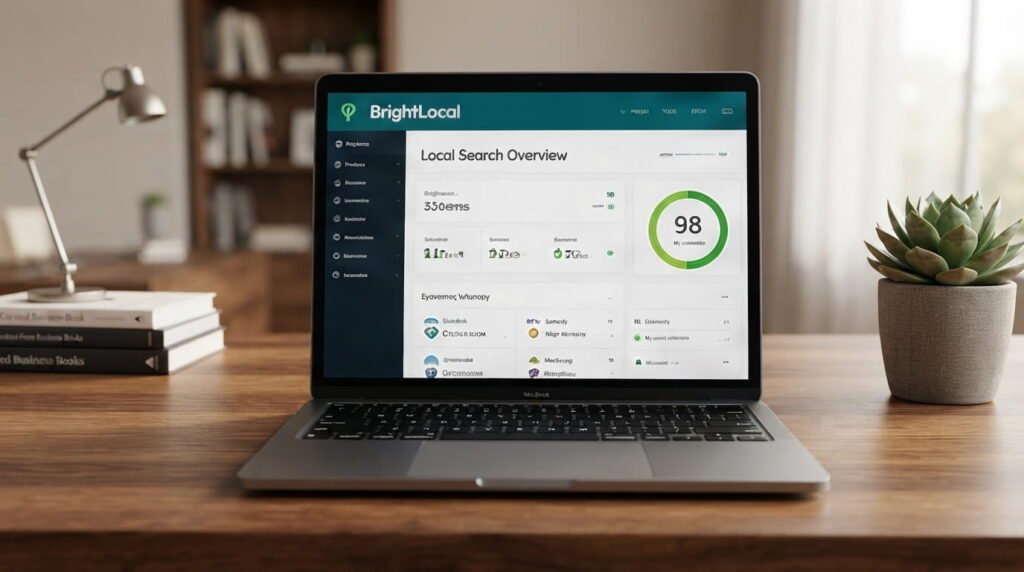
BrightLocal focuses heavily on local SEO. It can help businesses monitor local rankings, manage citations, track reviews, and understand local search performance.
If your customers come from a specific city or service area, local SEO deserves special attention, making tools like this particularly valuable.
Best for: Local businesses and local search optimization.
8. SE Ranking
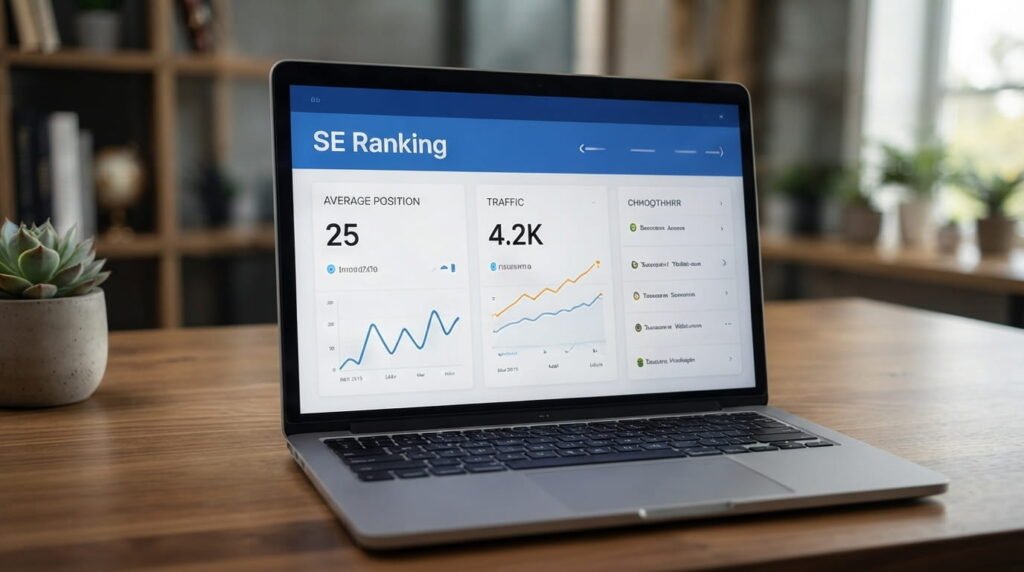
SE Ranking provides keyword rank tracking, website audits, competitor research, backlink monitoring, and other SEO features in one platform.
It can be a practical choice for small businesses that want several core SEO functions without managing multiple separate tools.
Best for: Rank tracking and affordable all-in-one SEO.
9. Keyword Planner
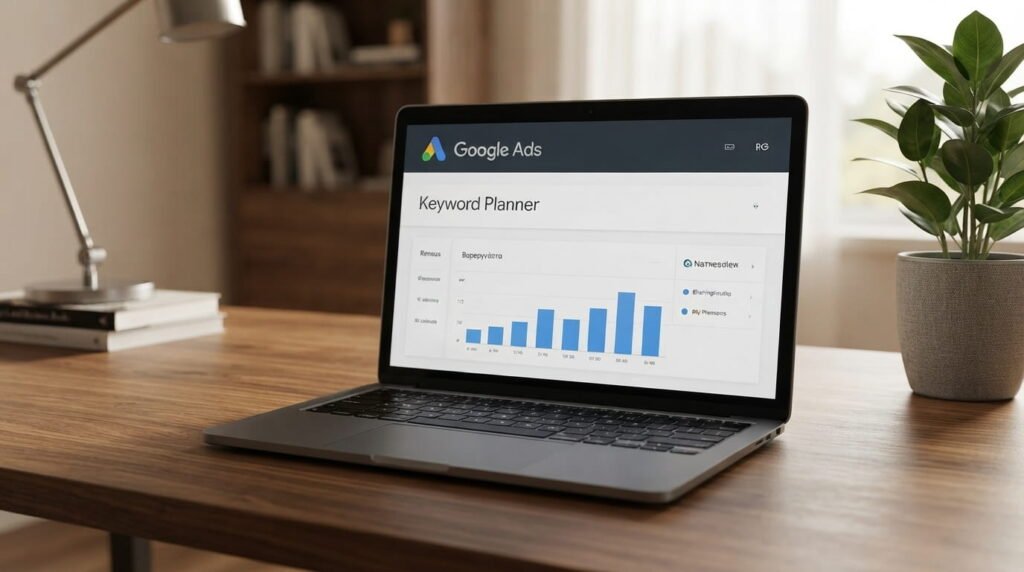
Google Keyword Planner is primarily built for Google Ads, but its keyword data can also support organic SEO research. You can explore related searches and estimate search demand for topics relevant to your business.
Use it alongside other SEO tools rather than relying on it alone for a complete organic strategy.
Best for: Keyword discovery and search-demand research.
10. Yoast SEO
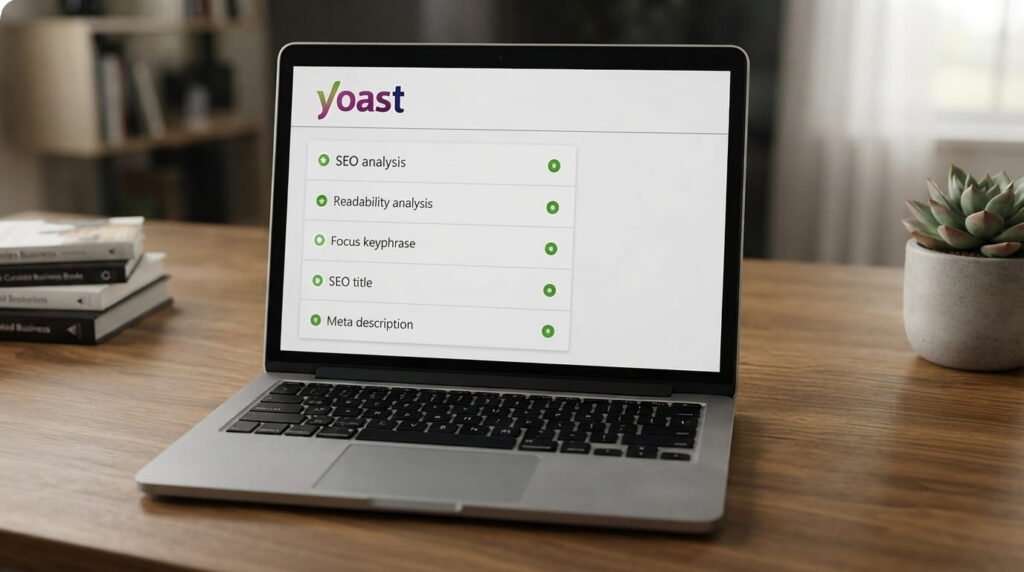
Yoast SEO is especially useful for WordPress websites. It helps with titles, meta descriptions, XML sitemaps, canonical URLs, structured data, and content-focused SEO checks.
It doesn’t replace keyword research or a full SEO strategy, but it makes many everyday on-page optimization tasks easier.
Best for: WordPress on-page SEO.
How to Choose the Right SEO Tool
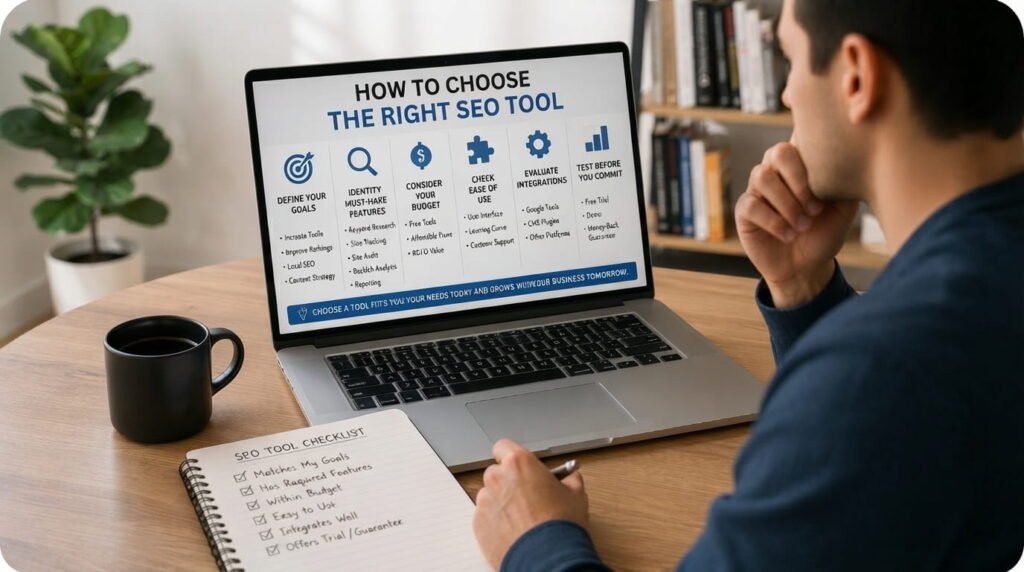
The best tool depends on your goals and budget. If you’re just starting, combine free options such as Google Search Console and Google Analytics with a simple keyword research solution.
As your website grows, an all-in-one platform can save time by bringing keyword research, rank tracking, competitor analysis, and audits together. Local businesses should also prioritize tools that provide accurate local ranking and reputation data.
Most importantly, don’t choose a tool simply because it has the longest feature list. Choose one that you’ll actually use consistently.
Conclusion
The best SEO tools for small businesses can simplify everything from keyword research and technical audits to competitor analysis and performance tracking. Start with the tools that match your immediate goals, learn the data they provide, and build your SEO process gradually.
Whether you’re improving a local service website, an online store, or a content site, the right combination of tools can help you make better decisions and grow organic visibility. Read Hub recommends focusing on useful data and consistent optimization rather than collecting tools you rarely use.
If you have any questions or concerns regarding this topic, feel free to contact us through our Contact Us page or reach out via the WhatsApp button available on Read Hub. We’re always happy to help!
FAQ
What is the best SEO tool for a small business?
Google Search Console is an excellent free starting point. For broader SEO needs, platforms such as Semrush, Ahrefs, or SE Ranking offer more advanced features.
Are free SEO tools enough for small businesses?
They can be enough when you’re starting. Google Search Console, Google Analytics, and Keyword Planner provide valuable data, although paid platforms offer deeper competitor and keyword insights.
Which SEO tool is best for keyword research?
Semrush, Ahrefs, Ubersuggest, and Keyword Planner can all help with keyword research. The best choice depends on your budget and the depth of data you need.
What SEO tool is best for local businesses?
BrightLocal is specifically designed around local SEO, while Google Search Console and Google Business Profile data can also help businesses monitor their search visibility.
Do small businesses really need SEO tools?
Yes, but they don’t need every tool available. A small set of reliable tools can help identify search opportunities, technical problems, competitors, and areas where your website can improve.