
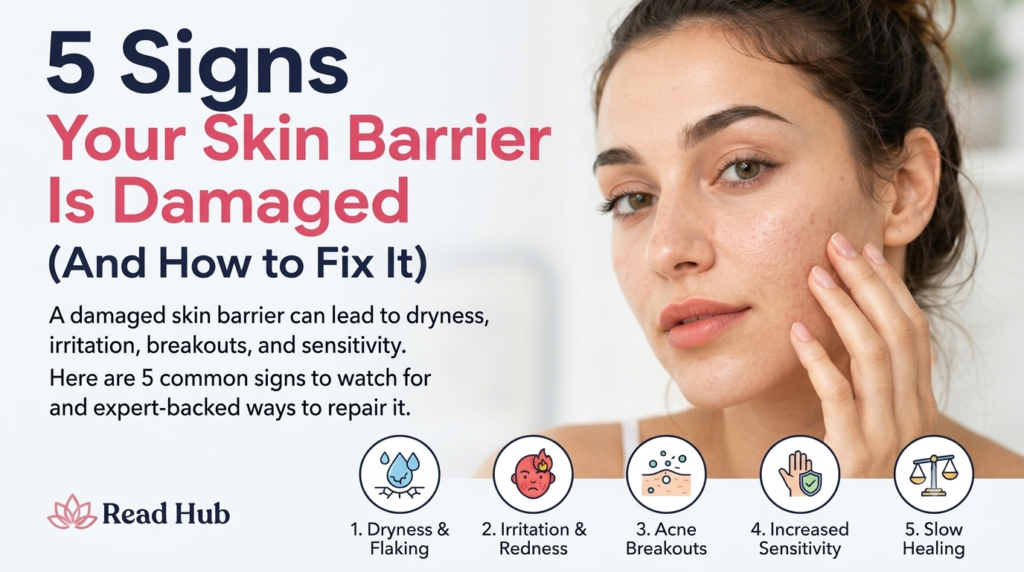
If your skin suddenly feels dry, irritated, or unusually sensitive, your skin barrier may be trying to tell you something. The skin barrier is your body’s first line of defense against pollution, bacteria, and moisture loss. When it’s damaged, even your favorite skincare products can start causing discomfort. Understanding the signs that your skin barrier is damaged can help you take the right steps before the problem gets worse. In this expert-backed guide from Read Hub, you’ll learn the five most common warning signs and practical ways to restore a healthy, resilient complexion.
What Is the Skin Barrier?
The skin barrier, also known as the moisture barrier, is the outermost layer of your skin. Its job is to lock in hydration while keeping harmful irritants out. Over-exfoliating, using harsh skincare products, excessive sun exposure, and environmental stress can weaken this protective layer.
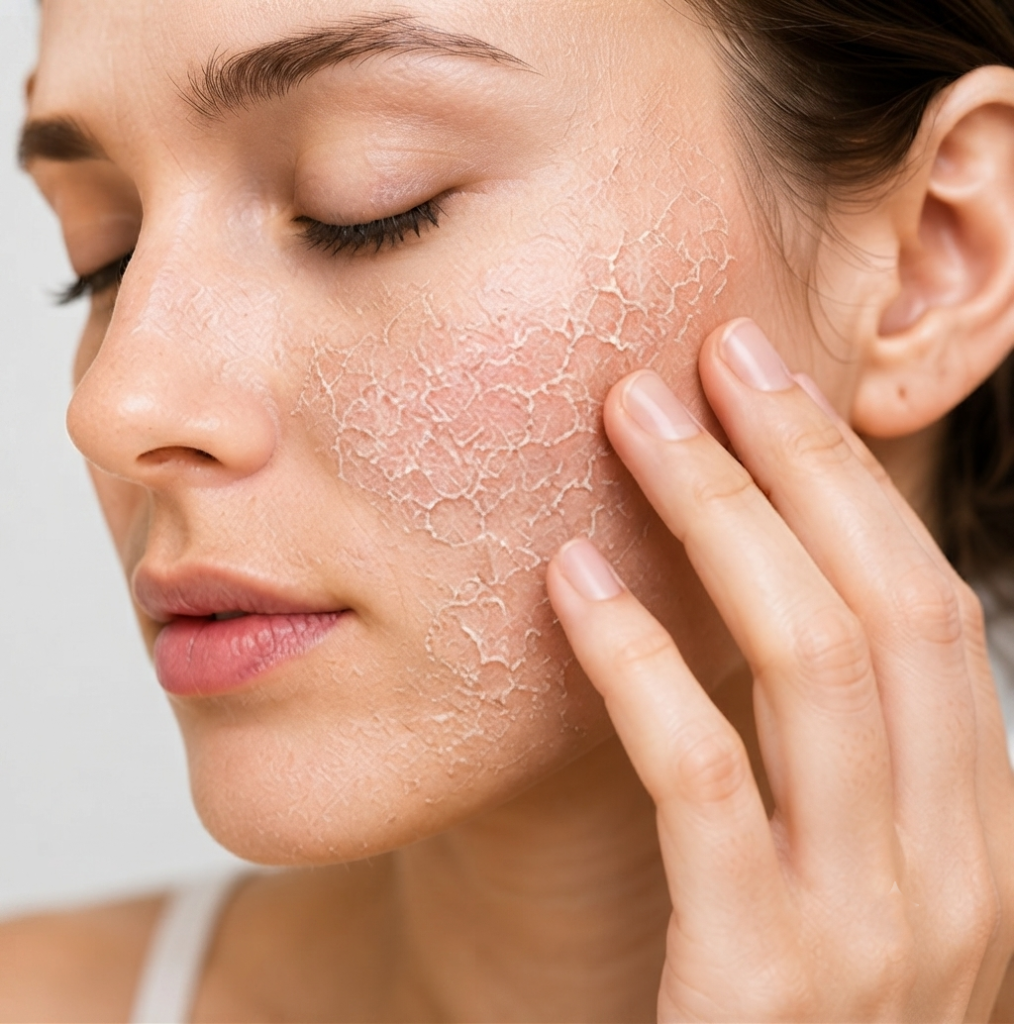
1. Persistent Dryness and Tightness
One of the earliest signs your skin barrier is damaged is skin that feels tight even after moisturizing. A weakened barrier allows moisture to escape, leaving your skin dehydrated.
How to Fix It:
- Use a gentle, fragrance-free cleanser.
- Apply a moisturizer with ceramides or hyaluronic acid.
- Avoid hot water when washing your face.
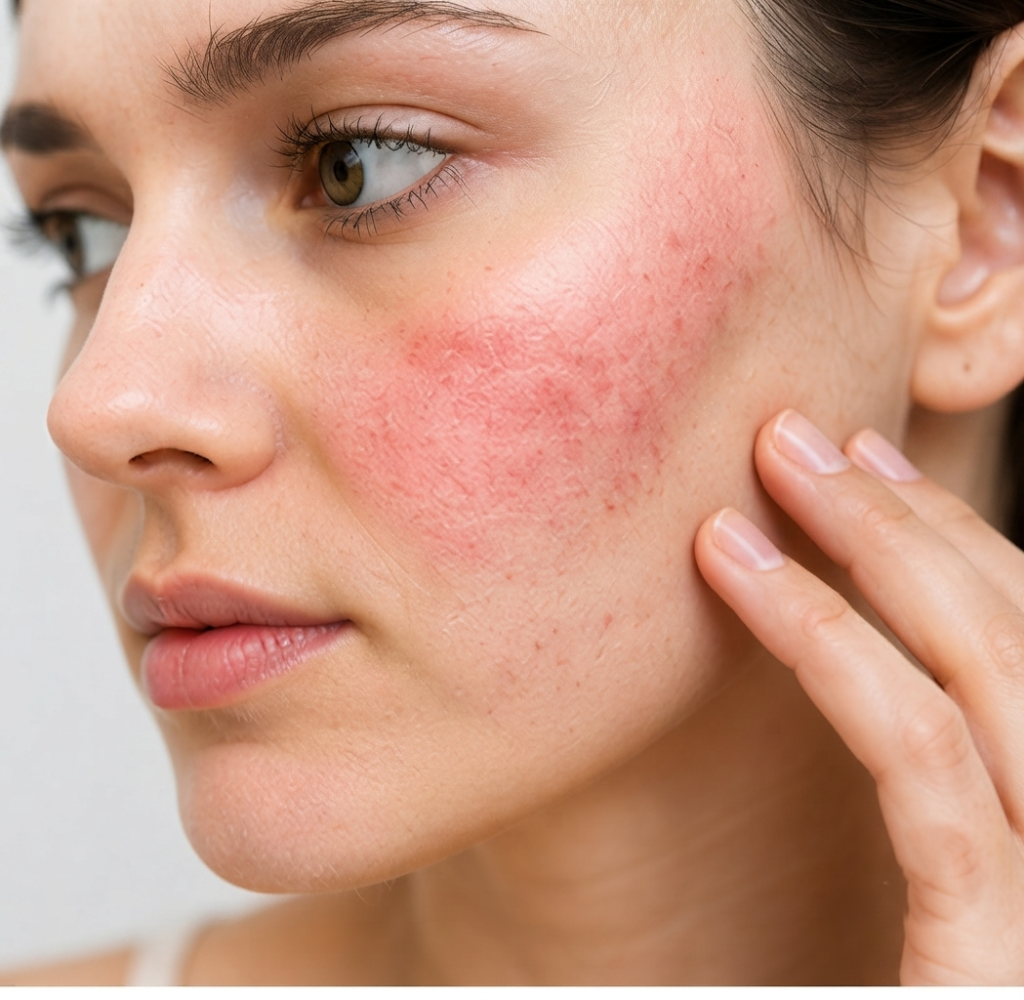
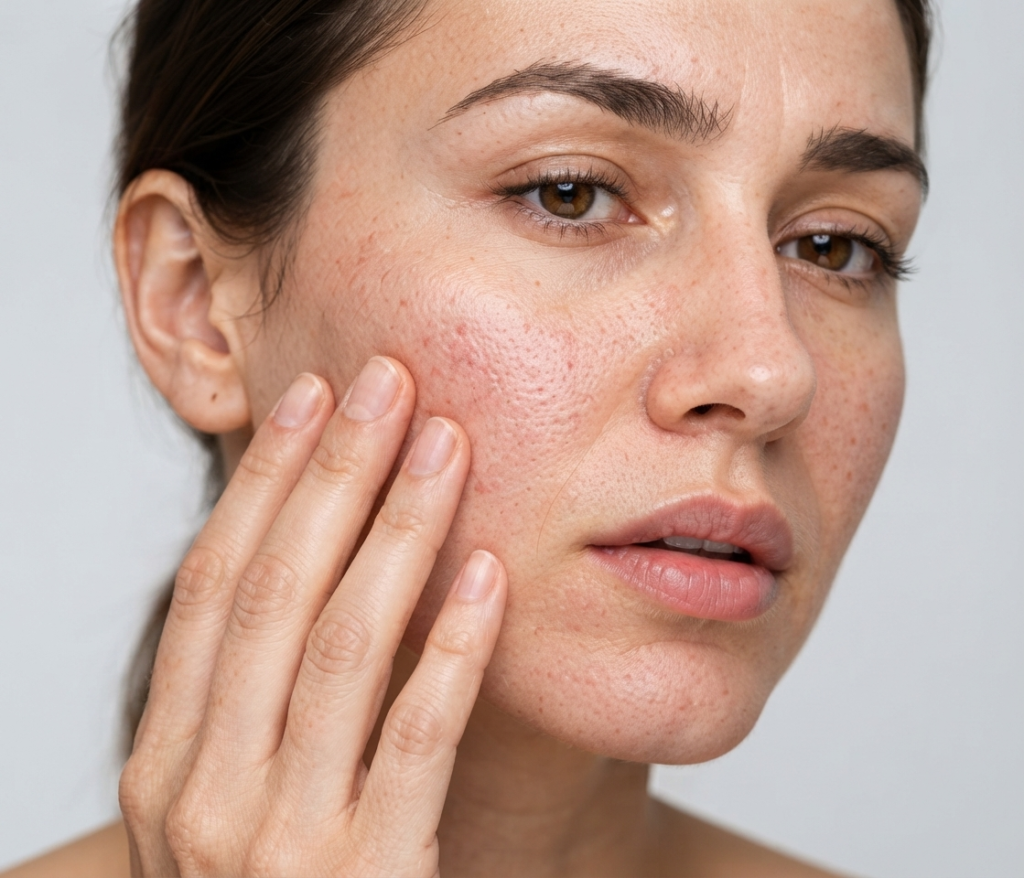
2. Redness and Irritation
If your skin appears red or burns after applying products you’ve used for years, your barrier may be compromised.
How to Fix It:
- Pause strong active ingredients like retinol and exfoliating acids.
- Choose calming ingredients such as aloe vera, oat extract, or panthenol.
- Keep your skincare routine simple until your skin recovers.
3. Increased Skin Sensitivity
Does your skin sting when applying moisturizer or sunscreen? Increased sensitivity often means your skin barrier isn’t functioning properly.
How to Fix It:
- Stick to products designed for sensitive skin.
- Avoid products containing alcohol or strong fragrances.
- Introduce new products slowly, one at a time.
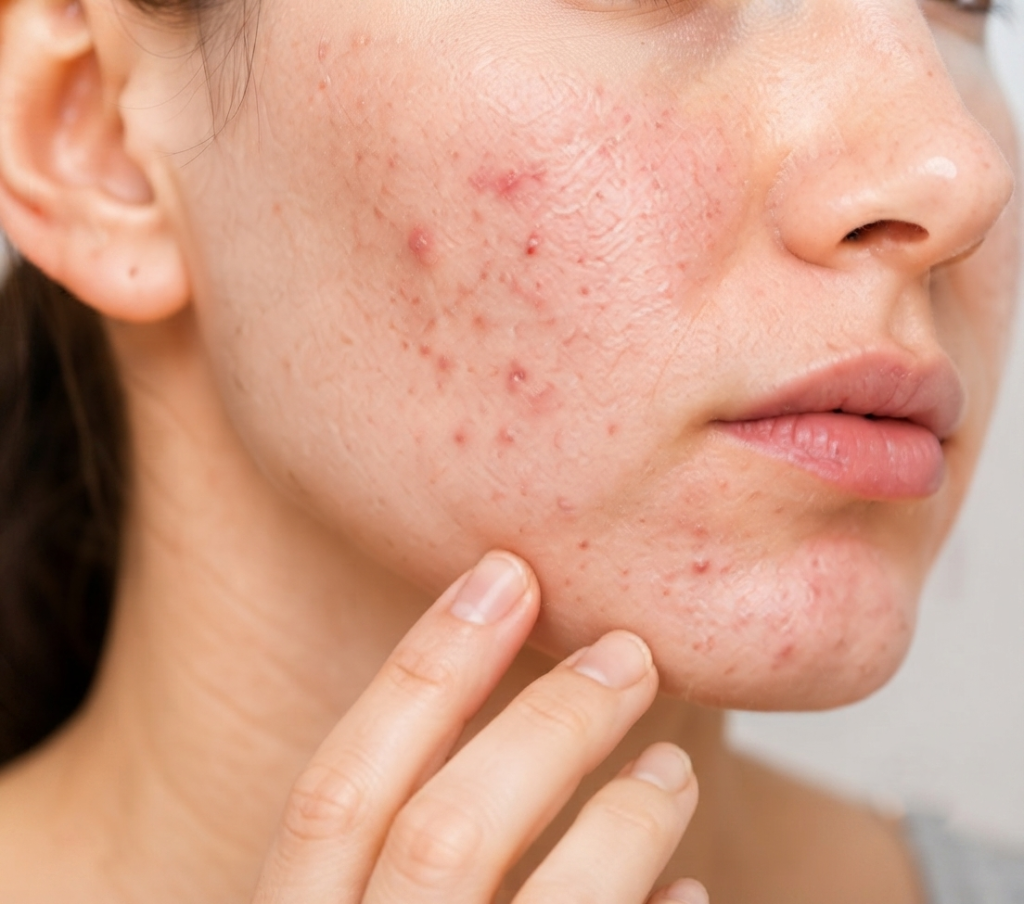
4. Frequent Breakouts
A damaged barrier can disrupt your skin’s natural balance, making it easier for bacteria and irritation to trigger acne or small bumps.
How to Fix It:
- Avoid over-cleansing.
- Use non-comedogenic skincare products.
- Focus on repairing your skin before treating acne aggressively.
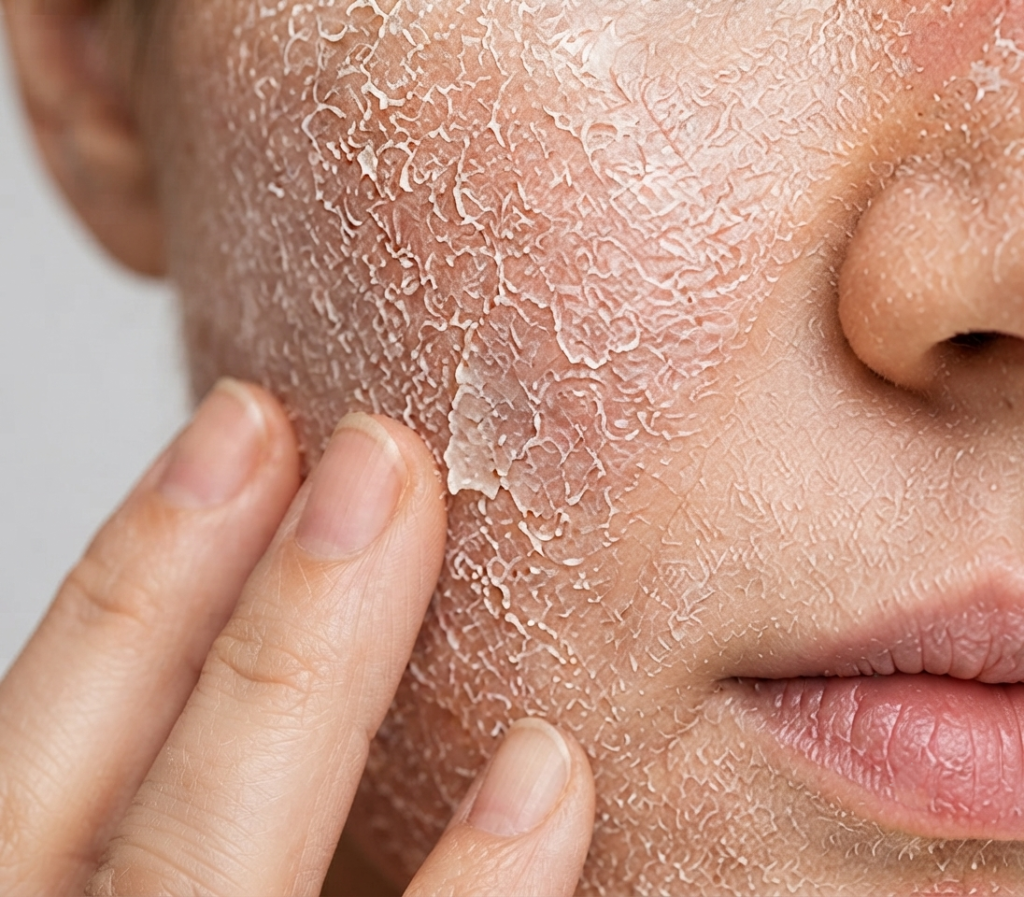
5. Flaky or Rough Texture
When your skin barrier is damaged, dead skin cells don’t shed properly. The result is rough, flaky, uneven skin that often looks dull.
How to Fix It:
- Moisturize consistently.
- Avoid physical scrubs.
- Support skin repair with ingredients like ceramides, squalane, and niacinamide.
How to Repair a Damaged Skin Barrier
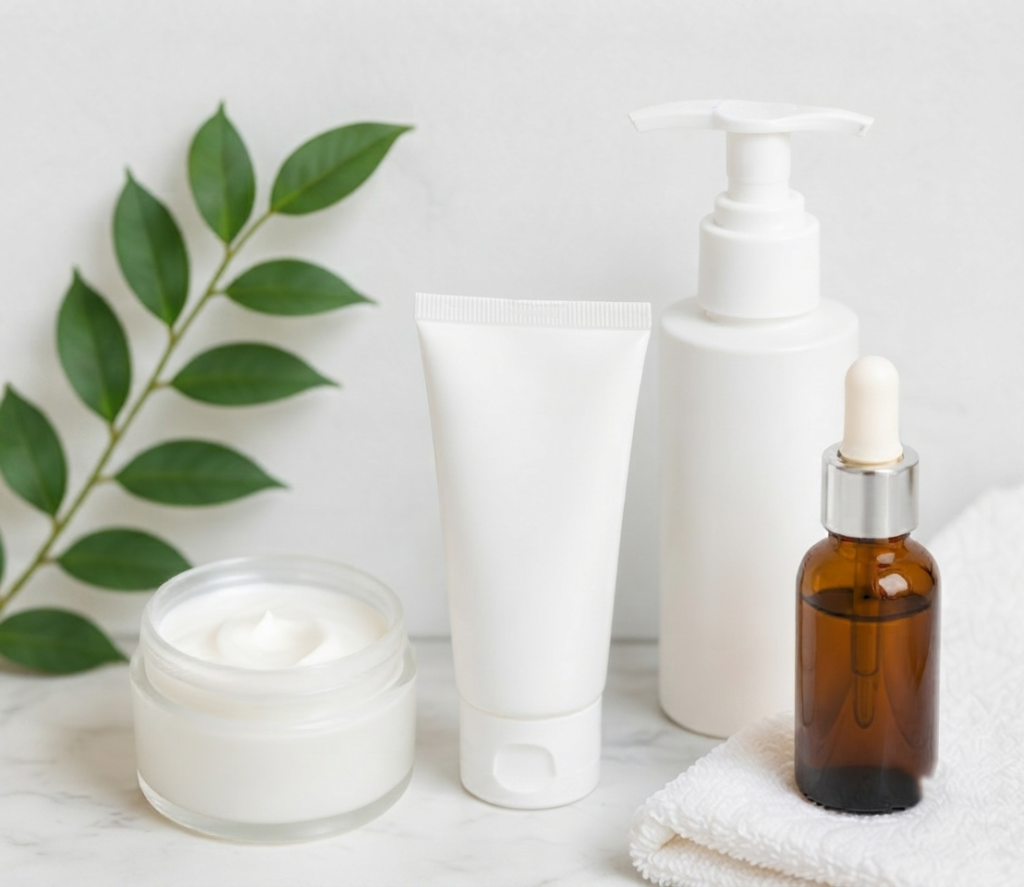
Healing your skin barrier takes patience and consistency. Dermatologists often recommend following these simple habits:
- Use a gentle cleanser twice daily.
- Moisturize morning and night.
- Wear SPF 30 or higher every day.
- Avoid over-exfoliating.
- Drink enough water and eat a balanced diet.
- Give your skin time to recover before adding active ingredients back into your routine.
Most people notice improvement within a few weeks when they follow a gentle skincare routine consistently.
Conclusion
Recognizing the signs that your skin barrier is damaged early can prevent long-term irritation and help restore healthy, glowing skin faster. Small changes—such as simplifying your skincare routine, using barrier-supporting ingredients, and protecting your skin from the sun—can make a significant difference. At Read Hub, we believe that healthy skin starts with understanding your skin’s needs rather than chasing trends.
If you have any questions or concerns regarding this topic, feel free to contact us through our Contact Us page or reach out via the WhatsApp button available on Read Hub. We’re always happy to help!
Frequenlty Asked Questions(FAQs):
1. How do I know if my skin barrier is damaged?
Most mild cases improve within two to four weeks with a gentle skincare routine, although severe damage may take longer.
2. How long does it take to repair a damaged skin barrier?
Most mild cases improve within two to four weeks with a gentle skincare routine, although severe damage may take longer.
3. Which ingredients help repair the skin barrier?
Ceramides, hyaluronic acid, niacinamide, squalane, glycerin, and panthenol are among the most effective barrier-repair ingredients.
4. Should I stop using retinol if my skin barrier is damaged?
Yes. It’s best to pause retinol, exfoliating acids, and other strong active ingredients until your skin has healed.
5. Can sunscreen help protect a damaged skin barrier?
Absolutely. Daily broad-spectrum sunscreen helps prevent further damage from UV rays and supports the healing process.