
Technology has transformed the way people live, making smart homes more popular than ever. From controlling lights with your smartphone to automating security systems and adjusting the thermostat remotely, smart home technology offers convenience that traditional homes simply can’t match. However, traditional homes still have their own strengths, including lower upfront costs and simpler maintenance.
If you’re deciding whether to upgrade your current home or buy a new one, understanding the differences is essential. In this guide, Read Hub compares smart home vs traditional home to help you choose the option that best fits your lifestyle, budget, and long-term needs.
What Is a Smart Home?
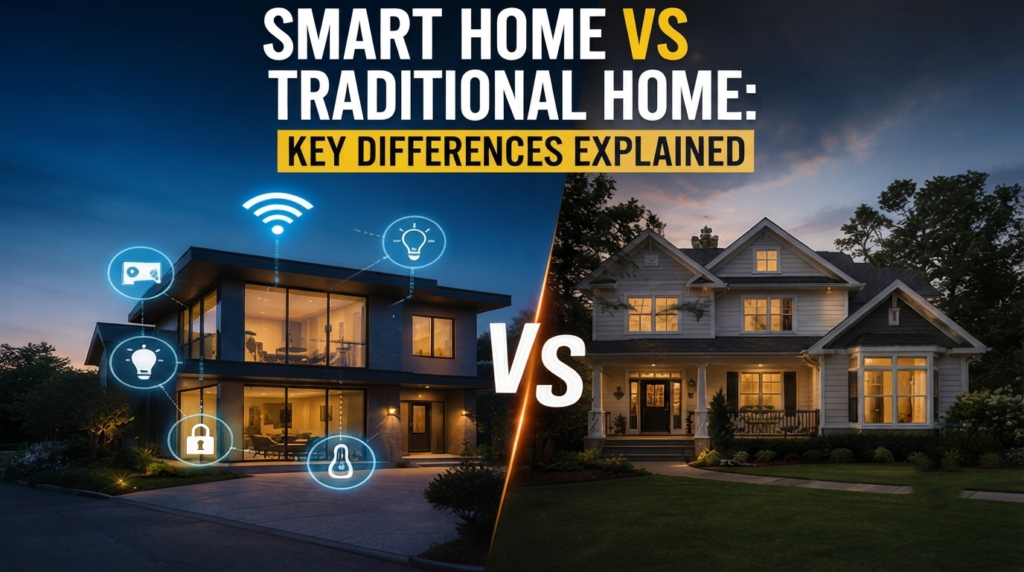
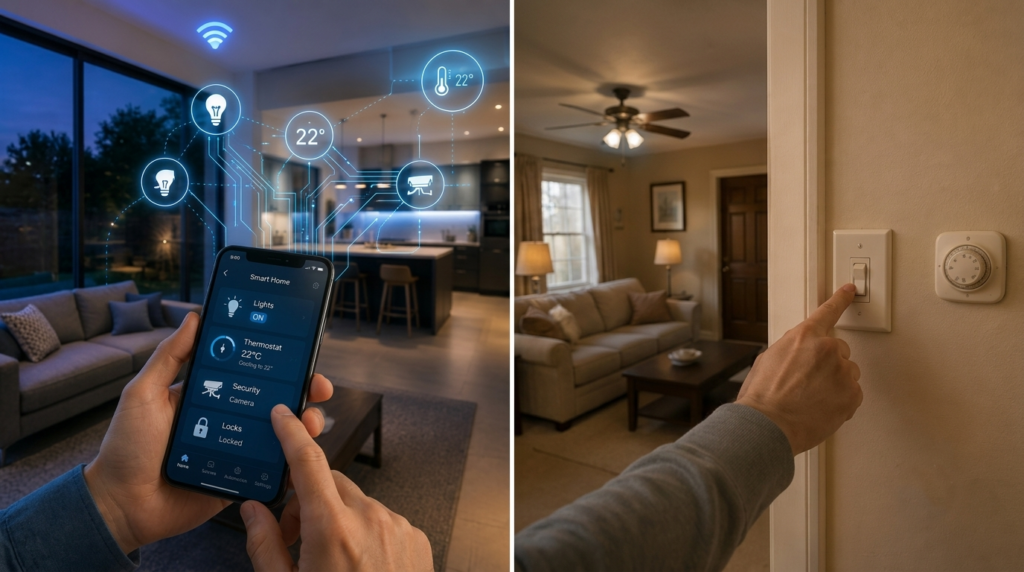
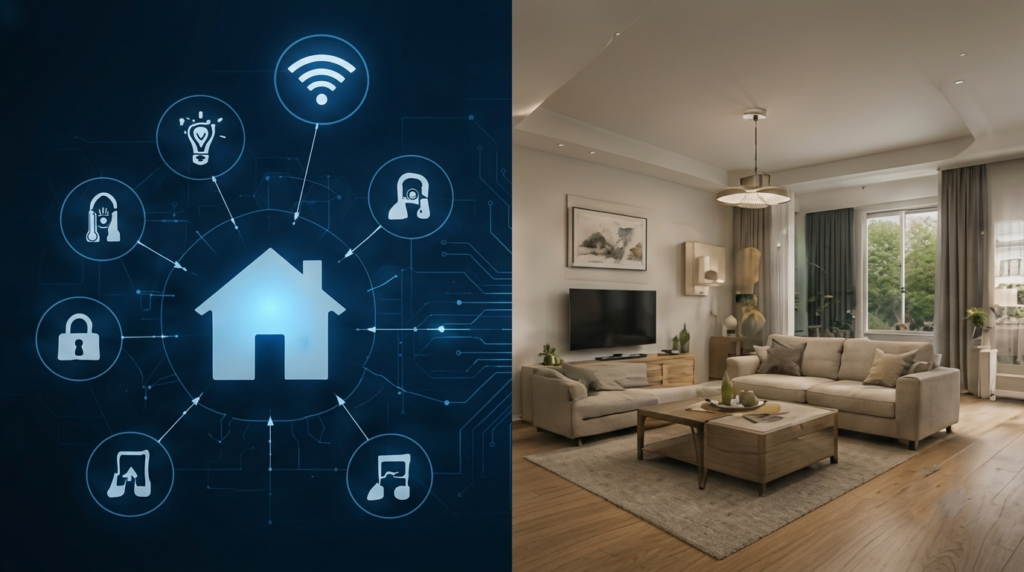
A smart home uses internet-connected devices that allow homeowners to monitor, control, and automate different systems from a smartphone, tablet, or voice assistant. Common smart home devices include smart lighting, security cameras, smart locks, thermostats, video doorbells, and voice-controlled assistants.
These devices communicate with each other to improve comfort, security, and energy efficiency. Many homeowners also create automation routines, such as turning off lights automatically when leaving the house or adjusting room temperatures based on daily schedules.
What Is a Traditional Home?
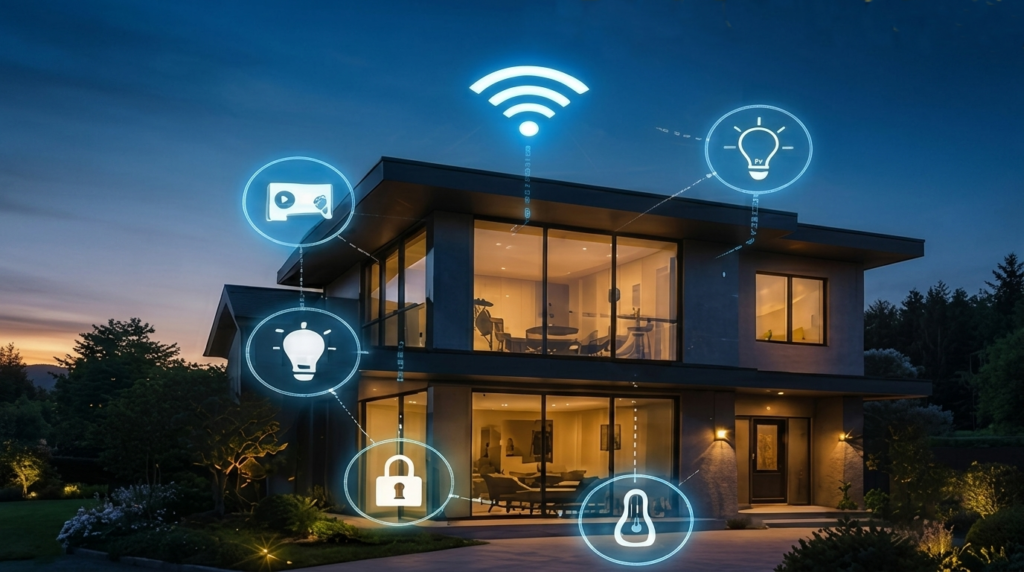
A traditional home relies on manual operation instead of connected technology. Lights are switched on manually, doors use standard locks, and heating or cooling systems require physical adjustments. While traditional homes lack advanced automation, they remain reliable, easier to maintain, and generally involve lower installation costs.
Many homeowners still prefer traditional homes because they don’t depend on internet connectivity, software updates, or smart devices that require regular maintenance.
Smart Home vs Traditional Home: Key Differences
Convenience
Smart homes provide unmatched convenience by allowing you to control multiple household devices remotely. Whether you’re adjusting the thermostat before arriving home or checking security cameras while traveling, automation makes everyday tasks easier. Traditional homes require manual operation for nearly every function.
Security
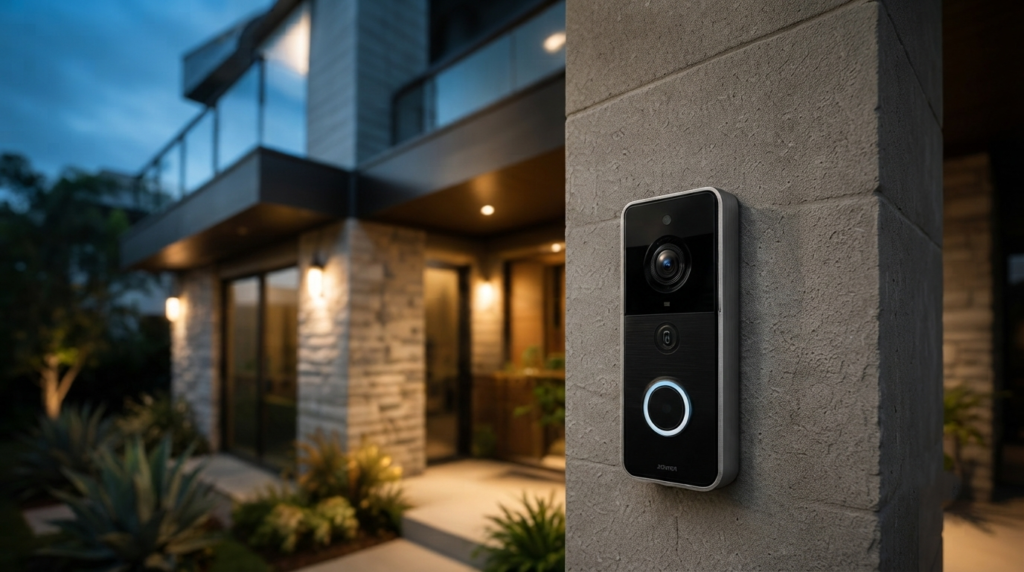
Modern smart homes offer advanced security features such as smart locks, motion sensors, video doorbells, real-time alerts, and remote monitoring. These systems help homeowners respond quickly to unusual activity. Traditional homes usually rely on standard locks and basic alarm systems, offering less flexibility and remote access.
Energy Efficiency
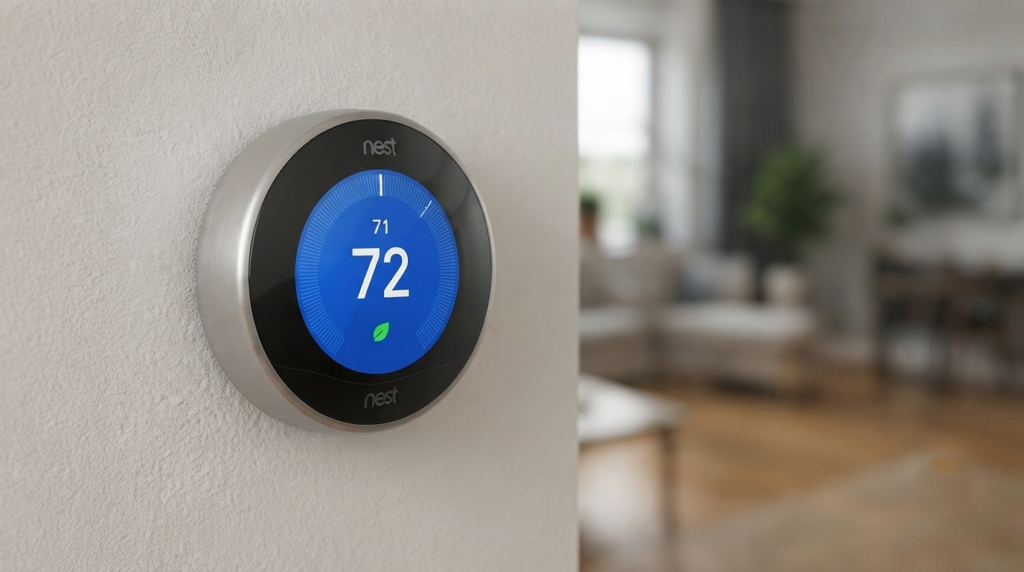
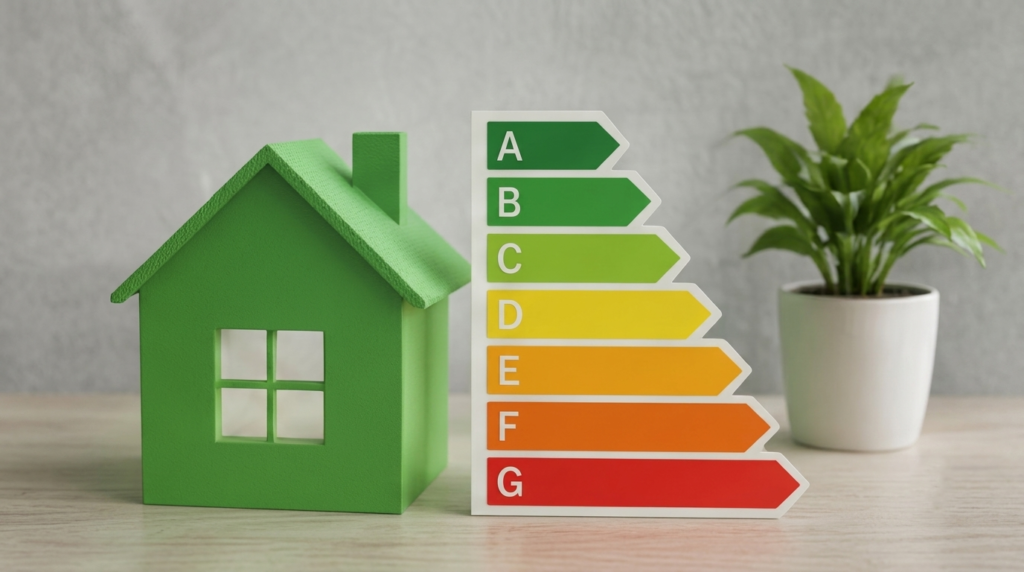
One of the biggest advantages of smart homes is energy management. Smart thermostats, automated lighting, and energy-monitoring devices reduce unnecessary electricity usage and can lower monthly utility bills. Traditional homes generally consume more energy because appliances and lighting are manually controlled.
Installation Cost
Traditional homes are typically less expensive to set up because they don’t require specialized technology. Smart homes often involve higher upfront costs for connected devices, installation, and networking equipment. However, many homeowners recover part of that investment through lower energy bills and improved efficiency.

Daily Maintenance
Traditional homes require minimal technical maintenance, while smart homes need occasional software updates, Wi-Fi connectivity, and device management. Although smart systems are becoming more reliable, homeowners should still expect regular updates to keep devices secure and functioning properly.
Pros and Cons of Smart Homes
Smart homes offer convenience, automation, and better control over everyday tasks. Features like remote monitoring, voice assistants, and automated lighting make daily life more comfortable while improving home security and energy efficiency. However, they also come with higher upfront costs, require a stable internet connection, and may need regular software updates to keep devices running smoothly.
Pros and Cons of Traditional Homes
Traditional homes remain a practical choice for many homeowners because they are simple to operate and generally less expensive to maintain. There is no need to manage connected devices or worry about internet outages affecting home functions. On the downside, traditional homes lack automation, remote access, and the energy-saving features that modern smart home technology provides.
Which Home Is Right for You?
Choosing between a smart home vs traditional home depends on your lifestyle, budget, and long-term goals.
A smart home is a great option if you:
- Want greater convenience and automation.
- Value advanced home security features.
- Aim to reduce energy consumption.
- Enjoy using the latest technology.
A traditional home may be the better choice if you:
- Prefer a lower upfront investment.
- Want a home that’s simple to maintain.
- Don’t rely heavily on smart devices.
- Prefer manual control over household systems.
For many homeowners, a hybrid approach works best. You can gradually upgrade a traditional home by adding smart devices like video doorbells, smart thermostats, or security cameras without investing in a fully automated system.
Conclusion
The debate between a smart home vs traditional home comes down to personal preferences and priorities. Smart homes provide unmatched convenience, energy efficiency, and enhanced security through connected technology, while traditional homes offer simplicity, reliability, and lower maintenance costs. By understanding the strengths and limitations of each option, you can choose a home that fits your lifestyle and budget.
At Read Hub, we recommend evaluating your daily needs, future plans, and financial goals before making a decision. The right choice is the one that offers the best balance of comfort, functionality, and long-term value.
If you have any questions or concerns regarding this topic, feel free to contact us through our Contact Us page or reach out via the WhatsApp button available on Read Hub. We’re always happy to help!
FAQ
Which is better: a smart home or a traditional home?
A smart home is ideal for people who want automation, remote access, and improved energy efficiency. A traditional home is better suited for those who prefer simplicity, lower installation costs, and minimal technical maintenance. The right choice depends on your lifestyle and budget.
Are smart homes more expensive than traditional homes?
Yes, smart homes usually require a higher initial investment because of connected devices and installation costs. However, many homeowners offset these expenses over time through lower energy bills, improved security, and increased convenience.
Can I turn a traditional home into a smart home?
Absolutely. You can upgrade a traditional home gradually by installing smart devices such as thermostats, lighting systems, video doorbells, smart locks, and security cameras. This allows you to enjoy smart home features without replacing your entire home setup.
Do smart homes save energy?
Yes. Smart thermostats, automated lighting, and energy-monitoring systems help reduce unnecessary electricity usage by adjusting settings based on your habits. This can improve efficiency and lower monthly utility costs over time
Are smart homes safe from cyber threats?
Most modern smart home devices include strong security features, but it’s important to keep software updated, use secure Wi-Fi networks, and create strong passwords. Following these basic security practices helps protect your devices and personal information.