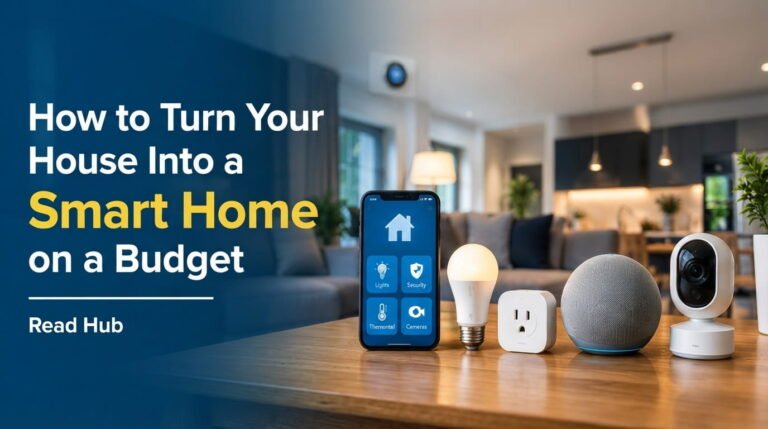

Smart home technology is no longer limited to expensive, complicated systems that require professional installation. Today, homeowners can add useful devices to their homes one at a time and immediately improve everyday convenience, security, and energy management. From smart lights and video doorbells to smart plugs and thermostats, the right smart home accessories can make routine tasks easier without completely changing how your home works. Whether you’re setting up your first connected home or upgrading an existing one, choosing practical devices that solve real problems is a better approach than simply buying every new gadget available.
1. Smart Video Doorbell
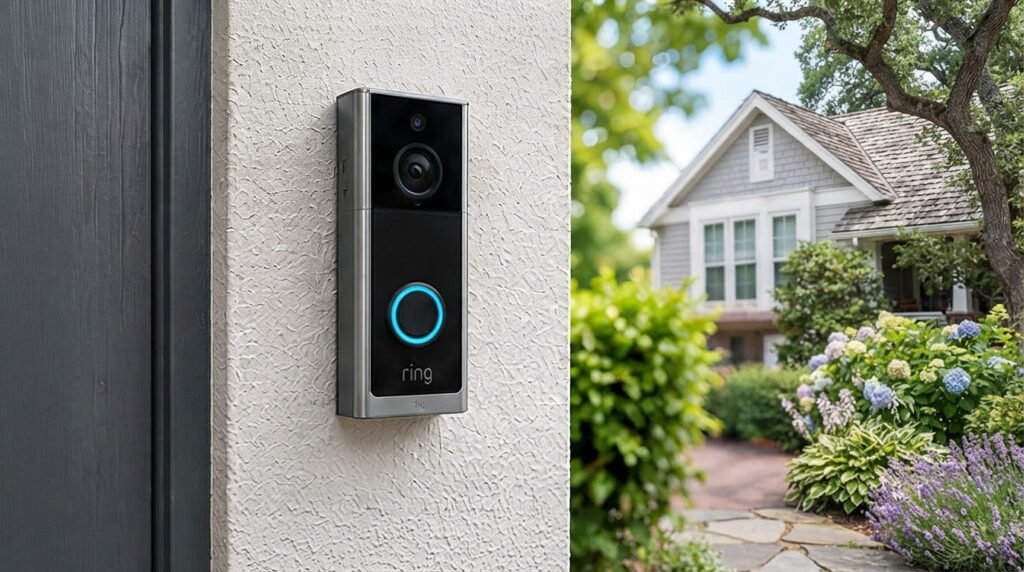
A smart video doorbell is one of the most useful additions for homeowners who want better awareness of what’s happening at their front door. Depending on the model, it can provide motion alerts, two-way communication, video recording, and notifications when someone approaches your property. It can be especially helpful when you’re away from home or expecting a delivery. Before buying one, check whether it works with your existing Wi-Fi network, preferred smart-home platform, and doorbell wiring if you plan to install a wired model.
2. Smart Lighting
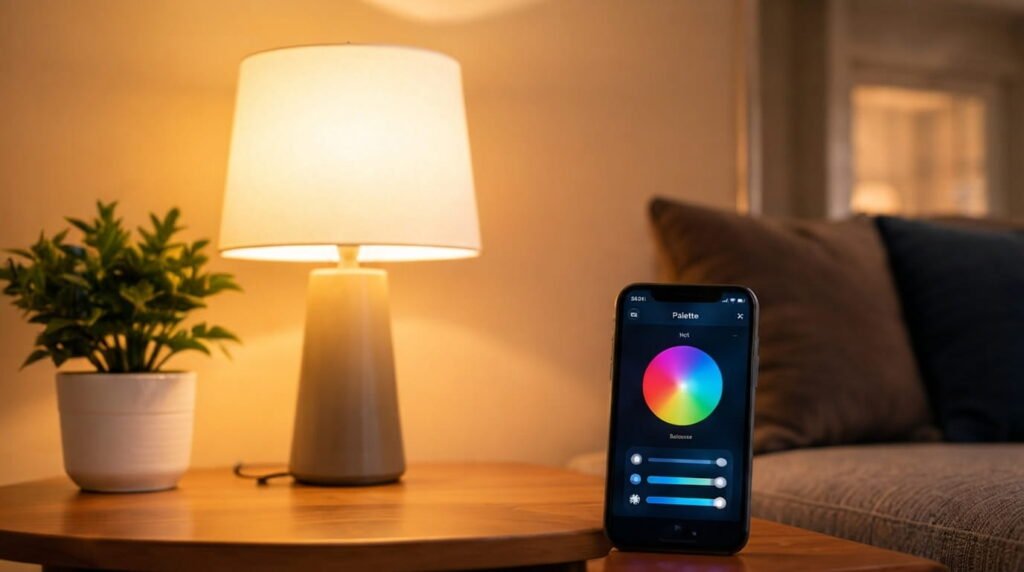
Smart bulbs and switches make everyday lighting more convenient while giving you greater control over your home. You can turn lights on or off from your phone, create schedules, adjust brightness, and, with compatible products, control them using voice commands. Smart lighting can also be useful when you’re away because scheduled lights can make your home appear occupied. If you’re starting small, replacing a few frequently used bulbs with smart versions is an easy way to test the technology without upgrading every light in the house.
3. Smart Plugs
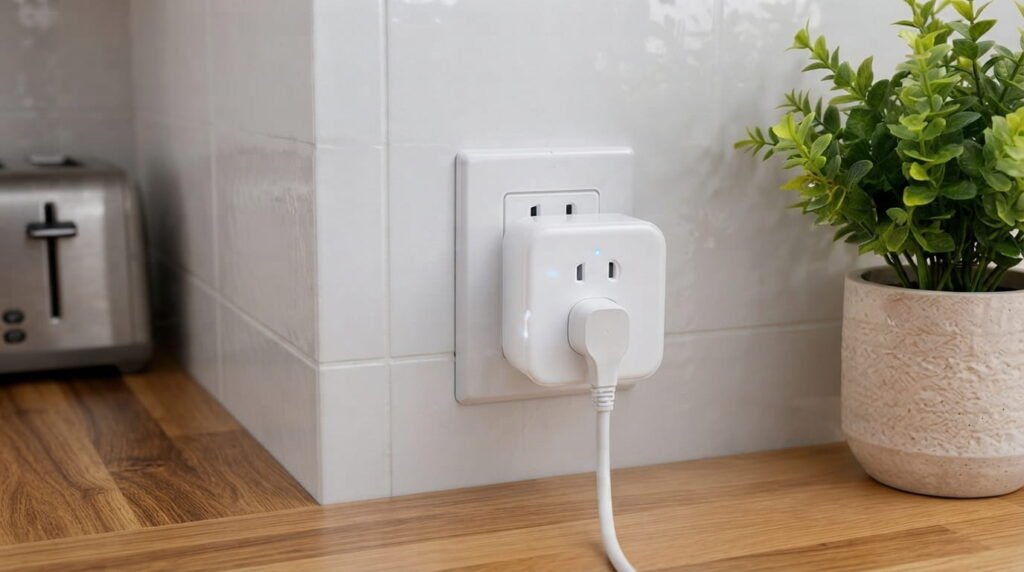
Smart plugs are among the simplest and most affordable ways to add automation to existing appliances. They connect between an electrical outlet and a compatible device, allowing you to control that device through an app or compatible smart-home system. They can be useful for lamps, fans, and other appropriate appliances that you want to operate on a schedule. However, always check the smart plug’s electrical rating and the appliance manufacturer’s instructions before connecting anything that draws significant power.
4. Smart Thermostat
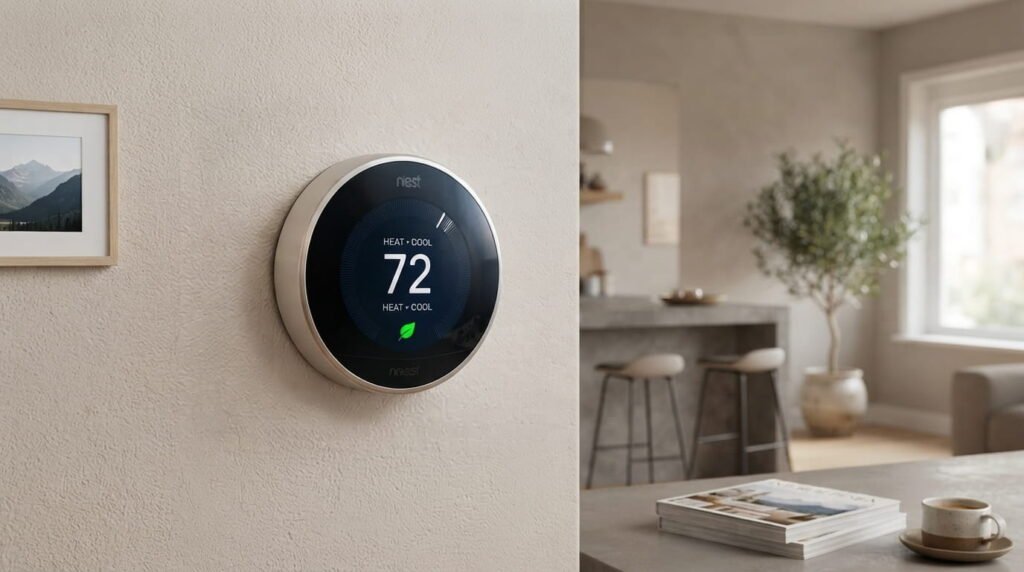
A smart thermostat can make temperature control more convenient while helping homeowners manage heating and cooling more efficiently. Many models offer programmable schedules, remote control through an app, and features that adjust operation based on usage patterns or occupancy. However, compatibility is important because not every thermostat works with every heating and cooling system. Before purchasing one, check your HVAC system and wiring requirements, and follow the manufacturer’s installation instructions or use a qualified professional when necessary.
5. Smart Security Cameras
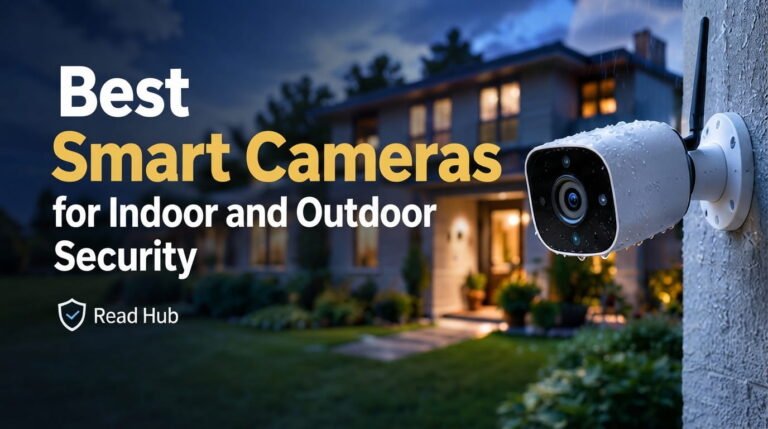
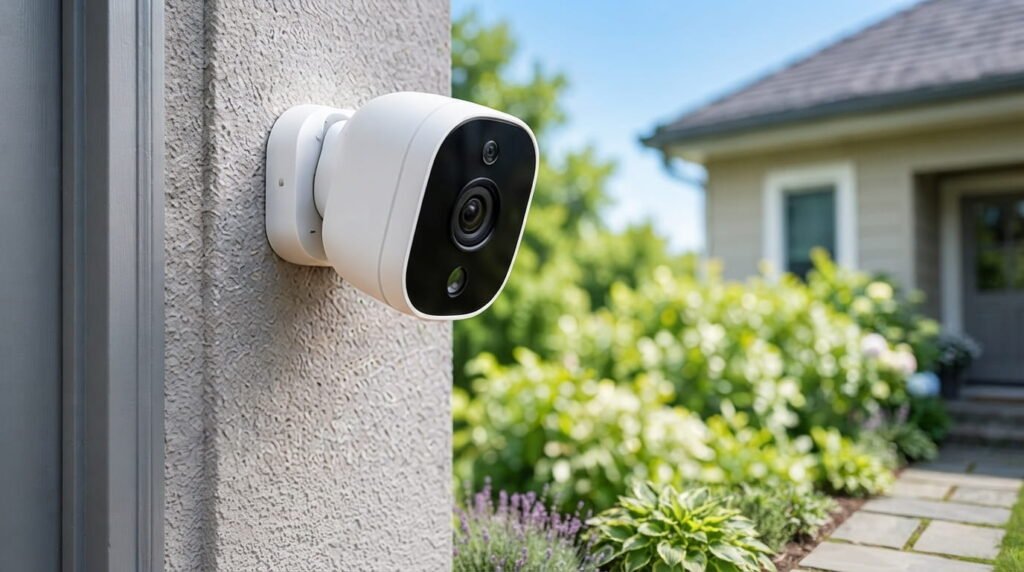
Indoor and outdoor smart security cameras can provide another layer of awareness around your property. Depending on the device, features may include motion notifications, night vision, two-way audio, local or cloud storage, and activity detection. When choosing a camera, consider where it will be installed, how recordings are stored, subscription requirements, weather resistance for outdoor use, and the manufacturer’s privacy and security features. Position cameras carefully so they monitor your property without unnecessarily capturing private areas belonging to neighbors or other people.
6. Smart Home Hub
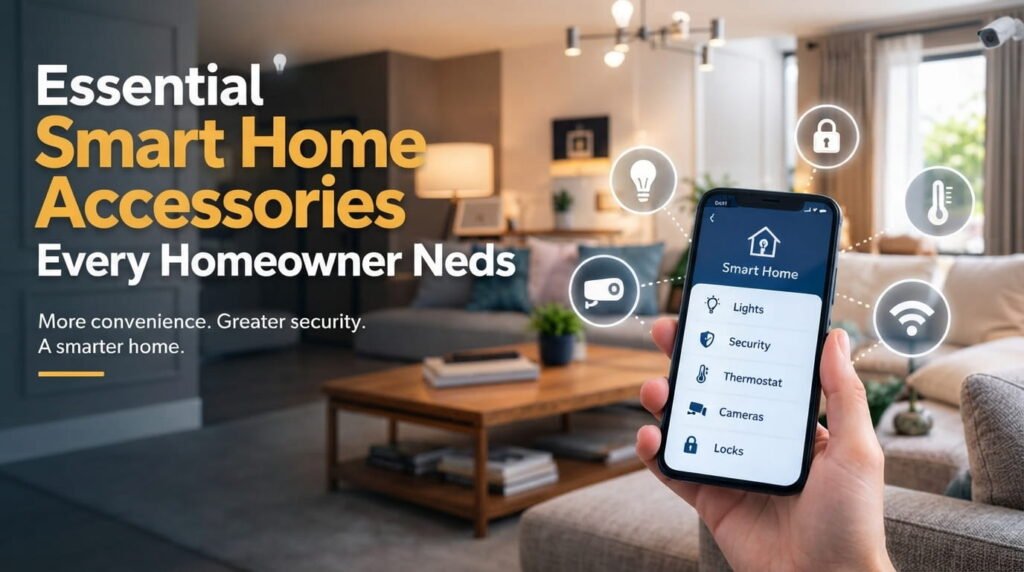
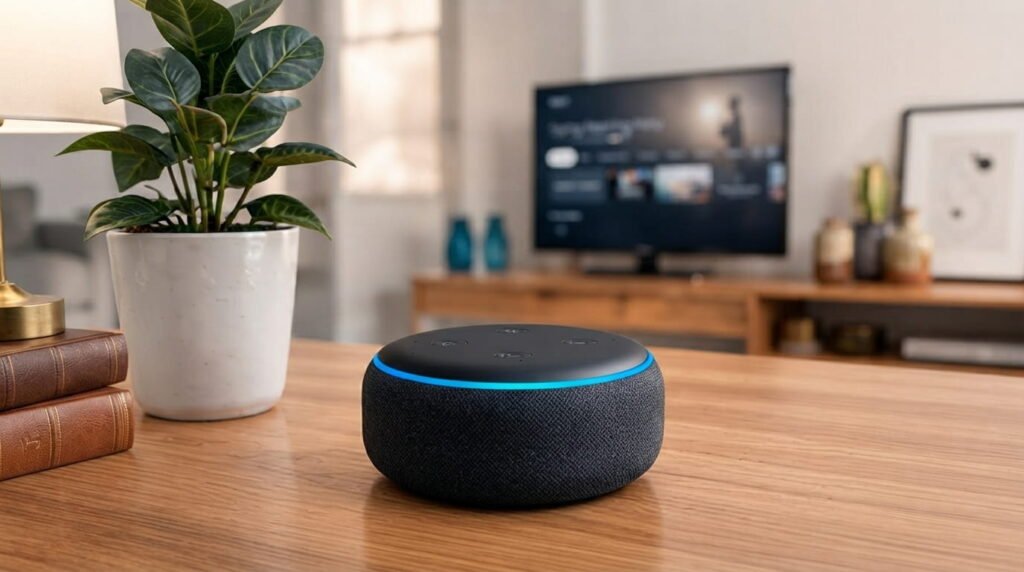
A smart home hub can bring compatible devices together so you can manage different parts of your home from a more centralized system. This can be particularly useful as your collection of smart devices grows because you may otherwise end up managing several separate apps. Before choosing a hub, check compatibility with the devices you already own and the smart-home ecosystem you prefer. Standards such as Matter are also designed to improve interoperability between compatible smart-home products, making compatibility an important consideration when building a system for the long term.
Conclusion
The best smart home accessories are not necessarily the most expensive or feature-packed devices. They are the ones that solve everyday problems and fit naturally into your home. A video doorbell can improve awareness around your entrance, smart lighting can simplify daily routines, and devices such as smart plugs, thermostats, cameras, and hubs can gradually make your home more connected. Start with the areas where you need the most convenience or security, then expand your setup as needed. Read Hub brings you practical technology and home-improvement information to help you make more informed choices.
If you have any questions or concerns regarding this topic, feel free to contact us through our Contact Us page or reach out via the WhatsApp button available on Read Hub. We’re always happy to help!
FAQ
What are the most useful smart home accessories?
Some of the most practical options include smart video doorbells, smart lights, smart plugs, smart thermostats, security cameras, and compatible smart home hubs. The right combination depends on your home’s needs and existing devices.
Are smart home devices difficult to install?
Many consumer smart-home devices are designed for relatively simple installation, especially smart bulbs and plugs. However, products involving electrical wiring, HVAC systems, or permanent installation may require additional knowledge or professional assistance.
Do all smart home accessories work together?
No. Compatibility varies between products and smart-home platforms. Before buying a device, check which platforms, standards, and ecosystems it supports. Matter-compatible products can offer broader interoperability when supported by the devices and platform.
Can smart home accessories save energy?
Some devices can help homeowners manage energy use more effectively. Smart thermostats can automate temperature settings, while smart lighting and plugs can help prevent unnecessary operation. Actual savings depend on the device, settings, home, and how it is used.
What should I consider before buying smart home devices?
Check compatibility, Wi-Fi requirements, installation needs, privacy and security features, subscription costs, warranty, and whether the device provides a useful function you actually need. Avoid buying gadgets simply because they have a long list of features.