

If your credit score is lower than you would like, you don’t necessarily have to wait years to see improvement. Learning how to improve your credit score quickly starts with focusing on the factors that have the biggest impact, especially payment history, credit card balances, and errors on your credit reports. Some improvements can appear after the next reporting cycle, while larger changes may take longer. The key is knowing what to prioritize instead of trying random credit-building tricks. In this guide, Read Hub explains practical steps you can take today to give your credit score the best chance of improving.

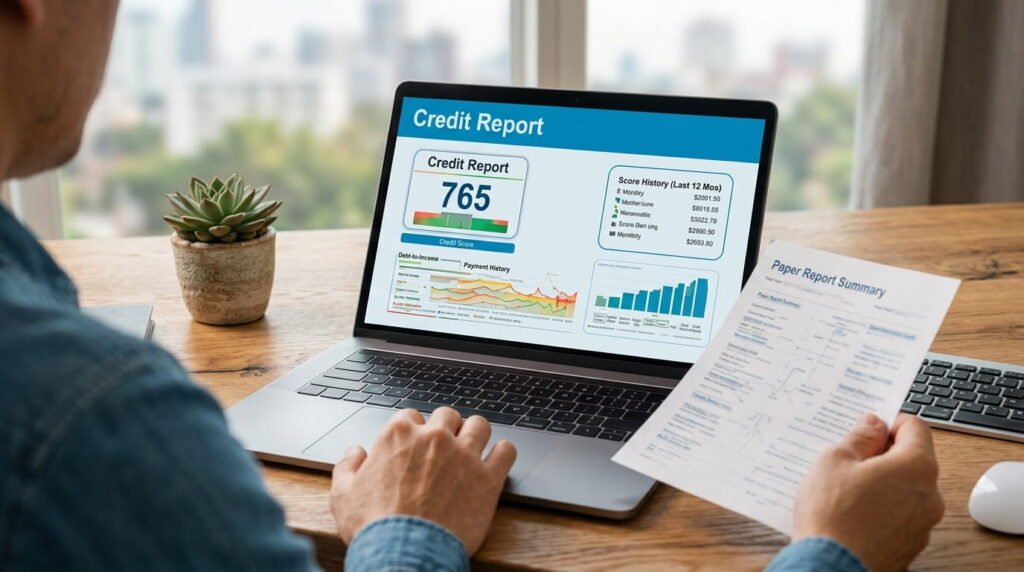
1. Check Your Credit Reports for Errors
Before trying to fix your credit, find out exactly what is affecting your score. Review your credit reports for incorrect balances, accounts you don’t recognize, inaccurate payment information, or debts that should no longer appear.
If you find an error, dispute it with the appropriate credit bureau and provide supporting documentation. Correcting inaccurate information can sometimes produce a meaningful improvement.
Practical tip: Don’t just look at your score. Read the actual account information on your credit reports.
2. Pay Every Bill on Time
Payment history is one of the most important parts of your credit profile. A missed payment can hurt your score, particularly if it becomes seriously overdue.
Set up automatic payments or calendar reminders for credit cards, loans, and other accounts that report payment information. Even if you can only afford the minimum payment, paying on time is generally better than missing the due date.
The goal is simple: never miss a payment if you can avoid it.

3. Lower Your Credit Card Balances
One of the fastest areas to target is your credit utilization ratio. This compares the amount of revolving credit you’re using with your available credit.
For example, if you have a $5,000 credit limit and a $2,500 balance, your utilization is 50%. Reducing that balance can make your credit profile look healthier.
If possible, pay down high balances before the statement closing date, because the balance reported to the bureaus can matter.

4. Avoid Applying for Too Much New Credit
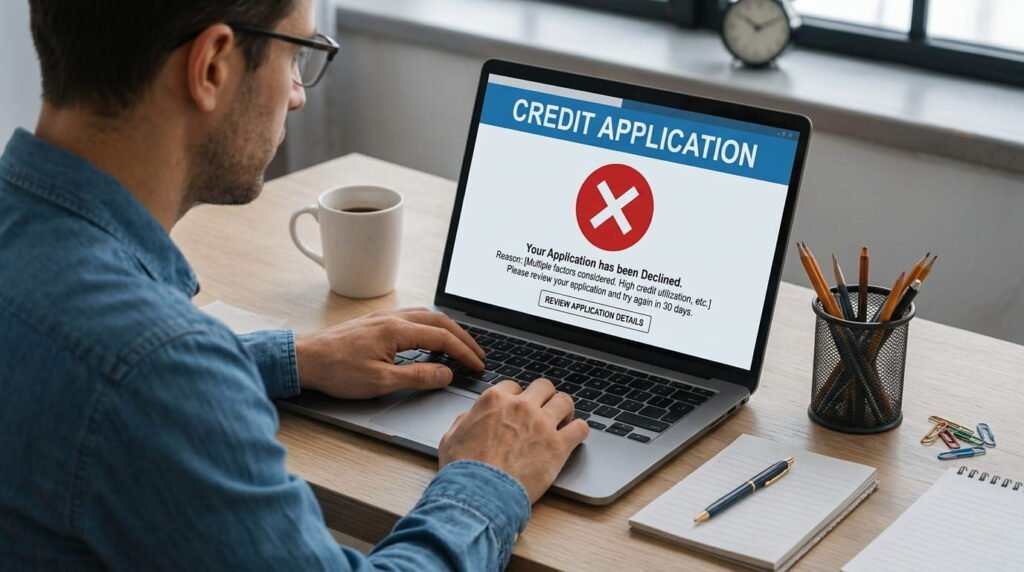
When you’re trying to improve your credit score, opening several new credit accounts at once may work against you.
Credit applications can result in hard inquiries, and multiple applications within a short period can make lenders question why you’re seeking significant amounts of new credit.
Instead, apply only when you genuinely need new credit. Compare your options first and avoid unnecessary applications.
5. Keep Older Credit Accounts Open
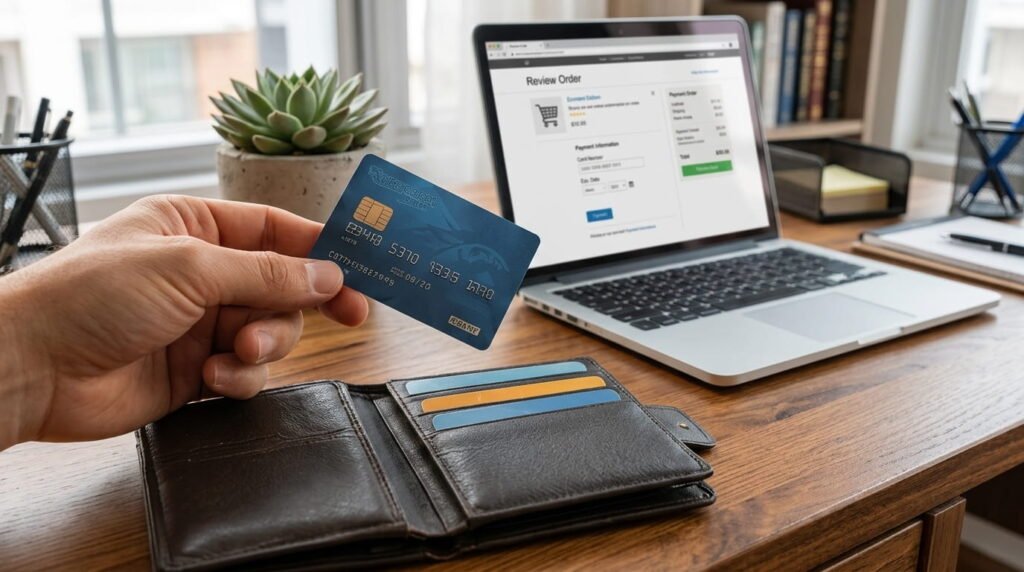
The age of your credit accounts can contribute to the strength of your credit profile. Closing an older credit card may reduce your available credit and potentially affect your credit utilization.
If an older account has no annual fee and you can manage it responsibly, keeping it open may be worth considering.
However, don’t keep an expensive account solely for its age. Consider the fees and your overall financial situation before making a decision.
6. Ask for a Higher Credit Limit Carefully
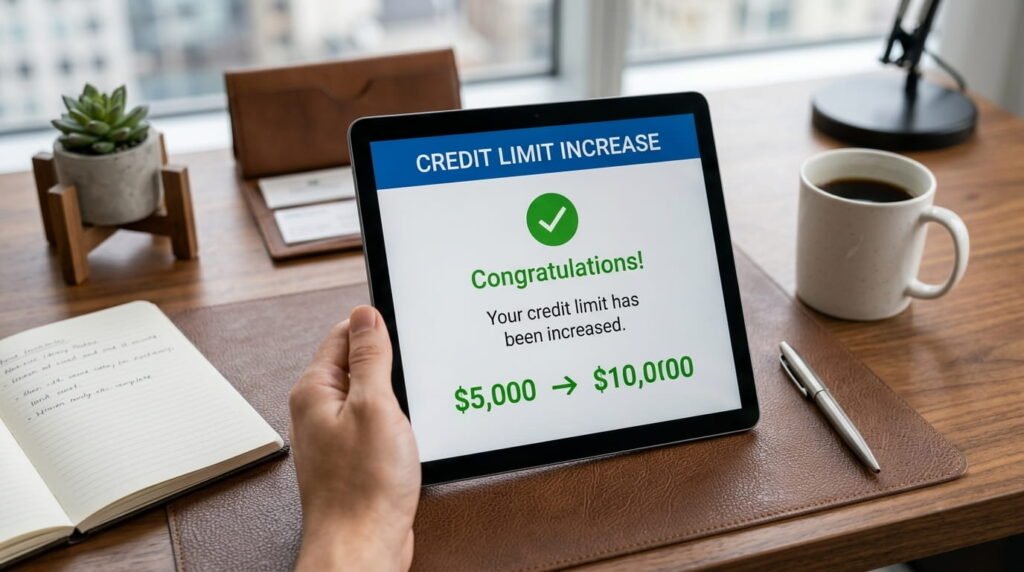
A higher credit limit can reduce your utilization ratio if your spending stays the same.
For instance, if you owe $1,000 on a card with a $2,000 limit, your utilization is 50%. If the limit increases to $4,000 while the balance remains $1,000, utilization drops to 25%.
Before requesting an increase, check whether the card issuer may perform a hard credit inquiry. Never treat a higher limit as permission to spend more than you can repay.
7. Pay More Than the Minimum When Possible
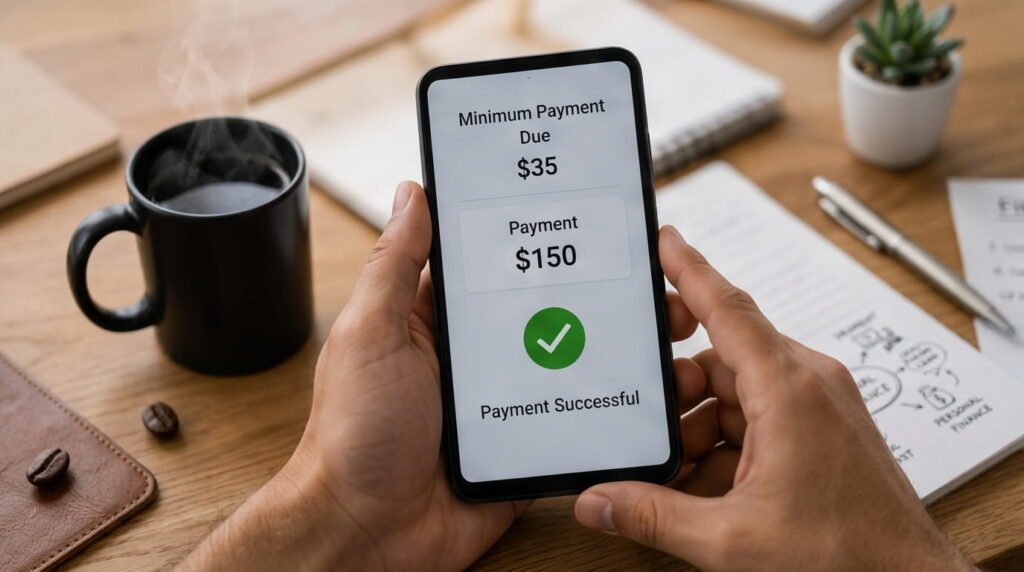
Minimum payments can keep an account current, but paying extra can help reduce your outstanding balance faster.
Focus extra money on credit cards with high balances or high interest rates. Even small additional payments can make a difference over time.
A useful approach is to choose a fixed extra amount from each paycheck and put it toward your debt instead of waiting until the end of the month.
8. Build a Consistent Credit History
There is no legitimate overnight shortcut to excellent credit. Strong credit usually comes from consistently managing accounts over time.
Use credit only when you can comfortably repay it, keep balances under control, and maintain on-time payments.
If you’re new to credit, products designed for building credit may be useful, but always check fees, interest rates, and reporting policies before opening an account.

9. Deal With Past-Due Accounts
If you already have late payments or accounts in collections, ignoring them won’t make the problem disappear.
Start by reviewing what you owe and confirming that the information is accurate. Then contact the creditor or collection agency to discuss available repayment options.
Paying a debt doesn’t necessarily erase accurate negative information immediately, so be cautious about companies promising an instant credit-score transformation.

10. Monitor Your Progress Regularly
Improving your credit score is easier when you know what is changing. Check your credit reports periodically and monitor your balances and payment history.
Don’t panic if your score moves up and down slightly. Credit scores can change as lenders report new balances and payments.
Instead, focus on the habits behind the number: paying on time, reducing debt, using credit responsibly, and avoiding unnecessary applications.

Conclusion
Learning how to improve your credit score quickly is less about finding a magic shortcut and more about targeting the factors that matter most. Start by checking your credit reports, paying every bill on time, reducing credit card balances, and avoiding unnecessary new applications.
Some changes may appear relatively quickly, while building a stronger credit history takes consistent effort. The best strategy is to make responsible credit habits part of your normal financial routine. Read Hub recommends focusing on steady, sustainable progress rather than promises of instant results.
If you have any questions or concerns regarding this topic, feel free to contact us through our Contact Us page or reach out via the WhatsApp button available on Read Hub. We’re always happy to help!
FAQ
How quickly can I improve my credit score?
It depends on what is affecting your credit. Lowering high credit card balances or correcting inaccurate information may help relatively quickly, while rebuilding a history of missed payments can take considerably longer.
What is the fastest way to improve a credit score?
For many people, reducing high credit card balances and making all payments on time are among the most practical steps to prioritize. The exact impact varies by individual credit profile.
Can paying off a credit card increase my credit score?
It can help, particularly when paying off a high balance lowers your credit utilization. However, the exact score change depends on the rest of your credit history.
4. Does checking my own credit report hurt my score?
Generally, checking your own credit report is considered a soft inquiry and does not hurt your credit score. Checking your own report is also an important way to identify inaccurate information.
Can I improve my credit score overnight?
There is no reliable legitimate method that guarantees an overnight improvement. Credit scores depend on information reported by creditors, so meaningful improvement usually requires accurate reporting and responsible credit management.