

Learning from home sounds convenient, but staying focused when your bed, phone, and countless distractions are nearby can be surprisingly difficult. If you often sit down to study but lose motivation after a few minutes, you are not alone. The good news is that you do not need endless discipline to make progress. A few practical changes to your routine can make studying feel much easier. In this Read Hub guide, you will learn how to stay motivated while studying from home, build better study habits, manage distractions, and keep yourself moving toward your academic goals.

1. Create a Dedicated Study Space
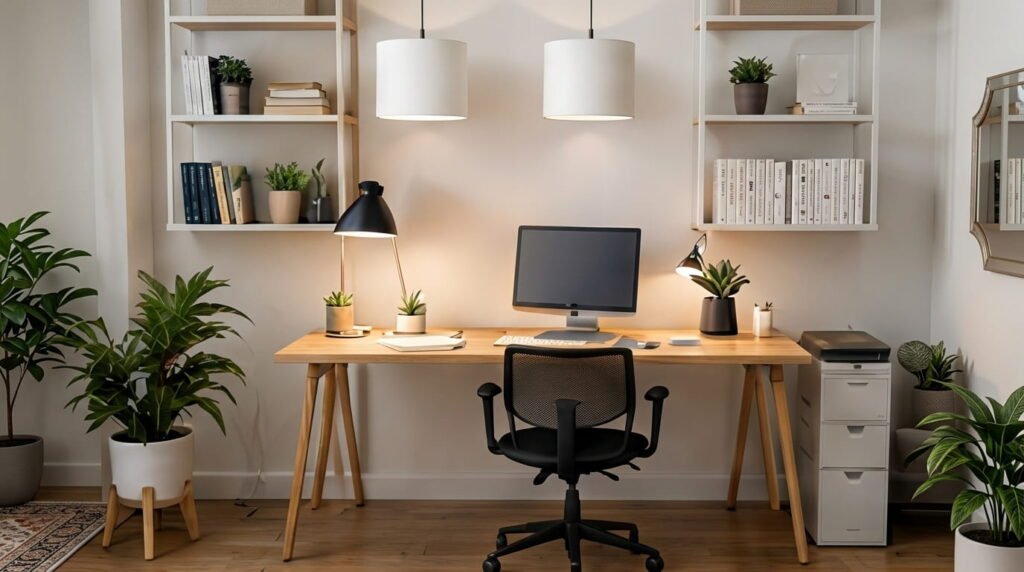
Your surroundings can strongly influence your concentration. Try to study in one specific place instead of moving between your bed, sofa, and dining table.
Keep your study area simple and organized. Have your books, notebook, laptop, and other essentials nearby so you do not constantly get up or search for things.
Even if you only have a small corner available, using the same space regularly can help your brain associate it with studying.
2. Set Small, Clear Goals
“Study all day” is not a useful goal. It sounds exhausting before you even begin.
Instead, break your work into specific tasks. For example, aim to read one chapter, complete 20 practice questions, or revise a particular topic.
Small goals create a sense of progress. Once you finish one task, you will usually find it easier to start the next.

3. Follow a Realistic Study Schedule
A flexible study routine can make it much easier to stay motivated while studying from home.
Choose study times that match your energy levels. If you concentrate better in the morning, handle difficult subjects earlier. Leave lighter tasks for periods when your attention naturally drops.
You do not need to study for ten hours. Consistent, focused sessions are often more useful than spending an entire day at your desk without concentration.

4. Remove Distractions
Your phone can turn a five-minute break into an hour of scrolling. Social media, notifications, television, and unnecessary browser tabs can quickly destroy your focus.
Put your phone on silent or keep it away from your desk. Turn off unnecessary notifications and close websites that are unrelated to your studies.
If you need your phone for research, use it only for that specific purpose.

5. Use Active Study Techniques
Simply reading the same pages repeatedly does not always mean you are learning effectively.
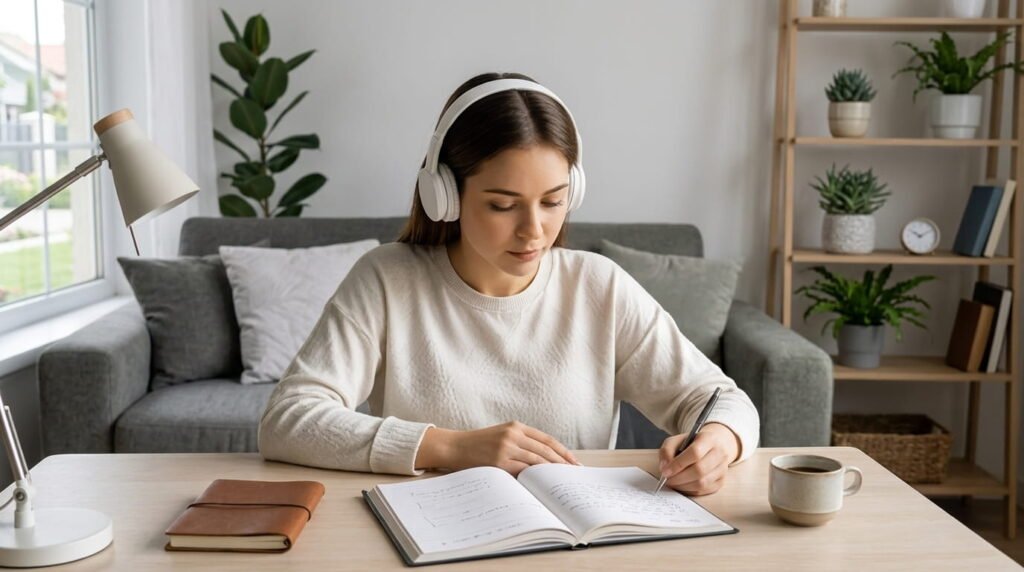
Try active techniques such as making short notes, explaining a concept in your own words, using flashcards, or testing yourself without looking at the answer.
Practice questions are especially useful because they show you what you actually remember rather than what merely looks familiar.
6. Take Regular Breaks
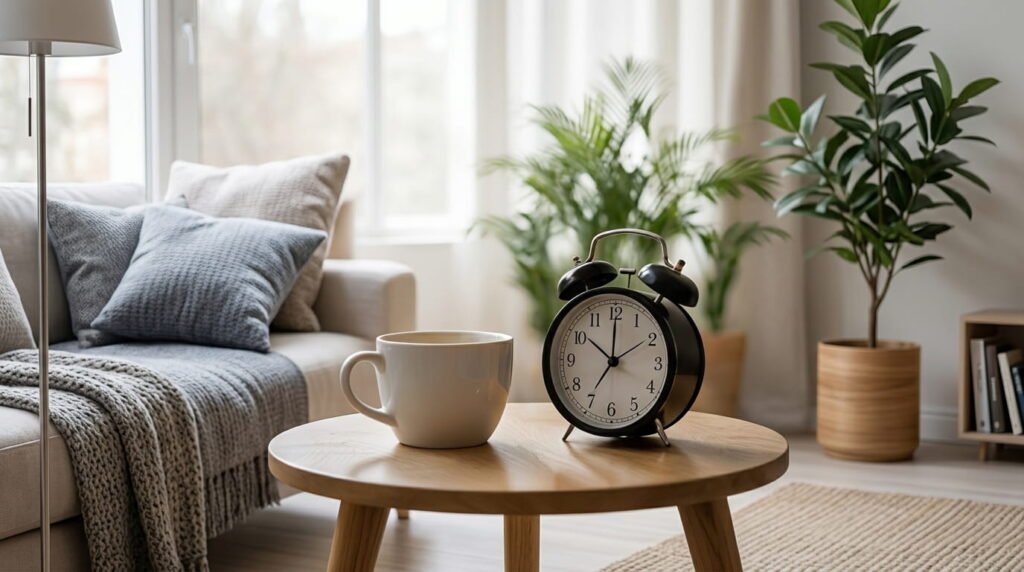
Studying continuously for hours can leave you mentally exhausted. Short breaks can help you return to your work with better concentration.
For example, study for around 25–50 minutes and then take a short break. Stand up, drink some water, stretch, or walk around.
The important thing is to make your break intentional. Avoid activities that are difficult to stop, such as endless social media scrolling.
7. Track Your Progress
Motivation becomes easier when you can see that your effort is producing results.
Keep a simple checklist of chapters, assignments, or topics you have completed. Watching that list grow can give you a satisfying sense of achievement.
You can also write down what you studied each day. After a week, you may be surprised by how much you accomplished.

8. Reward Yourself
Studying does not have to feel like punishment. Give yourself something enjoyable after completing an important task.
You might watch an episode of a show, have your favorite snack, play a game, or spend some time with friends.
The reward should come after the work, not replace it. This helps create a positive connection between completing your studies and doing something you enjoy.

9. Stay Connected With Others
Studying alone can sometimes feel isolating. If you are struggling with a difficult subject, talk to a classmate, teacher, tutor, or study partner.
You can also create virtual study sessions where everyone works quietly at the same time. Knowing that someone else is studying can make it easier to stay accountable.
Asking for help is not a weakness. It is part of effective learning.

10. Protect Your Energy and Sleep
Motivation is much harder to maintain when you are constantly tired.
Try to maintain a consistent sleep schedule, drink enough water, eat regular meals, and include some movement during the day.
Do not sacrifice sleep simply to study longer. A rested mind generally has a better chance of concentrating, remembering information, and solving problems effectively.

Conclusion
Learning how to stay motivated while studying from home is less about forcing yourself to work constantly and more about creating an environment and routine that make focused study easier. Set realistic goals, remove distractions, take useful breaks, and keep track of your progress.
Most importantly, do not expect every study day to be perfect. Some days will be productive, and others will be slower. What matters is returning to your routine and continuing forward. With consistent habits, studying at home can become much more manageable.
At Read Hub, we believe useful knowledge should be practical and easy to apply. Start with one small change today, and build from there.
If you have any questions or concerns regarding this topic, feel free to contact us through our Contact Us page or reach out via the WhatsApp button available on Read Hub. We’re always happy to help!
FAQ
How can I stay motivated while studying from home?
Create a realistic routine, set small goals, remove distractions, and track your progress. Breaking large tasks into smaller steps can make studying feel less overwhelming.
Why do I lose motivation when studying at home?
Home contains many distractions and usually lacks the structure of a classroom. Creating a dedicated study area and following consistent study times can help.
How long should I study before taking a break?
Many students find that focused sessions of about 25–50 minutes followed by a short break work well. Experiment to find the schedule that suits your concentration level.
What should I do if I cannot concentrate while studying?
Start with a very small task, remove your phone and other distractions, and study in a quiet area. Active techniques such as practice questions can also improve engagement.
Is studying at home as effective as studying in a classroom?
Yes, studying at home can be highly effective when you have a suitable environment, structured routine, reliable learning resources, and good study habits.