

Pets become part of the family, which is why protecting their health should always be a priority. While dogs and cats can experience a wide range of illnesses, many of the most common pet health problems are preventable with proper care, regular veterinary visits, and healthy daily habits. Understanding early warning signs allows you to act before minor issues become serious medical conditions.
In this guide from Read Hub, you’ll discover the most common health concerns affecting pets and practical ways to reduce the risk so your furry companion can enjoy a longer, healthier life.

Why Preventive Pet Care Matters
Preventive care is much easier—and often far less expensive—than treating advanced illnesses. A combination of proper nutrition, exercise, vaccinations, parasite prevention, and regular veterinary examinations can dramatically reduce your pet’s risk of developing serious health conditions.
Even healthy-looking pets should receive routine wellness exams because many diseases develop silently before noticeable symptoms appear.
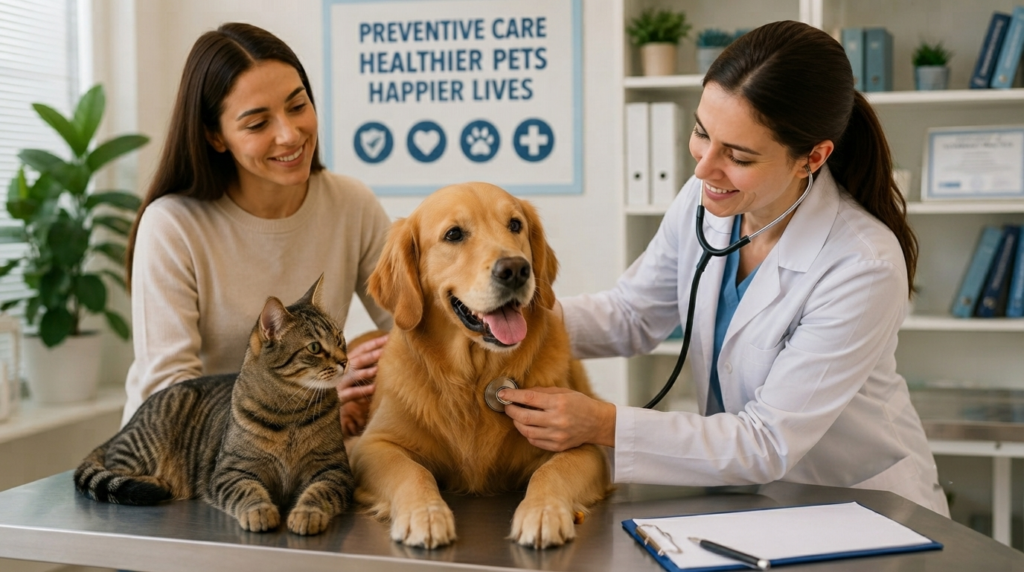
Obesity: The Most Preventable Health Problem in Dogs and Cats
Pet obesity has become increasingly common due to overfeeding, frequent treats, and a lack of regular physical activity. Excess body weight places additional stress on the joints, heart, lungs, and other vital organs, increasing the risk of diabetes, arthritis, and reduced life expectancy. Maintaining a healthy weight is one of the most effective ways to improve your pet’s overall health and quality of life.
Prevention Tips
- Feed measured portions instead of free-feeding.
- Choose high-quality, balanced pet food.
- Limit treats to occasional rewards.
- Encourage daily walks and active play.
- Monitor your pet’s weight every month.

Dental Disease: Why Oral Health Matters for Your Pet
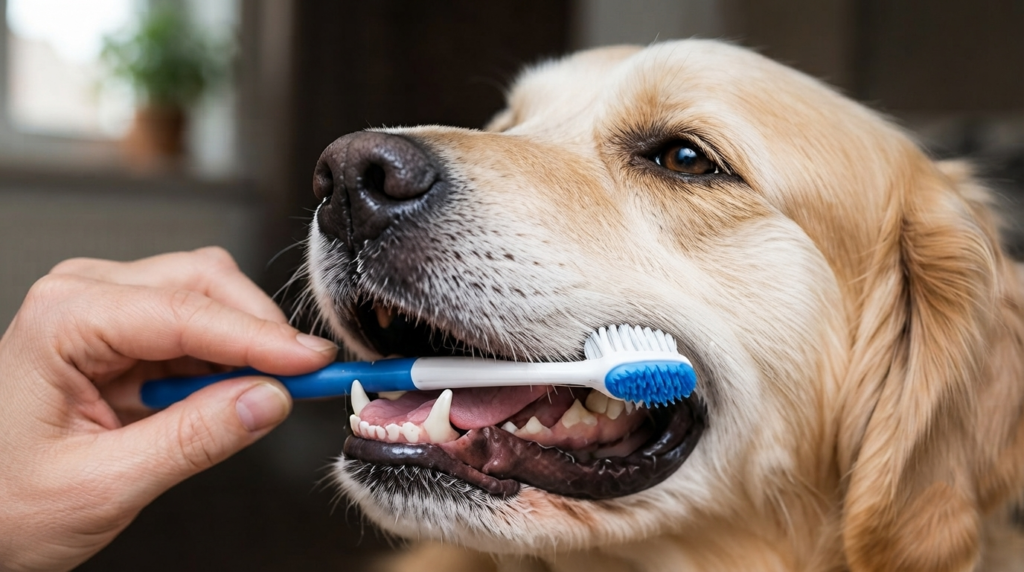
Poor oral hygiene is one of the most overlooked pet health issues. Plaque and tartar buildup can lead to gum disease, painful infections, bad breath, tooth loss, and even damage to the heart and kidneys if harmful bacteria enter the bloodstream. Regular dental care helps your pet stay comfortable and healthy throughout its life.
Prevention Tips
- Brush your pet’s teeth several times each week.
- Offer veterinarian-approved dental chews.
- Schedule professional dental cleanings when recommended.
- Watch for swollen gums, loose teeth, or difficulty eating.
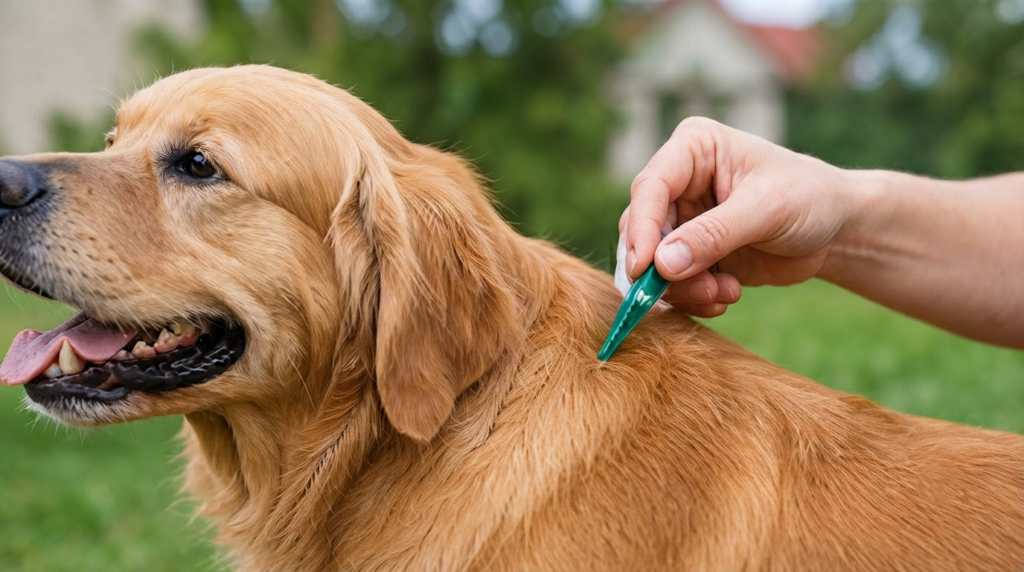
Fleas, Ticks, and Parasites: Protecting Your Pet Year-Round
External parasites like fleas and ticks, along with internal parasites such as worms, can seriously affect your pet’s health. They cause itching, skin irritation, digestive problems, anemia, and may transmit dangerous diseases. Consistent parasite prevention is essential regardless of the season.
Prevention Tips
- Use year-round flea and tick prevention.
- Deworm pets according to your veterinarian’s schedule.
- Keep bedding and living spaces clean.
- Inspect your pet after outdoor activities.
Ear Infections: Common Causes and Prevention Tips
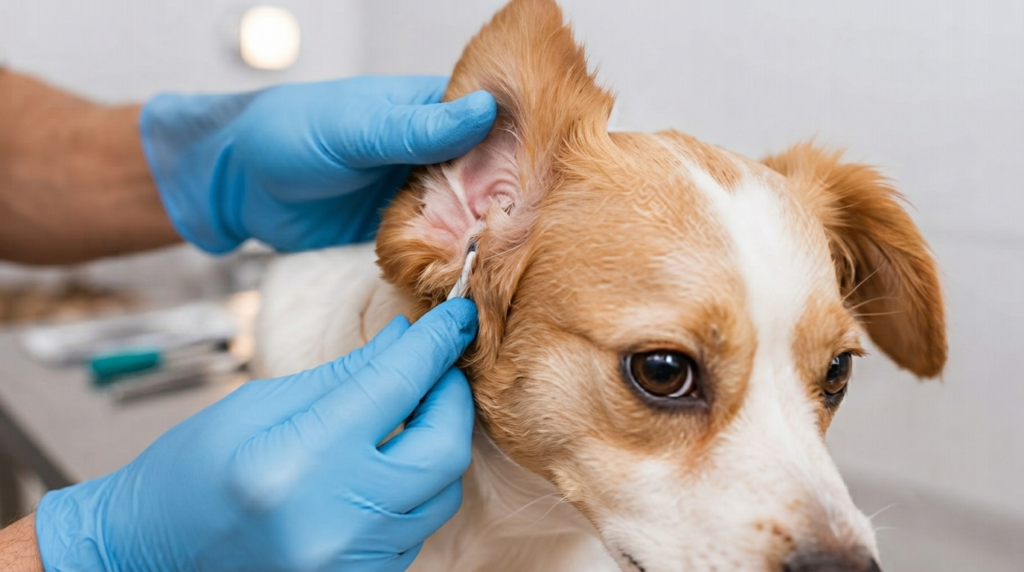
Ear infections are especially common in dogs with floppy ears and pets that swim frequently. Moisture, trapped debris, allergies, or excess wax can create the perfect environment for bacteria and yeast to grow. Early treatment prevents discomfort and more serious complications.
Prevention Tips
- Keep ears dry after bathing or swimming.
- Clean ears only with veterinarian-approved solutions.
- Watch for scratching, redness, odor, or head shaking.
- Never insert cotton swabs deep into the ear canal.
Skin Allergies: Keeping Your Pet’s Skin Healthy
Skin allergies may develop due to food sensitivities, environmental allergens, flea bites, or seasonal changes. Pets suffering from allergies often experience itching, redness, hair loss, and recurring skin infections. Identifying the underlying cause is key to long-term relief.
Prevention Tips
- Maintain flea prevention year-round.
- Feed a nutritious diet.
- Identify allergy triggers with your veterinarian.
- Groom regularly to remove dirt and loose fur.

Digestive Problems: Supporting a Healthy Digestive System
Vomiting, diarrhea, constipation, and stomach upset are among the most common reasons pet owners visit the veterinarian. These problems may result from sudden diet changes, spoiled food, infections, or eating inappropriate objects. Prompt attention helps prevent dehydration and more serious illness.
Prevention Tips
- Avoid feeding table scraps.
- Introduce new foods gradually.
- Keep harmful foods out of reach.
- Ensure constant access to fresh water.

Urinary Tract Issues: Recognizing the Early Warning Signs
Urinary tract infections and bladder stones can affect both dogs and cats, particularly older pets. Left untreated, these conditions may become painful and lead to more serious urinary complications. Monitoring your pet’s bathroom habits can help detect problems early.
Prevention Tips
- Encourage adequate water intake.
- Provide frequent bathroom opportunities.
- Keep litter boxes clean.
- Seek veterinary care if your pet strains to urinate or has blood in the urine.

Arthritis and Joint Problems: Helping Pets Stay Active
As pets grow older, arthritis and joint problems become more common and may gradually reduce their mobility. Excess weight, previous injuries, and certain breeds can increase the risk. Early management helps pets remain active, comfortable, and independent for longer.
Prevention Tips
- Maintain a healthy body weight.
- Provide regular low-impact exercise.
- Use orthopedic bedding if needed.
- Discuss joint supplements with your veterinarian.

Respiratory Infections: Reducing the Risk of Contagious Illnesses
Respiratory infections, including kennel cough and feline upper respiratory infections, spread quickly in places where animals interact. Vaccination, good hygiene, and minimizing exposure to infected animals are important steps in protecting your pet’s respiratory health.
Prevention Tips
- Keep vaccinations up to date.
- Avoid contact with sick animals.
- Maintain clean, well-ventilated living spaces.
- Visit the veterinarian if coughing or breathing difficulty develops.

Vaccination-Preventable Diseases: The Importance of Routine Immunization
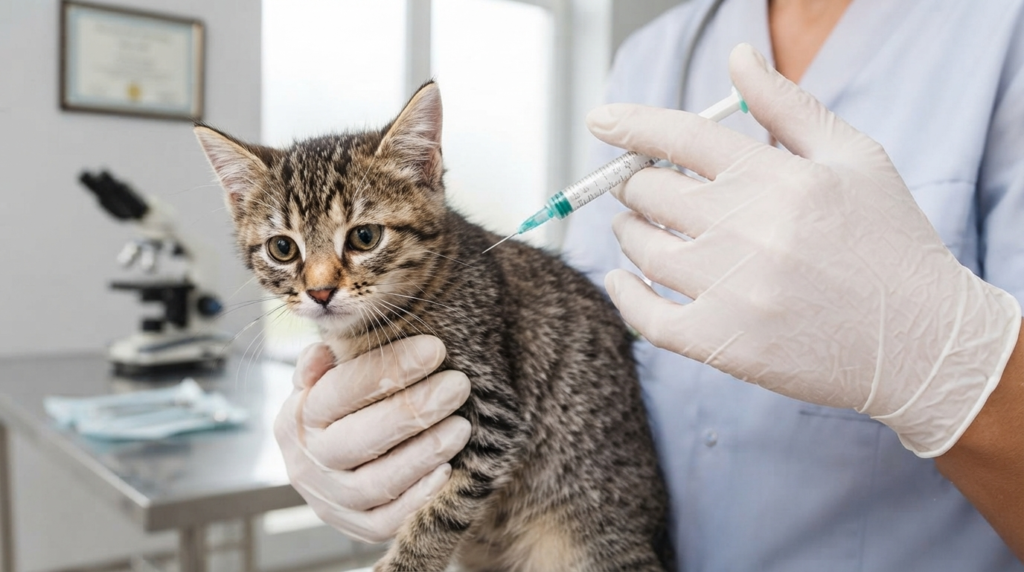
Serious illnesses such as parvovirus, distemper, rabies, and feline panleukopenia can often be prevented through routine vaccinations. Staying on schedule with recommended immunizations provides long-lasting protection and reduces the spread of infectious diseases within the pet community.
Prevention Tips
- Follow your veterinarian’s recommended vaccination schedule.
- Keep vaccination records current.
- Schedule annual wellness visits.
- Ask about lifestyle-specific vaccines based on your pet’s environment.
Final Prevention Checklist
Healthy pets benefit from simple daily habits:
- Feed a balanced diet.
- Provide clean drinking water.
- Exercise every day.
- Brush teeth regularly.
- Maintain parasite prevention.
- Stay current with vaccinations.
- Groom routinely.
- Schedule annual veterinary checkups.
- Monitor behavior changes.
- Seek prompt medical attention when symptoms appear.

Conclusion
Understanding common pet health problems allows pet owners to take action before small concerns become major medical issues. Most illnesses can be reduced—or even prevented—through consistent preventive care, proper nutrition, exercise, and routine veterinary visits. Investing a little time in your pet’s daily health routine can lead to many happy, active years together.
At Read Hub, we believe informed pet owners make healthier pets. Small preventive steps today can make a significant difference in your companion’s future well-being.
If you have any questions or concerns regarding this topic, feel free to contact us through our Contact Us page or reach out via the WhatsApp button available on Read Hub. We’re always happy to help!
FAQ
What are the most common pet health problems?
The most common pet health problems include obesity, dental disease, parasites, skin allergies, ear infections, digestive disorders, urinary tract issues, arthritis, respiratory infections, and diseases that can be prevented through routine vaccination. Early detection and preventive care significantly reduce health risks.
How often should pets visit a veterinarian?
Most healthy adult pets should receive a wellness examination at least once every year. Puppies, kittens, senior pets, or animals with chronic medical conditions may require more frequent visits so health concerns can be identified and treated before they become serious.
How can I tell if my pet is sick?
Changes in appetite, unusual tiredness, vomiting, diarrhea, coughing, excessive scratching, difficulty walking, weight loss, or changes in drinking and urination habits may indicate illness. If these symptoms continue or worsen, contact your veterinarian as soon as possible.
Are vaccinations really necessary for indoor pets?
Yes. Even indoor pets can be exposed to infectious diseases through people, other animals, or accidental escapes outdoors. Vaccinations provide essential protection and remain one of the most effective ways to prevent life-threatening illnesses.
What’s the best way to keep my pet healthy long-term?
Long-term pet health depends on balanced nutrition, regular exercise, preventive parasite control, vaccinations, dental care, grooming, fresh water, mental stimulation, and routine veterinary checkups. Consistency with these habits gives pets the best chance of living a long, healthy life.