

Learning how to build better study habits in 30 days is less about studying for hours and more about creating a routine you can actually maintain. If you often procrastinate, lose focus, study only before exams, or struggle to remember what you read, a structured approach can make a noticeable difference. The goal isn’t to become a perfect student overnight. Instead, you want to develop small habits that make studying easier, more organized, and less stressful. Over the next 30 days, you can gradually improve your schedule, concentration, study environment, note-taking, revision, and overall approach to learning.

1. Set Clear Study Goals
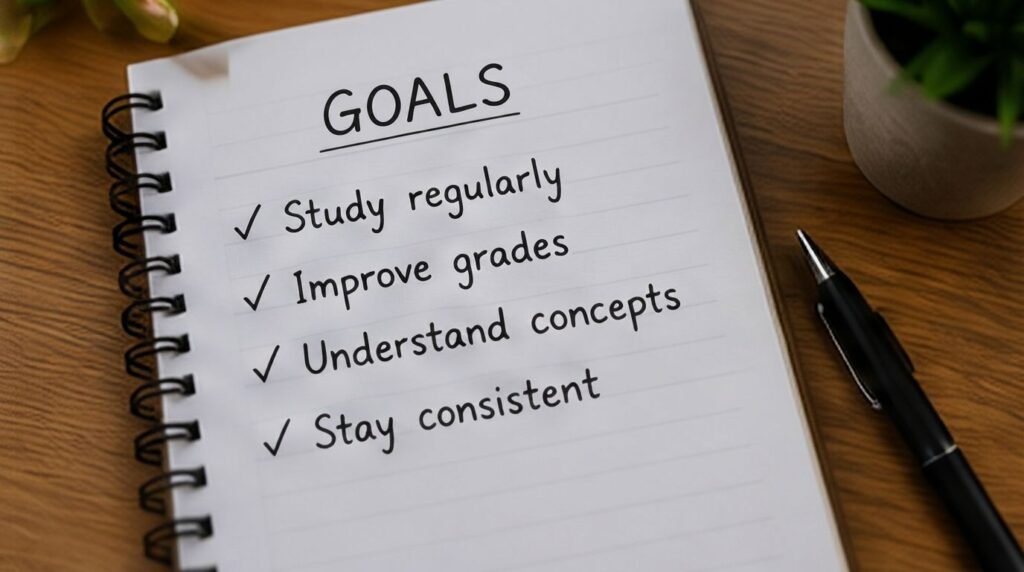
Before changing your study routine, decide exactly what you want to improve. A vague goal such as “I need to study more” is difficult to measure, while “I will complete two chapters of Computer Science this week” gives you a clear target. At the beginning of your 30-day plan, write down your subjects, upcoming deadlines, difficult topics, and academic priorities. Then divide larger goals into smaller weekly and daily tasks. This approach gives your study sessions a purpose and helps you see progress instead of feeling overwhelmed by everything you still need to do.
2. Create a Realistic Study Schedule
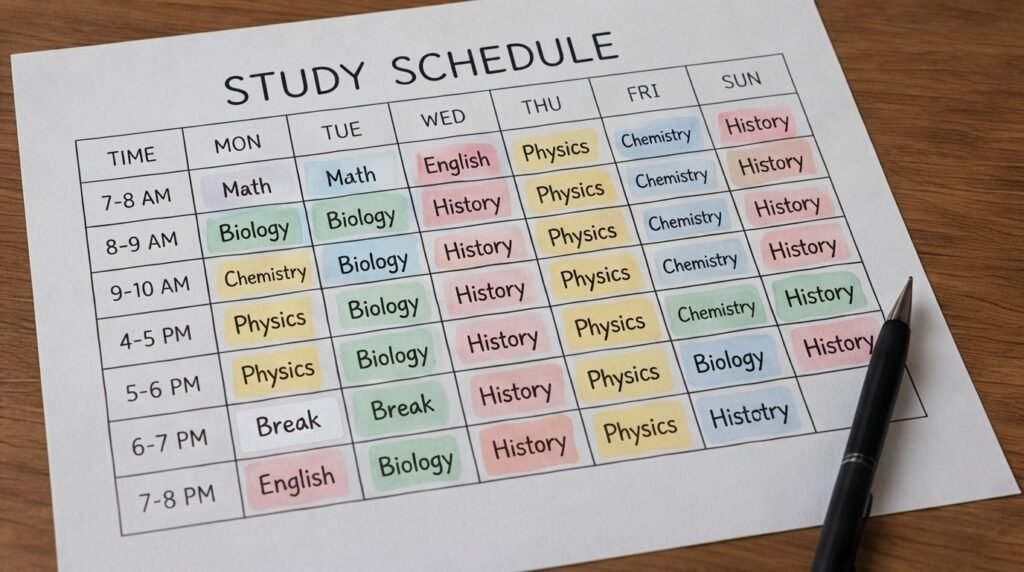
A good study schedule should fit your actual life rather than look impressive on paper. Start by choosing a consistent time when you normally have enough energy to concentrate, then assign specific subjects or tasks to each session. You don’t need to study continuously for several hours; focused sessions with short breaks can be much easier to maintain. For example, you might study for 40–50 minutes and then take a 5–10 minute break. Keep your most difficult subjects for the time when your concentration is strongest, and leave lighter tasks such as reviewing notes for periods when your energy is lower.
3. Improve Your Study Environment
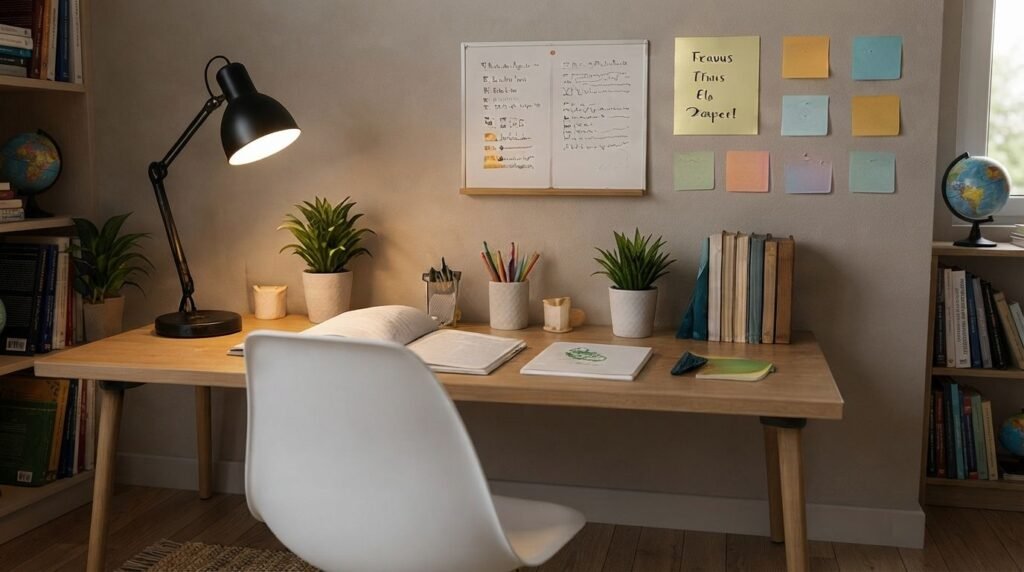
Your surroundings can either support your concentration or constantly pull your attention away. Choose a clean, comfortable study space where you have the books, notebooks, charger, and other materials you need before starting. Keep unnecessary tabs and notifications closed, and put your phone somewhere that makes it less tempting to check every few minutes. You don’t need an expensive desk or a perfect room; the important thing is having a consistent place that your brain begins to associate with focused learning. Even small changes to your environment can make it easier to start studying when you don’t feel motivated.
4. Use Active Study Techniques
Simply reading the same chapter repeatedly can create the feeling that you understand something without proving that you can actually remember it. Instead, use active learning methods such as explaining a concept in your own words, creating questions, solving practice problems, making flashcards, or teaching the topic to someone else. After studying a section, close your book and try to recall the main ideas without looking. This process, often called active recall, forces your brain to retrieve information and can make study sessions more meaningful. Combine it with spaced repetition by reviewing important material at increasing intervals rather than trying to memorize everything in one sitting.

5. Build Focus and Beat Procrastination
Procrastination often becomes easier to manage when you stop expecting yourself to feel motivated before starting. Try using the “just start” approach: tell yourself that you will study for only five minutes, open the required material, and begin with the easiest task. Once you’re working, continuing usually feels less difficult. You can also break large assignments into smaller actions, such as reading the instructions, making an outline, completing one question, and checking the answer. During your study block, avoid multitasking because switching between messages, videos, social media, and schoolwork can quickly break your concentration.

6. Review and Test Yourself Regularly
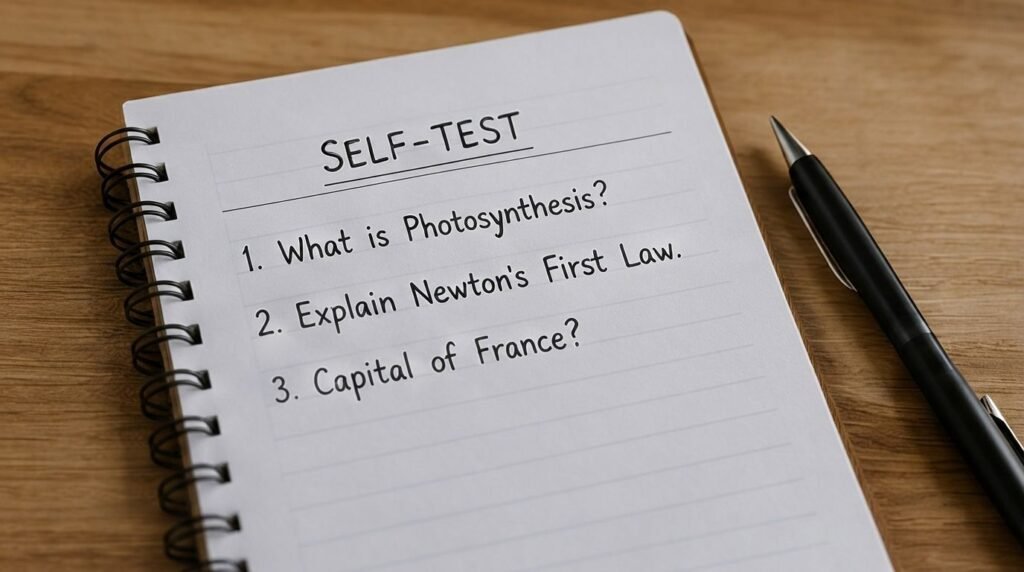
Don’t wait until the night before an exam to discover what you don’t remember. Build short review sessions into your weekly routine and regularly test yourself without looking at your notes. Practice questions, past papers, self-made quizzes, flashcards, and explaining concepts from memory can all reveal gaps in your understanding. When you make a mistake, don’t simply memorize the correct answer; spend a moment figuring out why you got it wrong. Keeping a small list of difficult topics can also help you decide what deserves extra attention during your next study session.
7. Protect Your Energy and Sleep
Better study habits aren’t only about books and schedules. Your ability to concentrate depends heavily on having enough rest and taking reasonable care of yourself. Try to maintain a consistent sleep routine, take short breaks during longer study sessions, stay hydrated, and include some movement throughout the day. Avoid turning every free hour into study time because constant studying can make it harder to concentrate effectively. If you’re tired, a short break or a proper night’s sleep may help more than forcing yourself through another unfocused hour. Sustainable studying requires enough energy to learn, remember, and think clearly.

8. Track Your Progress and Stay Consistent
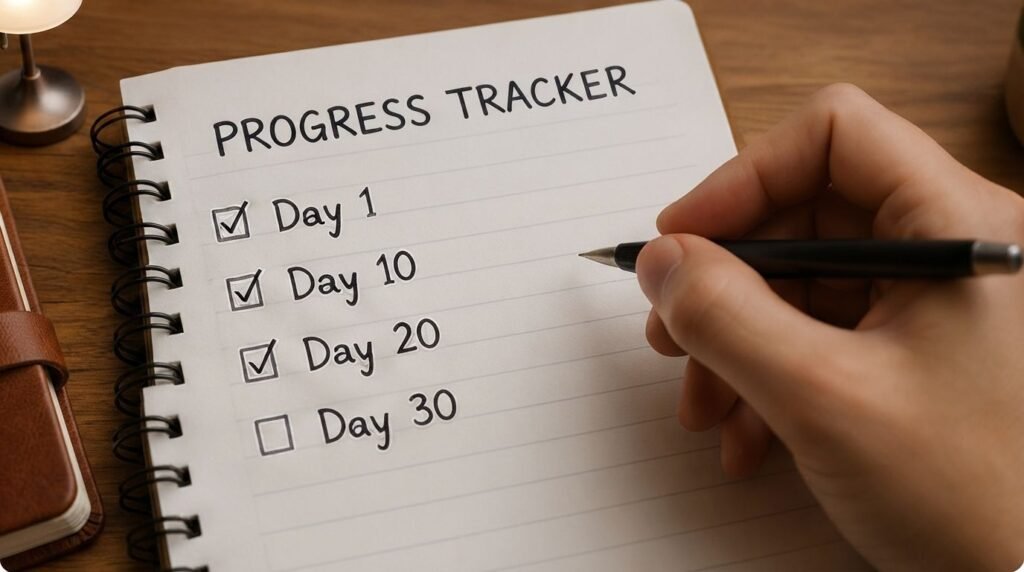
The final part of your 30-day plan is learning how to maintain the habits you’ve developed. At the end of each day, take two minutes to record what you studied, what went well, and what needs improvement. At the end of each week, look for patterns: Are you studying at the right time? Which subjects are taking longer than expected? What distractions keep appearing? Don’t treat an unproductive day as failure. Instead, identify what went wrong and adjust your routine for the next day. Read Hub encourages a progress-focused approach because consistent improvement matters far more than following a perfect schedule for a few days.
Conclusion
Learning to build better study habits in 30 days doesn’t require extreme schedules or endless hours with your textbooks. Start with clear goals, create a realistic routine, improve your study environment, and use active learning techniques that make you think instead of simply rereading. Add regular revision, protect your sleep and energy, and track your progress along the way. Most importantly, remember that missing one study session doesn’t erase your progress. The real goal is to develop habits you can continue long after the 30 days are over. With consistency and a practical plan, studying can become a more manageable and productive part of your daily routine. For more practical learning and productivity advice, Read Hub is here to help.
If you have any questions or concerns regarding this topic, feel free to contact us through our Contact Us page or reach out via the WhatsApp button available on Read Hub. We’re always happy to help!
FAQ
How long does it take to build better study habits?
It depends on the person and the habit, but 30 days can provide a useful starting period for creating a more consistent study routine. The key is repeating manageable behaviors rather than trying to change everything at once.
How many hours should I study each day?
There is no single number that works for everyone. Your study time should depend on your subjects, workload, schedule, concentration, and upcoming deadlines. Focused study sessions are generally more useful than simply counting hours.
What is the best study technique?
There isn’t one technique that works for every subject, but active recall and spaced repetition are widely useful approaches. Practice questions, explaining concepts, flashcards, and regular review can also strengthen learning.
How can I stop procrastinating while studying?
Make the first step extremely small. Instead of thinking about completing an entire chapter, commit to opening the material and working for five minutes. Removing distractions and breaking large tasks into smaller steps can also make starting easier.
Can I build good study habits before an exam?
Yes. Even if your exam is approaching, you can improve your routine by creating a realistic schedule, prioritizing important topics, using active recall, and reviewing material regularly. Avoid relying entirely on last-minute cramming.