
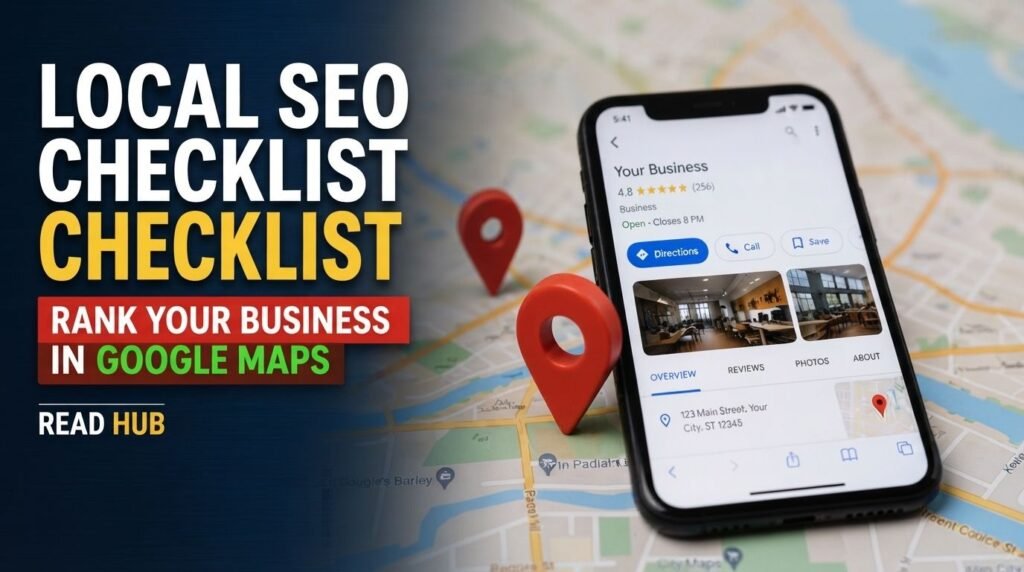
A strong Local SEO Checklist can make a big difference when customers search for businesses near them on Google. Whether you run a restaurant, service company, retail shop, or local professional business, appearing prominently in Google Maps can help you attract customers who are already looking for what you offer.
However, simply creating a Google Business Profile isn’t enough. Your profile, website, reviews, business information, and local relevance all need to work together. The good news is that most of the essential steps are straightforward once you know what to check.
1. Optimize Your Google Business Profile
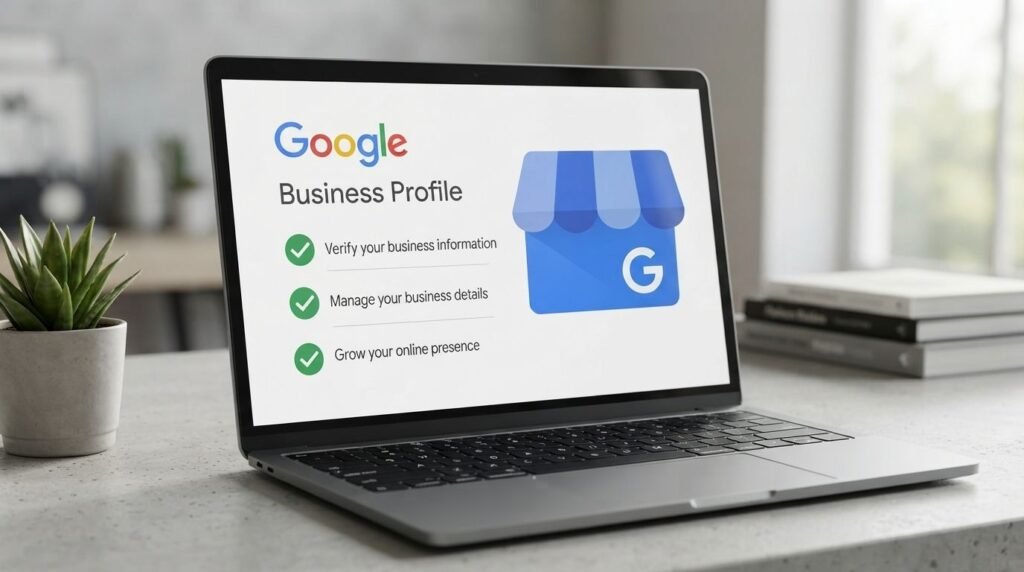
Your Google Business Profile is one of the most important parts of local search visibility, so make sure your business name, address, phone number, website, hours, services, and other details are accurate. Complete every relevant section instead of leaving important information blank, and keep the profile updated whenever something changes. A complete and accurate profile gives potential customers useful information and helps Google better understand your business.
2. Keep Your Business Information Consistent
Your business details should be consistent across your website, Google Business Profile, directories, social profiles, and other online listings. Pay particular attention to your business name, address, and phone number, commonly referred to as NAP information. Even small inconsistencies can create confusion, especially when different websites show outdated addresses, phone numbers, or business names.
3. Choose the Right Categories and Services
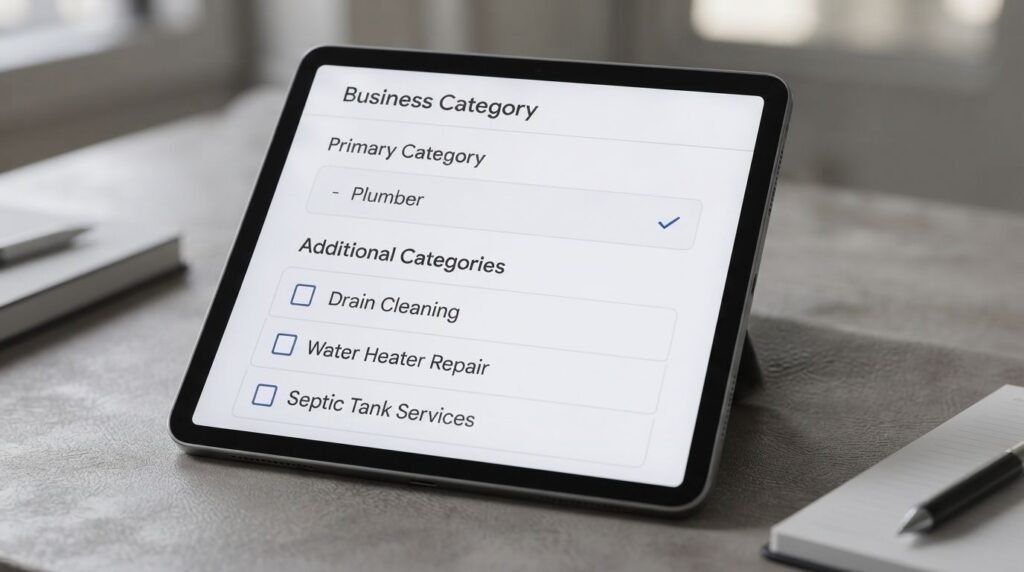
Selecting the most relevant primary business category is important because it helps Google understand what your business does. Choose a primary category that accurately represents your main service, then add relevant secondary categories where appropriate. You should also complete your services or products section with clear descriptions so customers can quickly understand what you offer without having to search elsewhere.
4. Add Local Keywords Naturally
Local keywords help connect your business with searches that include a location or service area. Instead of repeatedly adding city names to your content, use them naturally in important areas such as page titles, headings, service pages, descriptions, and supporting content. For example, a plumbing company might create a dedicated page around “emergency plumber in Lahore” if that service and location genuinely match the business.

5. Build Genuine Customer Reviews
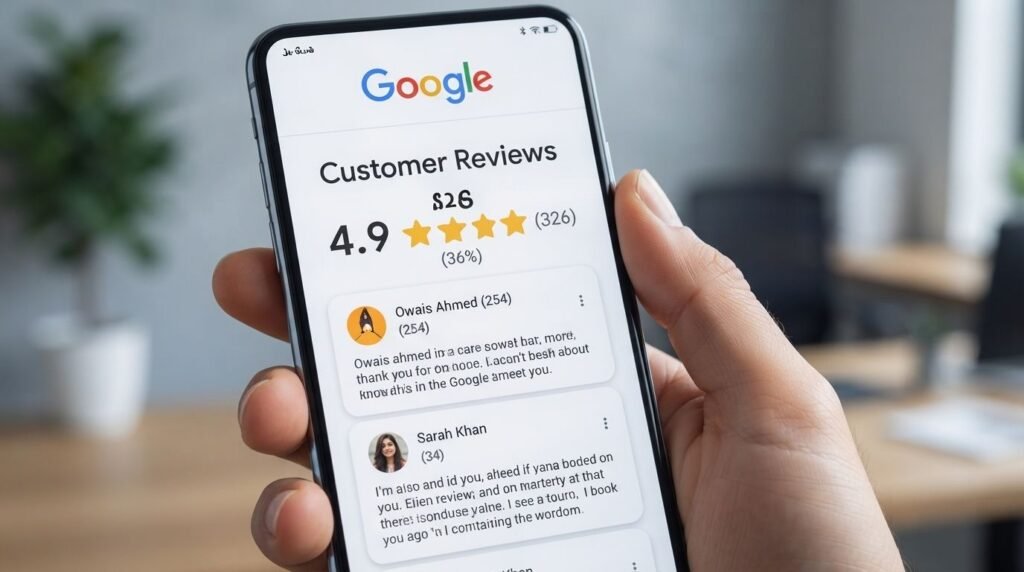
Reviews can strongly influence whether someone chooses your business after discovering it in local search. Encourage satisfied customers to leave honest feedback, but avoid buying reviews or creating fake ones. Respond to reviews professionally, including negative feedback, and use genuine customer comments to understand where your business can improve. A steady flow of authentic reviews can also make your profile look more active and trustworthy to potential customers.
6. Add High-Quality Photos and Updates
Regularly adding useful, authentic photos can make your Google Business Profile more appealing to potential customers. Consider showing your storefront, team, products, completed projects, interior, or other visuals that genuinely represent your business. Keep images clear and relevant, and update your profile when there are meaningful changes, new services, seasonal offerings, or important announcements.

7. Improve Your Local Website SEO
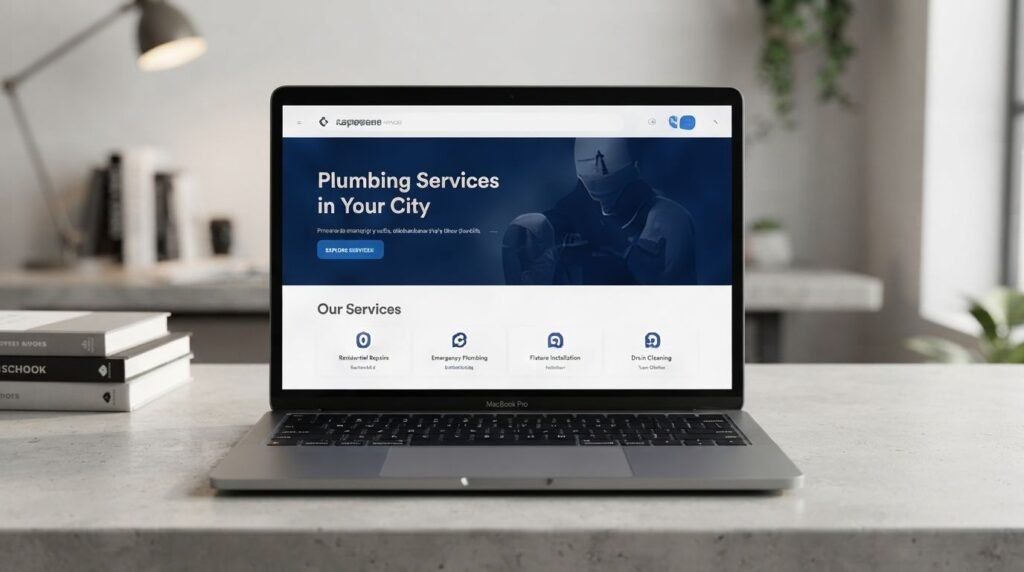
Your website should support your Google Maps presence rather than work separately from it. Create useful location and service pages, include accurate contact information, make your website mobile-friendly, improve page speed, and clearly explain what your business offers. Adding relevant local business information and structured data where appropriate can also help search engines understand your organization and location.
8. Build Relevant Local Citations
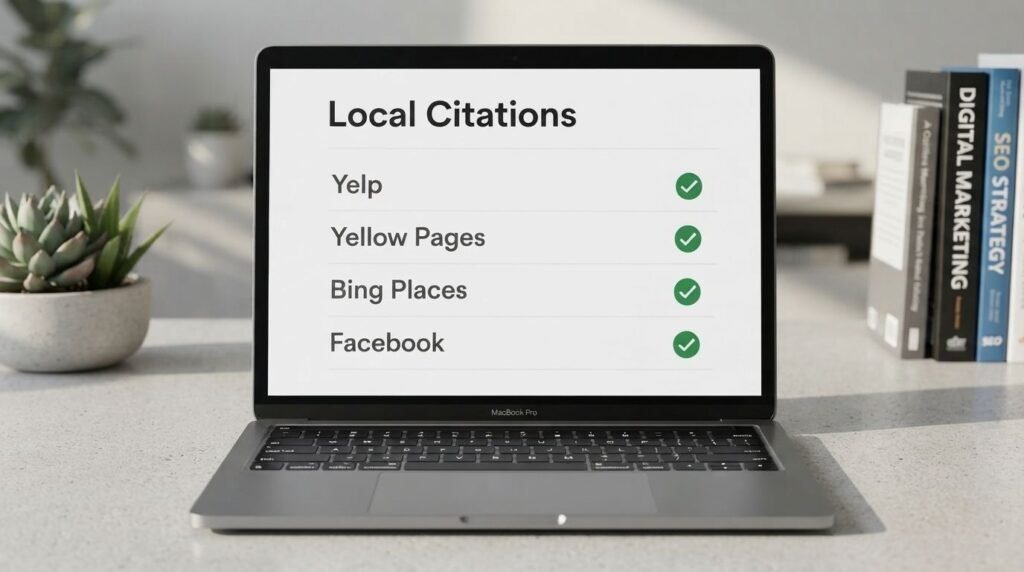
Local citations are online mentions of your business information on directories, industry websites, local platforms, and other relevant sources. Focus on quality and accuracy instead of submitting your business to hundreds of unrelated directories. Look for reputable platforms that are relevant to your industry or location, and make sure the information matches your official business details.
9. Earn Local Backlinks
Backlinks from relevant and trustworthy local websites can strengthen your website’s authority and local relevance. You might earn links through local news coverage, community organizations, industry associations, partnerships, events, sponsorships, or genuinely useful resources. The goal should be to earn relevant links naturally rather than relying on low-quality link schemes that can create more problems than benefits.

10. Track Your Local SEO Performance
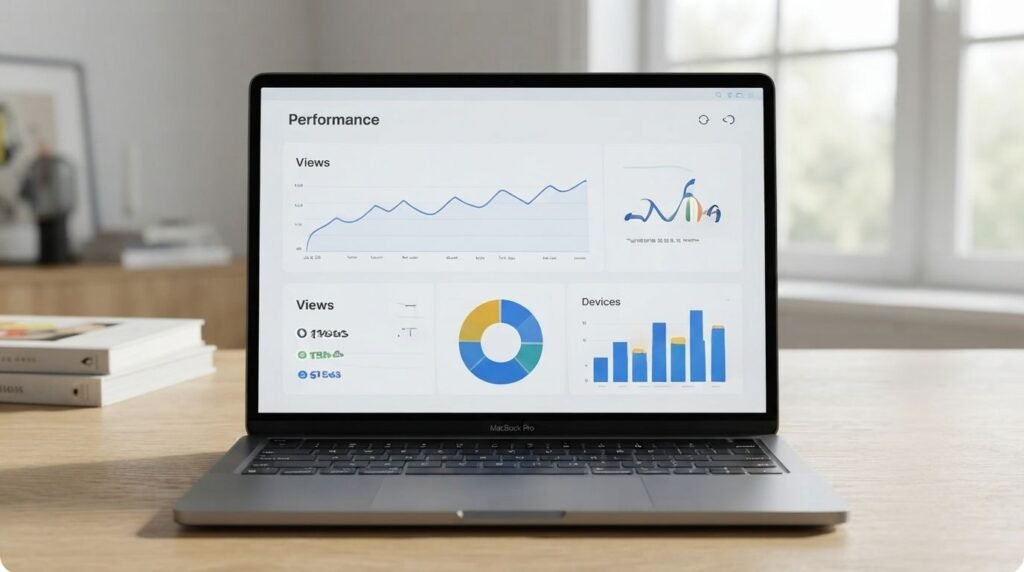
SEO works best when you measure what is actually happening. Monitor your Google Business Profile performance, website traffic, search queries, calls, direction requests, leads, and important local rankings. Tools such as Google Search Console and Google Analytics can help you understand website performance, while your Business Profile insights can provide useful information about how customers discover and interact with your listing. At Read Hub, we recommend reviewing these metrics regularly and adjusting your local SEO strategy based on real results.
Conclusion
Following a Local SEO Checklist gives your business a practical framework for improving its visibility in Google Maps and local search. Start with an accurate and complete Google Business Profile, then strengthen your presence with consistent business information, relevant keywords, genuine reviews, quality photos, optimized website pages, local citations, and authoritative backlinks.
Don’t expect overnight results. Local SEO is an ongoing process, and your visibility can improve as Google receives stronger signals about your business’s relevance, location, and reputation. Keep your information accurate, continue serving customers well, and regularly review your performance.
For more practical SEO and digital marketing advice, Read Hub can help you stay informed about strategies that support long-term organic growth.
If you have any questions or concerns regarding this topic, feel free to contact us through our Contact Us page or reach out via the WhatsApp button available on Read Hub. We’re always happy to help!
FAQ
How do I rank my business on Google Maps?
Start by creating and fully completing your Google Business Profile, keeping business information accurate, choosing relevant categories, earning genuine reviews, and improving your local website SEO.
How important are Google reviews for local SEO?
Reviews are important because they can influence customer trust and help people evaluate businesses in local search. Focus on earning genuine reviews rather than purchasing or creating artificial ones.
What is NAP consistency in local SEO?
NAP stands for Name, Address, and Phone number. NAP consistency means keeping these business details accurate and consistent across your website, Google profile, directories, and other online platforms.
How long does local SEO take to work?
There is no fixed timeframe because results depend on competition, location, website quality, business reputation, and the strength of your existing online presence. Local SEO usually requires consistent effort rather than a one-time change.
Can a small business rank on Google Maps?
Yes. Small businesses can appear in Google Maps results when their business information, relevance, proximity, reputation, and overall local presence align with what Google considers useful for a particular search.