

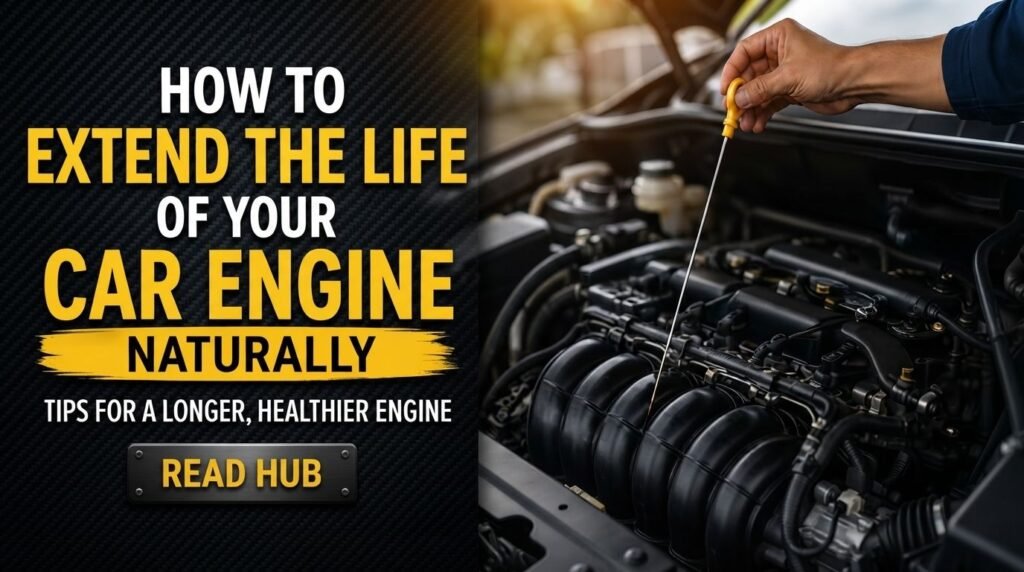
Learning how to extend the life of your car engine doesn’t require expensive modifications or complicated treatments. In most cases, a long-lasting engine comes down to consistent maintenance, sensible driving, and paying attention to small problems before they become expensive repairs.
Your engine works hard every time you drive, and heat, friction, dirty fluids, and neglected components can gradually cause wear. The good news is that many of these problems are preventable.
Whether you drive an older vehicle or a relatively new car, a few good habits can help your engine run smoothly for longer. Here are practical ways to protect your engine naturally and get more reliable service from your vehicle.
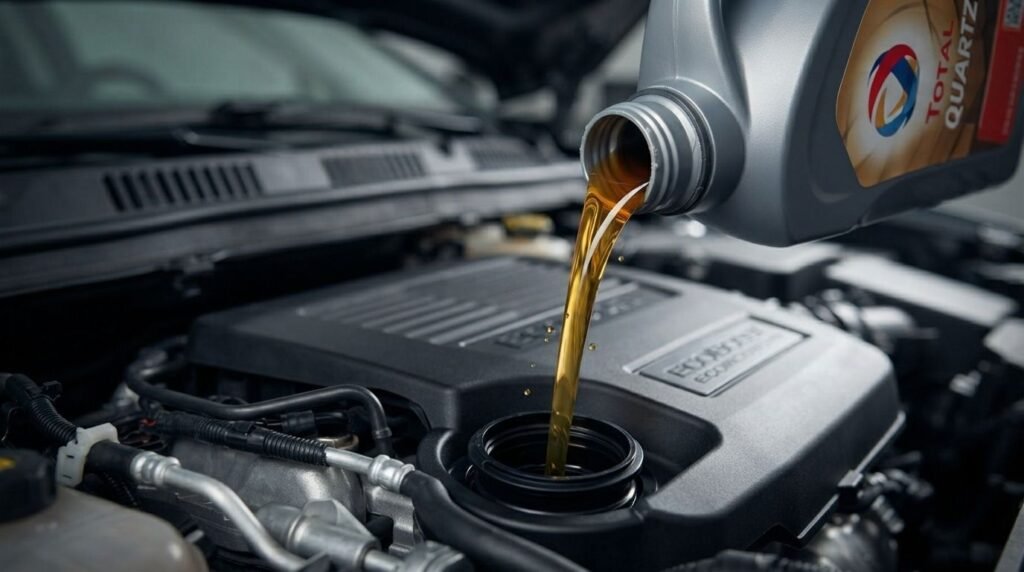
1. Change the Engine Oil on Time
Engine oil lubricates moving parts, reduces friction, and helps manage heat. Old, contaminated, or low oil may not protect the engine as effectively and can contribute to unnecessary wear. Follow the oil-change interval recommended in your owner’s manual and always use the oil specification suitable for your vehicle. Also check the oil level regularly, especially before longer trips.
Practical tip: Check the oil on a level surface and follow the manufacturer’s instructions for getting an accurate reading.
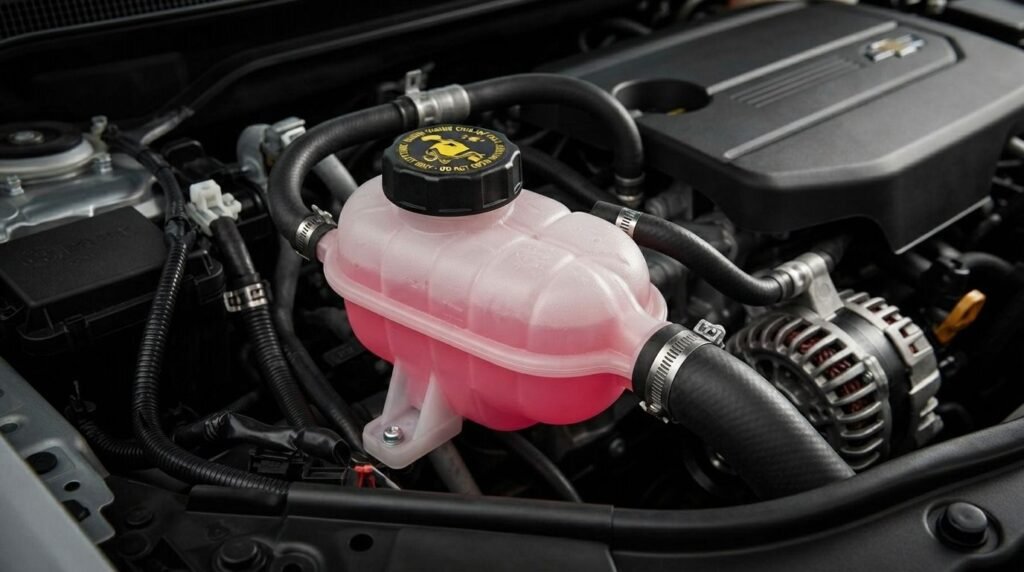
2. Keep the Cooling System Healthy
Excessive heat can seriously affect engine performance and longevity, which makes the cooling system an important part of preventive maintenance. The radiator, coolant, thermostat, hoses, water pump, and cooling fans all work together to keep engine temperature under control. Check the coolant level and look for signs of leaks, and have the vehicle inspected if the temperature gauge repeatedly rises above normal. Safety tip: Never open a hot cooling-system cap because pressurized coolant can cause serious burns.
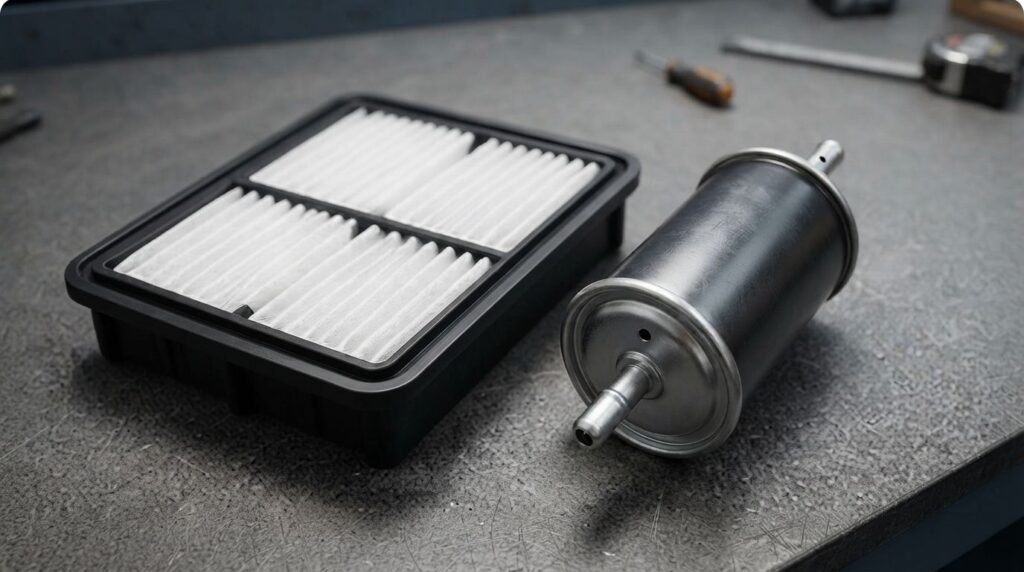
3. Replace Air and Fuel Filters
Your engine needs clean air and a properly functioning fuel system to operate efficiently. A heavily clogged air filter can restrict airflow and may affect engine performance, while some vehicles also require periodic fuel-filter replacement. Because service intervals vary between models, check your manufacturer’s maintenance schedule rather than replacing filters unnecessarily.
Practical tip: If your vehicle develops a performance problem, have it diagnosed instead of automatically assuming a filter is the cause.
4. Drive Smoothly
Your driving habits can affect the amount of stress placed on the engine and drivetrain. Frequent aggressive acceleration, unnecessarily high engine speeds, and harsh driving can increase heat and mechanical load. Smooth acceleration, sensible engine speeds, and using the correct gear or driving mode for the conditions are generally better habits for long-term vehicle care. Practical tip: Smooth throttle inputs cost nothing and can help reduce unnecessary mechanical stress.

5. Don’t Ignore Warning Signs
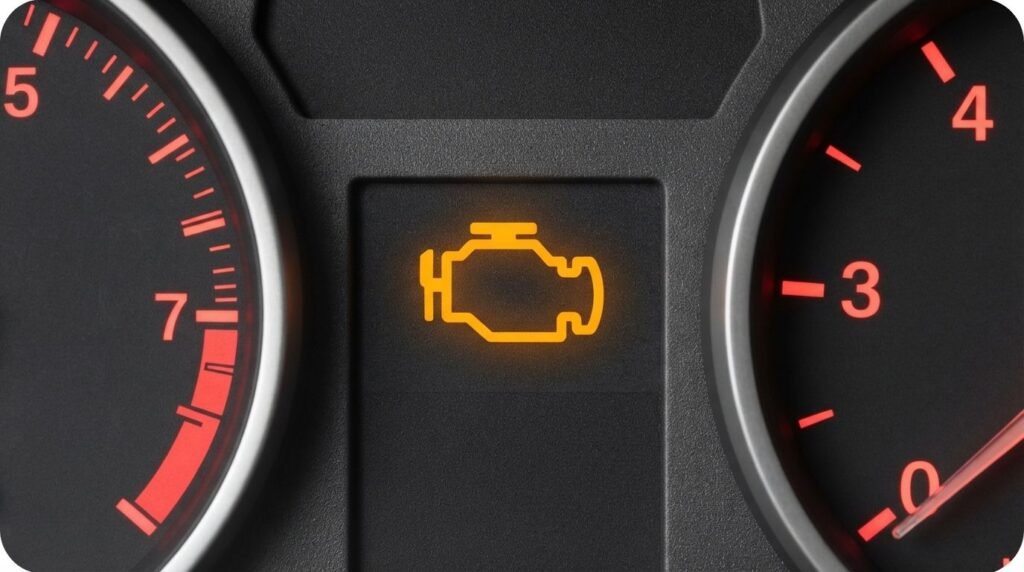
Small vehicle problems can become expensive repairs when they are ignored for too long. Pay attention to warning lights, unusual noises, overheating, fluid leaks, rough running, or sudden changes in performance. A warning light does not always mean major damage has occurred, but it should not simply be ignored or repeatedly reset.
Practical tip: Check your owner’s manual and arrange an appropriate inspection when a warning light or unusual symptom persists.
6. Use the Right Fluids and Parts
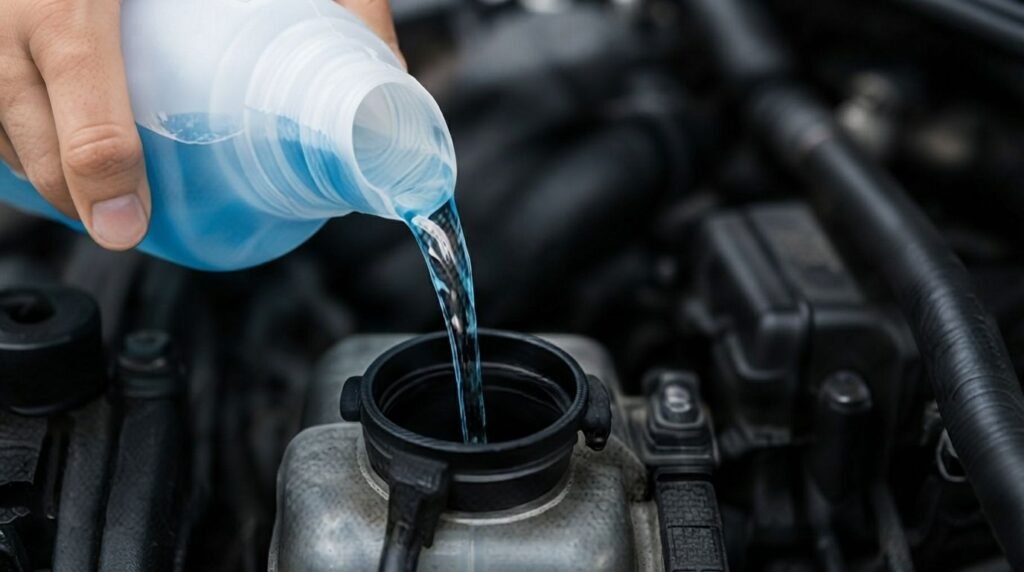
Different engines require specific oils, coolants, filters, and replacement components, so using whatever product is available may not always be appropriate. The wrong fluid or unsuitable part can affect lubrication, cooling, emissions systems, or overall engine performance. Always check your owner’s manual or manufacturer documentation for the correct specifications, particularly when dealing with modern engines that require specific oil standards.
Practical tip: Keep a record of the fluids and parts used during every service.
7. Warm Up Your Engine Properly
Modern vehicles generally don’t need to sit idling for a long time before driving. After starting, allow the engine a brief moment to stabilize and then drive gently rather than immediately demanding heavy performance from a cold engine. Normal driving allows the engine and other components to reach their intended operating temperatures naturally.
Practical tip: Follow the warm-up recommendations provided by your vehicle manufacturer because procedures can vary between vehicles.
8. Follow Preventive Maintenance
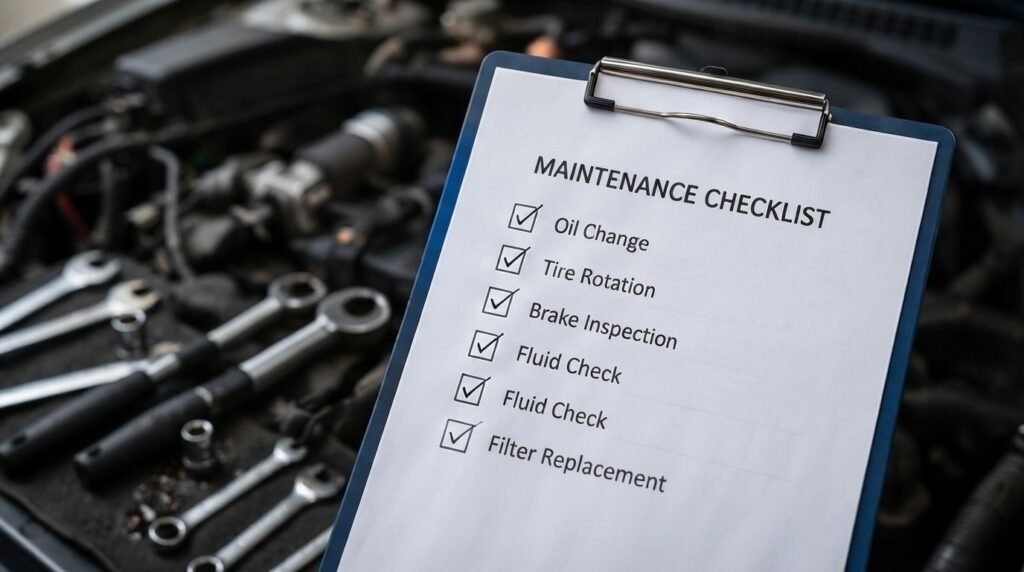
Consistent preventive maintenance is one of the best ways to protect your engine over the long term. Follow the manufacturer’s schedule for oil, filters, spark plugs, belts, coolant, and other required services, and keep records of completed work so you know when important maintenance was performed. If you regularly drive in extreme temperatures, heavy traffic, dusty conditions, or make frequent short trips, check whether your manufacturer recommends different service intervals. At Read Hub, we believe good engine care is about consistent habits rather than expensive shortcuts.
Conclusion
Knowing how to extend the life of your car engine is mainly about prevention and consistency. Regular servicing, correct fluids, timely oil changes, sensible driving, and early attention to problems can help reduce unnecessary engine wear. There is no magic product that guarantees an engine will last forever; instead, taking care of small issues early can help you avoid bigger problems and expensive repairs later. Read Hub recommends following your manufacturer’s maintenance instructions and getting professional help whenever you’re unsure about an engine problem.
If you have any questions or concerns regarding this topic, feel free to contact us through our Contact Us page or reach out via the WhatsApp button available on Read Hub. We’re always happy to help!
FAQ
How long can a car engine last with proper maintenance?
An engine’s lifespan depends on its design, maintenance history, driving conditions, and overall vehicle care. Consistent maintenance can reduce avoidable wear and give an engine a better chance of providing reliable service for many years.
How often should I change my engine oil?
The correct oil-change interval depends on your vehicle, engine, oil specification, and driving conditions. Always follow the maintenance schedule and oil requirements provided by your vehicle manufacturer.
Does smooth driving help an engine last longer?
Sensible driving can reduce unnecessary mechanical stress. Smooth acceleration, avoiding excessive engine speeds, and allowing the vehicle to operate normally are useful habits for responsible engine care.
Is warming up the engine necessary?
Modern cars generally don’t require lengthy idling before driving. A brief stabilization period followed by gentle driving is usually more appropriate, although you should always follow your vehicle manufacturer’s recommendations.
What is most important for engine longevity?
Consistent preventive maintenance is one of the most important factors. Correct fluids, timely oil changes, regular inspections, sensible driving, and addressing problems early can all contribute to better engine longevity.