

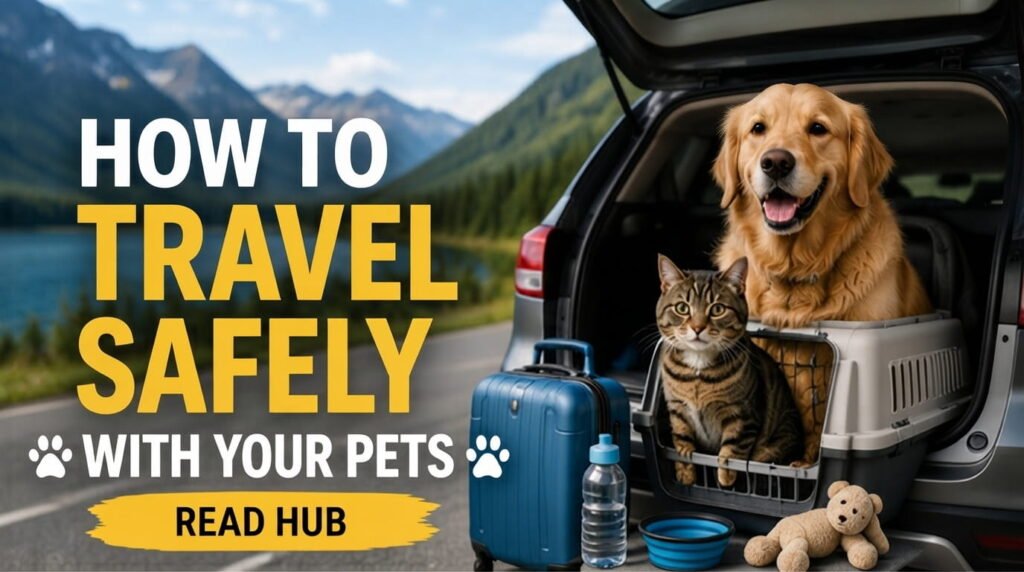
Learning how to travel safely with your pets starts with more than simply putting them in the car or carrying them onto a plane. Pets can find unfamiliar places, long journeys, noise, and changes in routine stressful, so thoughtful preparation makes a big difference. Whether you’re taking a weekend road trip, visiting family, or planning a longer vacation, your pet’s safety and comfort should come first. The good news is that most travel problems can be reduced with a little planning. From choosing the right carrier to packing essential supplies, these practical tips can help make traveling with your pet safer and more enjoyable for everyone.
1. Prepare Your Pet Before the Trip
A safe journey begins before you leave home. If your pet isn’t accustomed to traveling, give them time to become familiar with their carrier, travel crate, or restraint.
For car journeys, start with short trips and gradually increase the distance. This can help your pet become more comfortable with the movement and sounds of a vehicle.
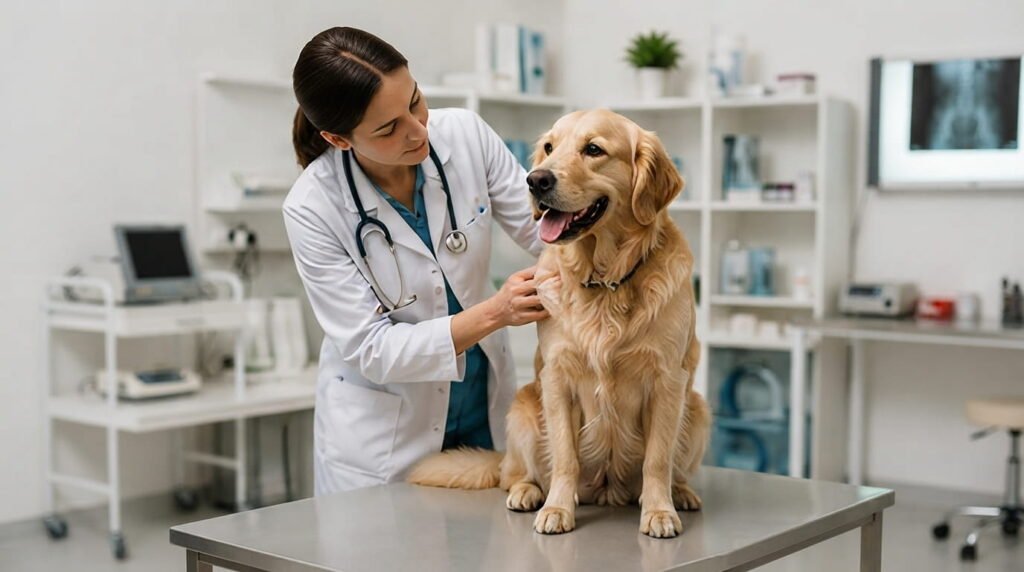
It’s also a good idea to speak with your veterinarian before a long journey, particularly if your pet has special needs, takes regular medication, or has previously experienced problems during travel.
Practical tip: Keep your pet’s normal routine as consistent as possible in the days leading up to the trip. Sudden changes can add unnecessary stress.
2. Use the Right Carrier or Restraint
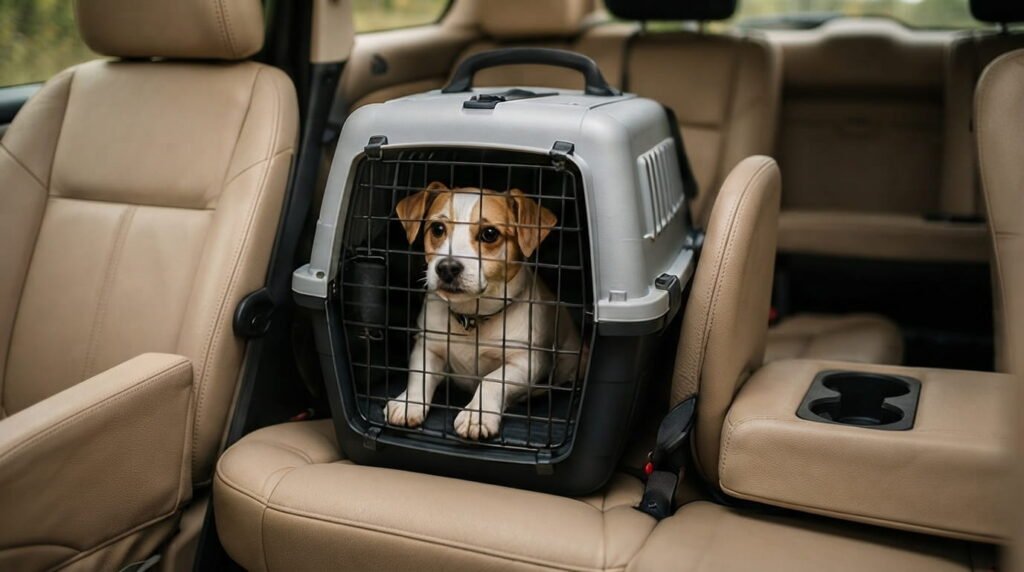
Pets should be safely secured during travel. A loose pet can become distracted, escape, or be injured if the vehicle stops suddenly.
For smaller pets, use a properly sized carrier that allows them to stand, turn around, and lie down comfortably. Dogs may also travel safely with an appropriate vehicle restraint designed for pets.
Never allow a pet to ride on the driver’s lap or move freely around the vehicle.
If you’re flying, check the airline’s current pet-carrier requirements before your trip. Different airlines and routes may have different rules.
Practical tip: Let your pet spend some time inside the carrier at home before traveling so it feels familiar rather than frightening.
3. Pack a Pet Travel Kit
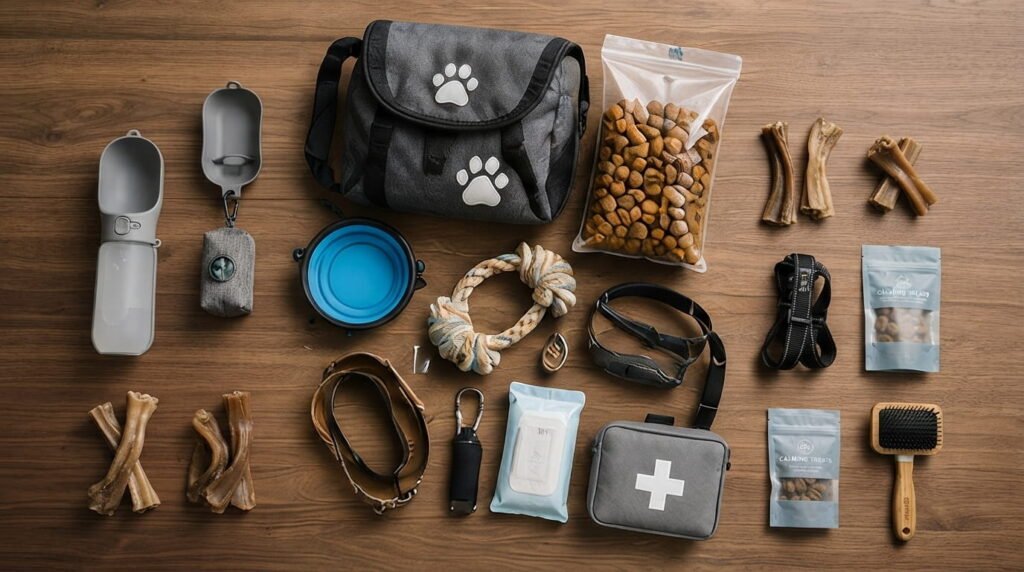
Forgetting everyday pet supplies can turn a simple trip into a stressful situation. Prepare a separate travel bag before leaving.
Depending on your pet and destination, it may include food, water, bowls, medications, waste bags, a leash, collar, carrier supplies, grooming items, and a familiar toy or blanket.
Bring enough regular food for the journey and some extra in case your plans change.
Avoid introducing unfamiliar foods immediately before or during travel. Sticking with your pet’s normal diet can help prevent unnecessary stomach problems.
Practical tip: Keep important medications and essential supplies somewhere easily accessible rather than buried inside luggage.
4. Plan Safe Stops and Breaks
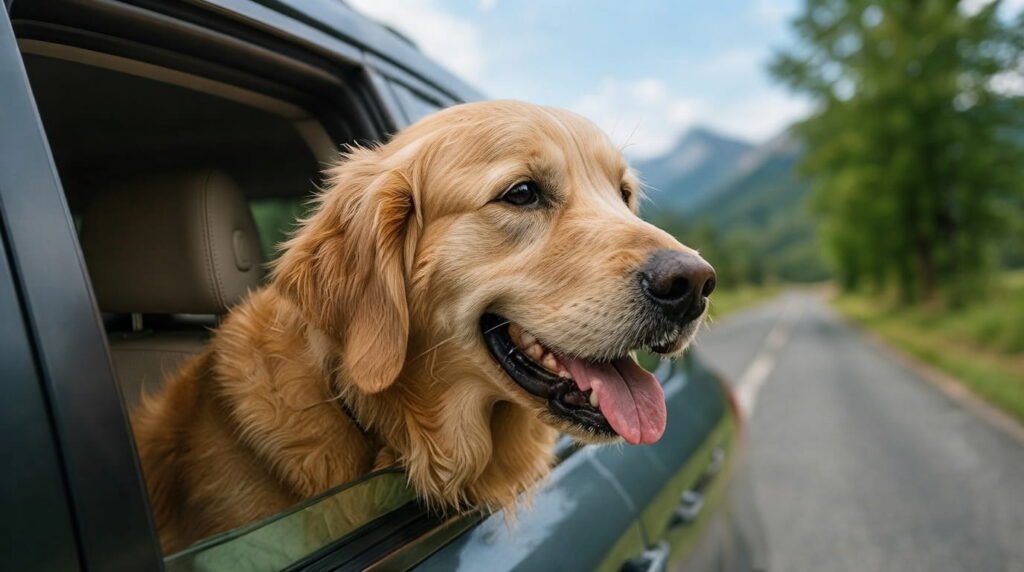
Long journeys can be tiring for pets. If you’re traveling by car, plan regular breaks where your pet can safely stretch, drink water, and use the bathroom.
Always use a leash when taking a dog out of the vehicle, even if your dog normally responds well without one. An unfamiliar location can cause unexpected behavior.
Never leave your pet unattended in a parked vehicle. Temperatures inside vehicles can become dangerous surprisingly quickly, even when the weather doesn’t initially seem extreme.
For cats and other small pets, keep them securely contained during breaks rather than allowing them to wander in unfamiliar surroundings.
Practical tip: Research suitable rest areas before your trip so you aren’t searching for a safe stopping place at the last minute.
5. Choose Pet-Friendly Accommodation
Finding a hotel or rental that allows pets isn’t enough. Check the property’s specific rules before booking.
Some accommodations have restrictions on pet size, number of animals, or areas where pets are permitted. There may also be additional cleaning fees or requirements.
Once you arrive, inspect the room or accommodation for anything your pet could accidentally chew, swallow, knock over, or escape through.
Keep doors and windows secure, especially if your pet is in an unfamiliar environment.
Practical tip: Bring a familiar blanket or toy. A few recognizable items can make a new room feel more comfortable.

6. Keep Identification and Documents Updated
Good identification is especially important when traveling because pets can become disoriented in unfamiliar places.
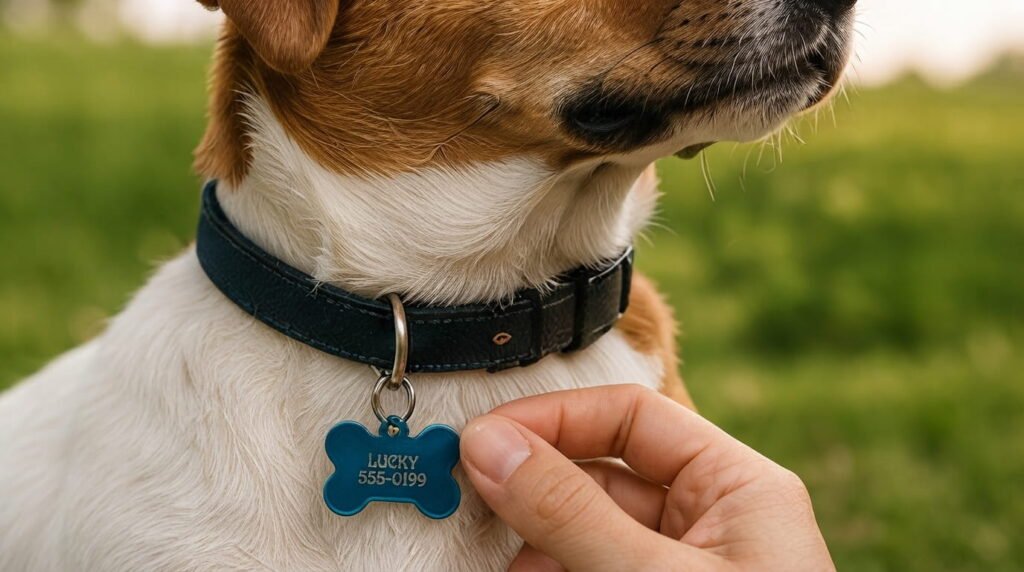
Make sure your pet wears an identification tag with current contact information. If your pet has a microchip, check that the registration details are up to date.
Keep important veterinary records with you as well. Depending on your destination, you may need vaccination records, health certificates, or other documentation.
If you’re traveling internationally, requirements can be more complicated, so check the rules well before departure.
Practical tip: Keep digital copies of important records on your phone while carrying physical copies as a backup.
7. Help Your Pet Stay Calm
Travel can be stressful for animals, especially when they encounter unfamiliar sounds, people, smells, and environments.
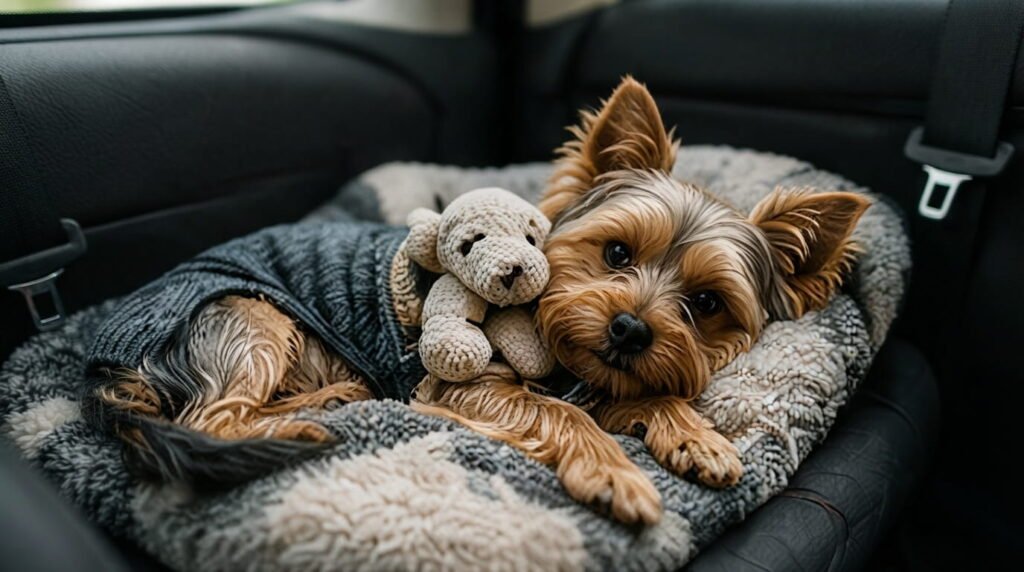
Keep your behavior calm and reassuring. A familiar blanket, toy, or bedding can provide comfort during the journey.
Avoid making major changes to your pet’s routine while traveling whenever possible. Regular feeding, rest, and bathroom schedules can provide a sense of familiarity.
If your pet becomes extremely anxious or has a history of travel-related problems, speak with your veterinarian before the trip. Don’t give your pet medication specifically for travel unless it has been recommended by a qualified veterinary professional.
Practical tip: Familiarity is your friend. Let your pet get comfortable with travel equipment before the actual journey.
8. Protect Your Pet From Temperature Risks
Temperature is one of the most important safety concerns during pet travel.
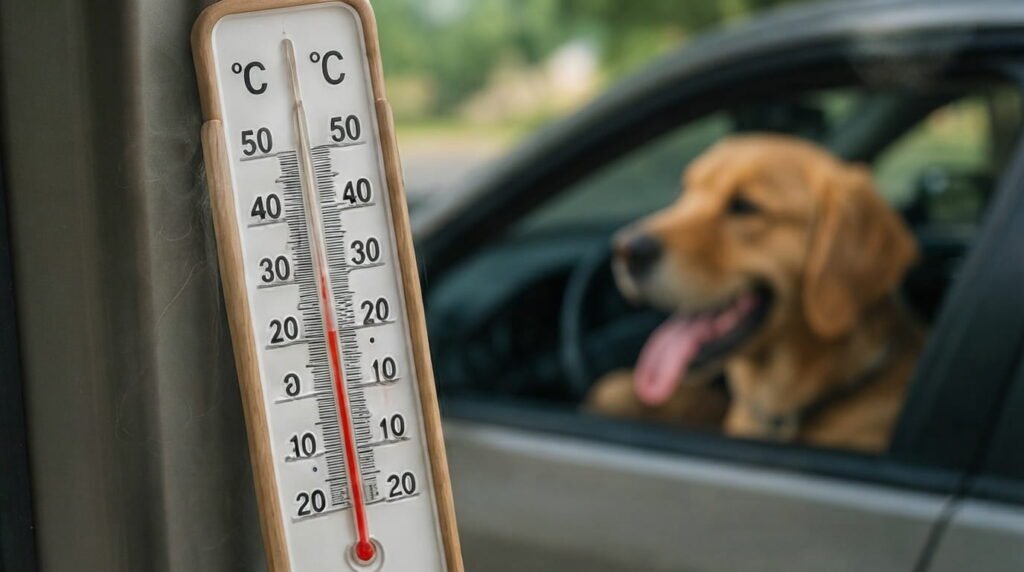
Never assume that cracking open a car window makes it safe to leave a pet inside. Vehicles can heat up quickly, while cold conditions can also create serious risks.
During warm weather, travel during cooler parts of the day when practical, provide access to water, and watch for signs that your pet is struggling with the heat.
In colder conditions, make sure your pet has appropriate protection and isn’t exposed to uncomfortable temperatures for extended periods.
Practical tip: Check the weather forecast for your entire route rather than looking only at the temperature where your journey begins.
9. Be Prepared for Emergencies
Even a well-planned trip can take an unexpected turn. A basic pet emergency kit can help you handle minor problems until professional veterinary care is available.
Keep your veterinarian’s contact information available and research veterinary clinics near your destination. If you’re traveling a long distance, knowing where emergency veterinary services are located along the route can also be useful.
Watch your pet for unusual behavior, breathing difficulties, repeated vomiting, severe weakness, or other signs of illness. When something seems seriously wrong, seek veterinary assistance promptly.
Practical tip: Save important veterinary phone numbers in your phone before leaving home instead of trying to find them during an emergency.

10. Follow Rules for Your Destination
Pet travel rules vary depending on where you’re going and how you’re traveling.
Airlines, hotels, transportation providers, states, countries, and other destinations may have different requirements. These can include carrier rules, vaccinations, health certificates, identification, quarantine requirements, or restrictions on certain animals.
Check official requirements before your trip and give yourself enough time to complete anything that needs to be arranged in advance.
This is particularly important for international travel, where paperwork and health requirements may take time.
Practical tip: Make a travel checklist several weeks before departure and confirm the requirements again shortly before leaving.
Conclusion
Knowing how to travel safely with your pets is mostly about preparation. A secure carrier or restraint, familiar belongings, enough food and water, updated identification, regular breaks, and appropriate accommodation can make the journey much safer.
Most importantly, pay attention to your pet throughout the trip. Their behavior can tell you a lot about how comfortable they are. With sensible planning and a little patience, traveling with pets can become a much smoother experience.
At Read Hub, we believe responsible pet care includes preparing for the situations you may encounter away from home. A little preparation before departure can protect your pet and give you greater peace of mind throughout the journey.
If you have any questions or concerns regarding this topic, feel free to contact us through our Contact Us page or reach out via the WhatsApp button available on Read Hub. We’re always happy to help!
FAQ
What is the safest way to travel with a pet?
The safest method depends on the animal and type of transportation. In a car, pets should be properly secured in a suitable carrier or pet restraint rather than allowed to move freely.
How can I prepare my pet for a long trip?
Introduce your pet gradually to the carrier or vehicle, take shorter practice journeys, maintain their normal routine, and speak with a veterinarian if you have concerns about their health or travel behavior.
Can I leave my pet alone in a parked car?
No. A parked vehicle can become dangerously hot or cold very quickly. Pets should not be left unattended inside a vehicle.
What should I pack when traveling with my pet?
Pack your pet’s normal food, water, bowls, leash, identification, medications, waste bags, veterinary records, carrier or restraint, and a familiar comfort item.
How can I keep my pet calm while traveling?
Familiar items, gradual preparation, regular routines, and a calm environment can help. If your pet has significant travel anxiety, ask your veterinarian for appropriate guidance before the trip.
Do pets need special documents when traveling?
It depends on your destination and method of transportation. Some journeys may require vaccination records, health certificates, identification, or other documentation. Always check the current requirements before departure.