

Healthy, glowing skin is something almost everyone wants, and collagen has become one of the biggest buzzwords in the beauty world. From powders and capsules to drinks and creams, collagen products promise smoother skin, fewer wrinkles, and a youthful appearance. But do they actually work, or is it just clever marketing?
At Read Hub, we believe skincare advice should be backed by science rather than hype. In this guide, you’ll learn what collagen is, how it affects your skin, what current research says about collagen supplements, and the most effective ways to maintain healthy skin over the long term.

What Is Collagen?
Collagen is the most abundant protein in the human body. It acts as the structural framework for your skin, bones, muscles, tendons, and connective tissues. In your skin, collagen provides firmness, strength, and elasticity while helping maintain hydration.
There are more than 25 different types of collagen, but Types I, II, and III are the most common. Type I is especially important for healthy, youthful-looking skin.

Why Does Collagen Decline With Age?
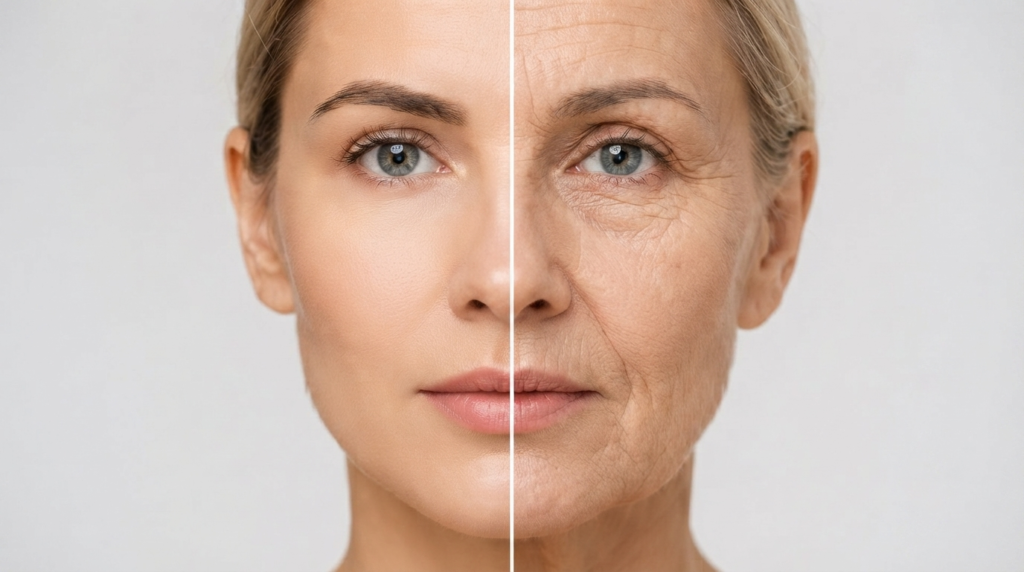
Your body naturally produces collagen throughout your younger years. However, production gradually slows beginning in your mid-to-late twenties.
Several factors accelerate collagen loss:
- Aging
- Sun exposure (UV damage)
- Smoking
- Poor nutrition
- High sugar intake
- Chronic stress
- Lack of sleep
- Excessive alcohol consumption
By the time many people reach their 40s and 50s, collagen levels have dropped significantly, contributing to visible signs of aging.
Do Collagen Supplements Really Work?
This is the question most people want answered.
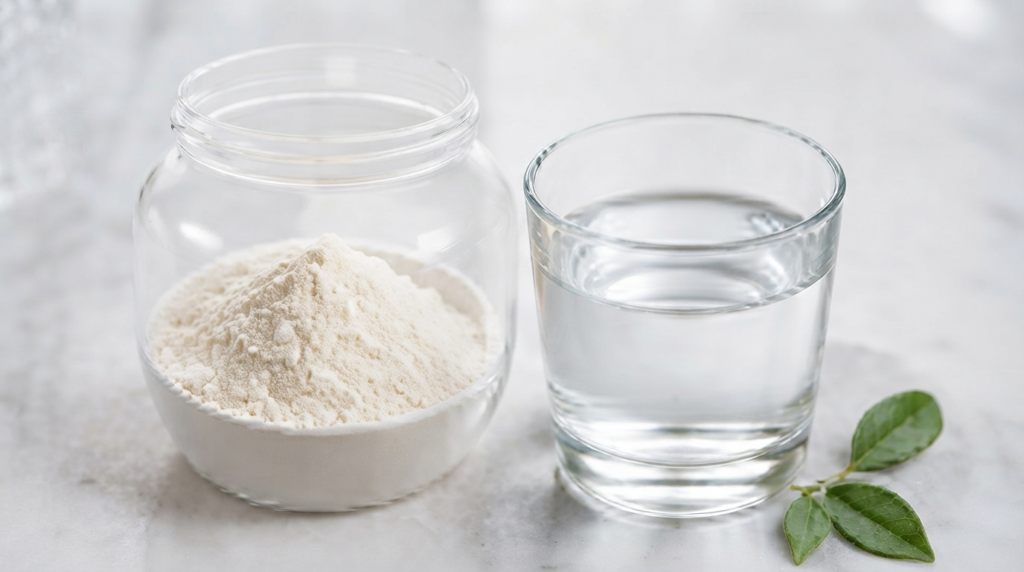
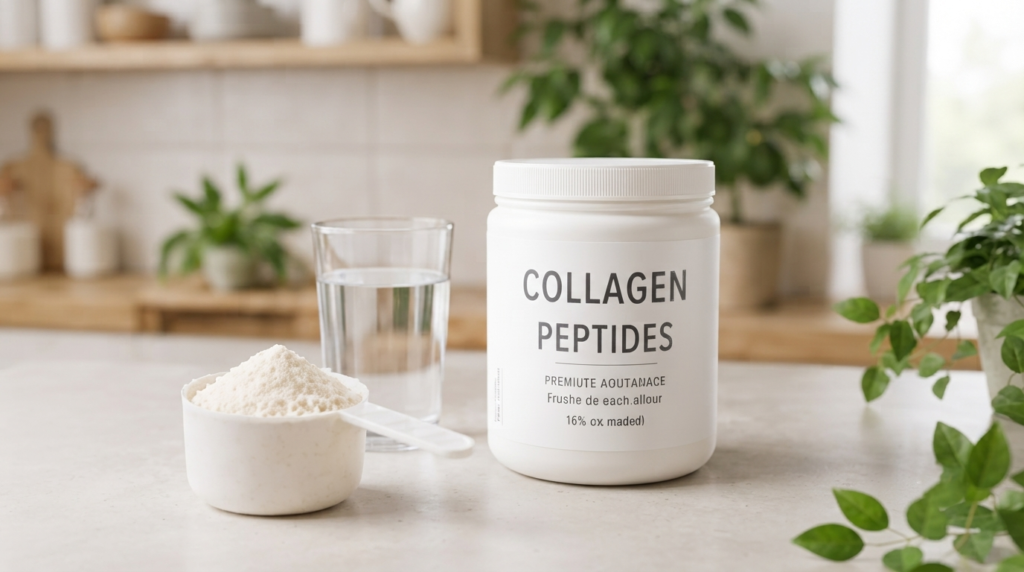
Current scientific evidence suggests that hydrolyzed collagen peptides can improve certain aspects of skin health when taken consistently over several months.
Research has found potential improvements in:
- Skin hydration
- Skin elasticity
- Fine lines
- Wrinkle depth
- Overall skin texture
Here’s how they work.
After digestion, collagen peptides break down into amino acids and small peptides. These may stimulate skin cells called fibroblasts to produce more collagen, elastin, and hyaluronic acid.
However, collagen supplements are not magic solutions.
Results depend on:
- Product quality
- Daily dosage
- Consistency
- Individual health
- Diet
- Lifestyle habits
Many people begin noticing subtle improvements after 8 to 12 weeks of regular use.
Can Collagen Creams Improve Skin?
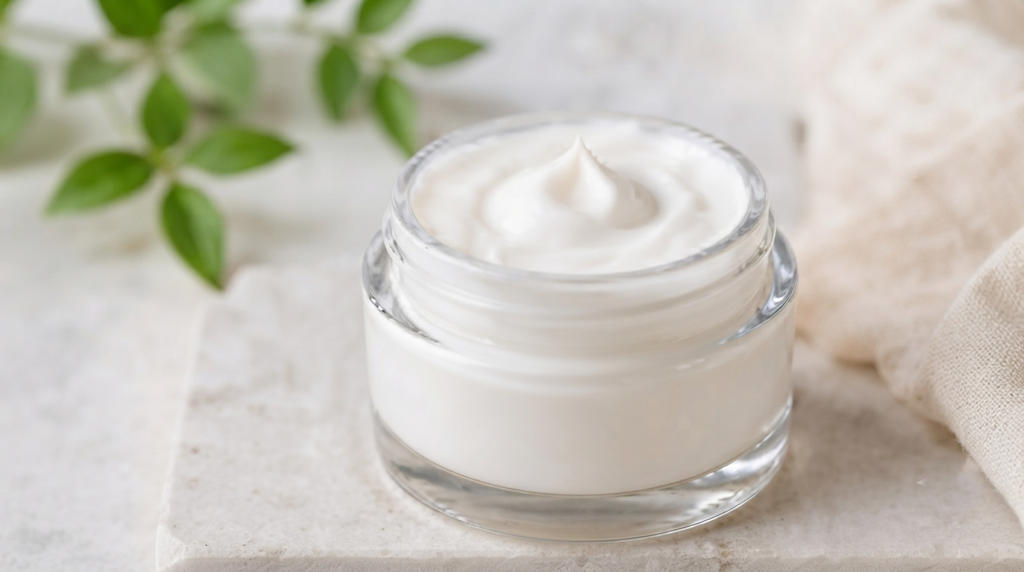
Many skincare products advertise collagen as a key ingredient.
Unfortunately, collagen molecules are generally too large to penetrate deeply into the skin.
Instead, collagen creams mainly:
- Moisturize the skin
- Improve surface smoothness
- Temporarily reduce the appearance of fine lines
They do not significantly increase collagen production within deeper skin layers.
Ingredients with stronger scientific evidence for boosting collagen include:
- Retinoids
- Vitamin C
- Peptides
- Niacinamide
- Sunscreen (to prevent collagen breakdown)
Benefits of Collagen for Skin
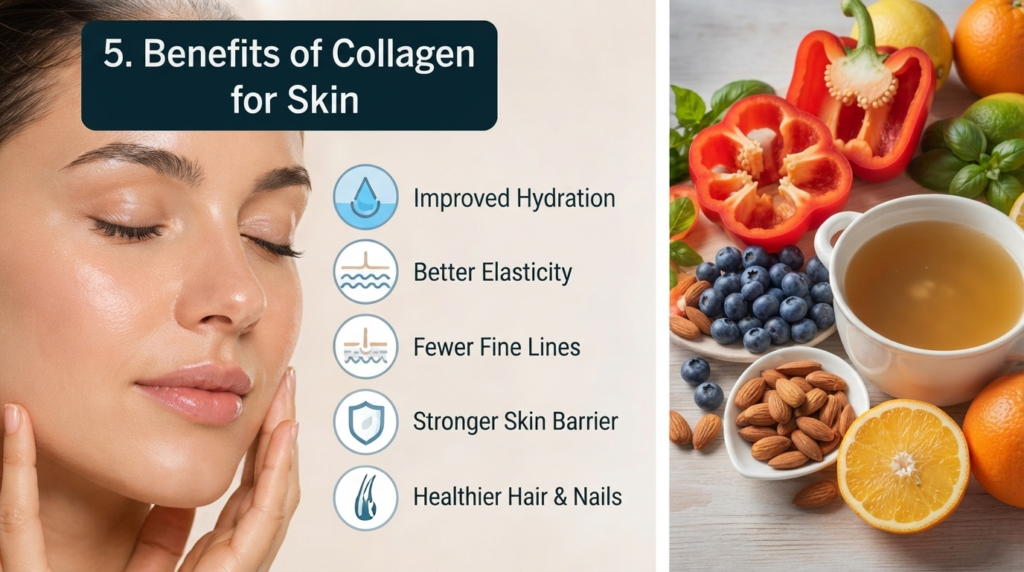
When combined with a healthy lifestyle, collagen supplements may provide several benefits.
Improved Skin Hydration
Better hydration can make skin appear softer, healthier, and more radiant.
Better Elasticity
Healthy collagen supports the skin’s ability to stretch and return to its original shape.
Fewer Fine Lines
Some studies suggest regular collagen supplementation may reduce wrinkle depth over time.
Stronger Skin Barrier
Collagen supports the skin’s protective barrier, helping maintain moisture and defend against environmental damage.
Healthier Hair and Nails
Although research is still developing, many users also report stronger nails and healthier-looking hair.
Factors That Affect Collagen Production
Taking collagen alone won’t overcome poor lifestyle habits.
To maximize collagen production, pay attention to:
- Daily sunscreen use
- Protein-rich foods
- Vitamin C intake
- Regular exercise
- Quality sleep
- Stress management
- Avoiding smoking
- Limiting excess sugar
Healthy habits create the ideal environment for your body to maintain collagen naturally.
Natural Ways to Boost Collagen
You don’t necessarily need expensive supplements to support collagen production.
Consider adding these habits:
Eat More Protein
Protein provides amino acids needed to build collagen.
Good sources include:
- Fish
- Chicken
- Eggs
- Greek yogurt
- Beans
- Lentils
Increase Vitamin C Intake
Vitamin C is essential for collagen synthesis.
Excellent sources include:
- Oranges
- Strawberries
- Kiwi
- Bell peppers
- Broccoli
Include Zinc and Copper
These minerals help activate enzymes involved in collagen production.
Protect Your Skin From UV Rays
Daily sunscreen remains one of the most effective anti-aging strategies.
Stay Hydrated
Proper hydration supports healthy, resilient skin.

Are There Any Risks or Side Effects?
Collagen supplements are generally considered safe for most healthy adults.
Occasionally, some people may experience:
- Mild digestive discomfort
- Bloating
- Feeling overly full
- Allergic reactions (especially if derived from fish, shellfish, or eggs)
Always check ingredient labels carefully if you have food allergies or medical conditions.

Who Should Consider Taking Collagen?
Collagen supplements may benefit people who:
- Notice early signs of skin aging
- Want additional skin hydration
- Have a low dietary protein intake
- Wish to support overall skin health alongside a balanced lifestyle
However, they should never replace a nutritious diet, sun protection, or evidence-based skincare.

Final Verdict
So, does collagen improve your skin?
The evidence suggests yes—but with realistic expectations.
Collagen supplements can support healthier, more hydrated, and more elastic skin when taken consistently, especially alongside proper nutrition and skincare. They won’t erase wrinkles overnight or reverse aging completely, but they may become a valuable part of a long-term skin health routine.
The biggest improvements often come from combining collagen supplementation with sunscreen, a balanced diet, quality sleep, and proven skincare ingredients like vitamin C and retinoids.
At Read Hub, we believe informed decisions lead to better results. Understanding the science behind collagen helps you invest in products that truly support your skin instead of chasing unrealistic marketing promises.
If you have any questions or concerns regarding this topic, feel free to contact us through our Contact Us page or reach out via the WhatsApp button available on Read Hub. We’re always happy to help!
FAQ
1. Does collagen actually reduce wrinkles?
Collagen supplements may help reduce the appearance of fine lines and wrinkles over time, but results are gradual and vary from person to person.
2. How long does collagen take to improve skin?
Most studies report noticeable improvements after 8 to 12 weeks of consistent daily use.
3. Which collagen is best for skin?
Hydrolyzed collagen peptides, particularly Type I collagen, are the most commonly recommended for supporting skin health.
4. Can you get collagen naturally from food?
Yes. Bone broth, fish, chicken skin, eggs, and protein-rich foods provide nutrients that support collagen production.